
North Carolina Republicans Seek to Expand Judicial Power, Raising Concerns Over Partisan Influence
AI-Summarized Article
ClearWire's AI summarized this story from Slate Magazine into a neutral, comprehensive article.
Key Points
- North Carolina Republicans propose legislation (HB 655) to expand the Chief Justice's power over the state's judicial branch.
- The bill would grant the Chief Justice authority over the judicial budget, judge assignments, and creation of new court divisions.
- Critics argue this move could politicize the judiciary, undermine independence, and consolidate excessive power in one individual.
- The legislative effort is part of a broader pattern of Republican attempts to reshape North Carolina's judicial system.
- Supporters claim the changes would improve efficiency and accountability within the court system.
- Opponents, including former Chief Justices, warn of dangers to judicial impartiality and the separation of powers.
Overview
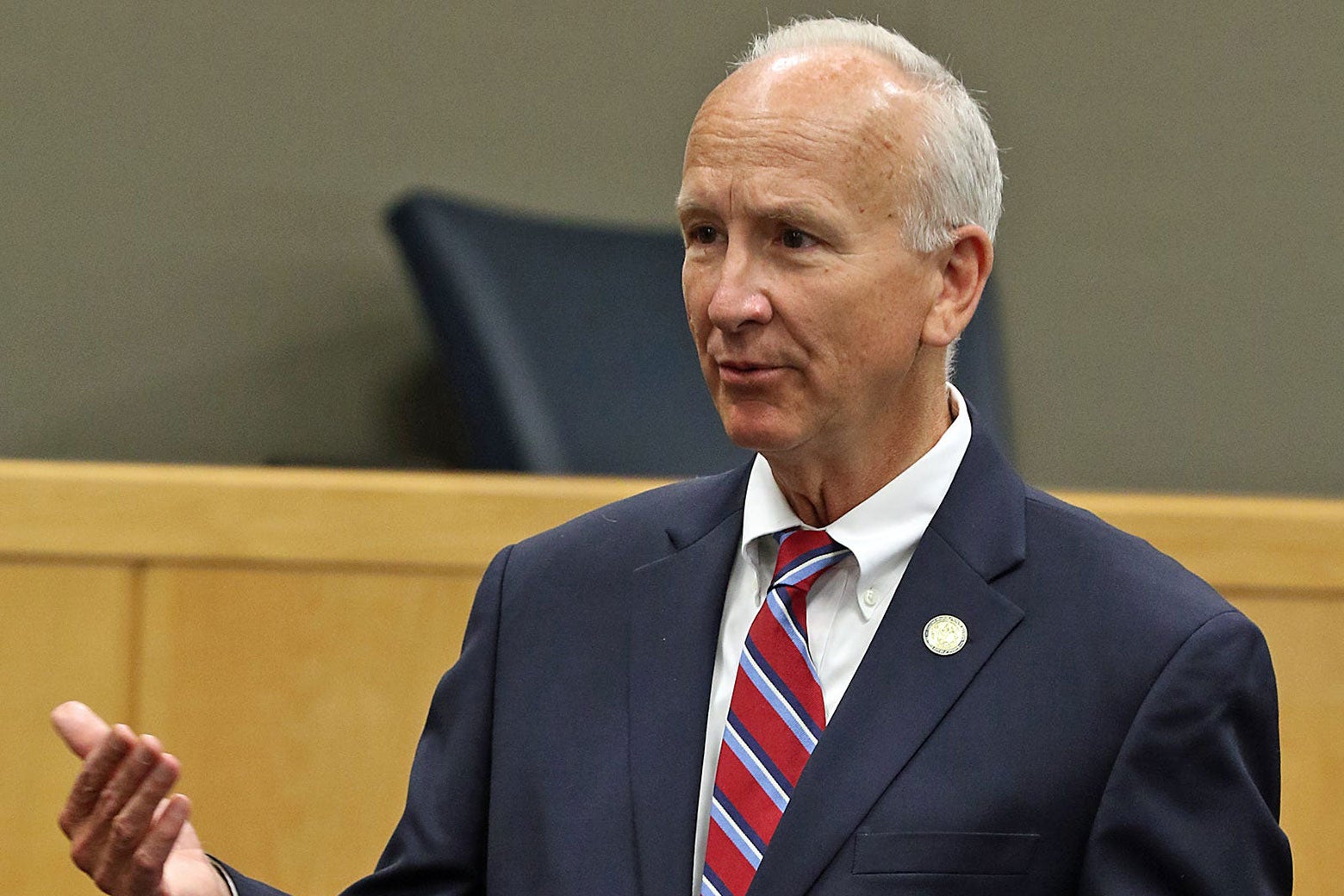
North Carolina Republicans are pursuing legislation that would significantly expand the power of the state's Chief Justice, currently Paul Newby. The proposed changes would grant the Chief Justice authority over the judicial branch's budget, the assignment of judges to cases, and the creation of new judicial divisions. Critics argue these measures would consolidate immense power in a single, politically appointed individual, potentially undermining judicial independence and fairness in the state's legal system. The legislative efforts follow a pattern of Republican attempts to reshape the judiciary in North Carolina over recent years.
The proposed legislation, House Bill 655, specifically targets the administrative functions of the court system. It seeks to centralize control over judicial operations, including personnel decisions and the allocation of resources, under the Chief Justice's direct purview. This move is seen by opponents as a strategic effort to exert greater political control over the judiciary, particularly given Chief Justice Newby's partisan background and past actions. The implications could affect a wide range of legal proceedings, from election challenges to environmental regulations.
Background & Context
For several years, North Carolina Republicans have engaged in efforts to restructure the state's judicial system, often following electoral setbacks or unfavorable court rulings. These past attempts have included altering the composition of appellate courts, changing how judicial vacancies are filled, and even proposing partisan judicial elections. The current push to empower the Chief Justice is viewed as the latest iteration of these broader efforts to influence the judiciary's direction and outcomes, particularly after Republicans gained a supermajority in the legislature.
The context also includes Chief Justice Newby's history, which critics point to as evidence of his partisan leanings. His past actions and public statements have been cited by opponents as reasons for concern regarding the potential misuse of expanded powers. The legislative proposal is therefore not occurring in a vacuum but within a history of political maneuvering around the state's courts, intensifying the debate over judicial impartiality and the separation of powers.
Key Developments
The central piece of legislation is House Bill 655, which outlines the specific powers to be transferred to the Chief Justice. These include control over the administrative office of the courts, which manages the judicial budget and personnel, and the ability to assign judges to specific cases or create specialized courts. Another significant aspect is the potential for the Chief Justice to establish new judicial divisions, which could be used to concentrate certain types of cases under specific judges.
Opponents, including former Chief Justices and legal ethics experts, have voiced strong objections to the bill, warning of the dangers of politicizing the judiciary. They argue that concentrating such power in one individual could lead to a system where judicial assignments and resource allocation are influenced by political considerations rather than legal principles. The debate has highlighted the tension between legislative authority and judicial independence, with critics emphasizing the importance of a neutral and impartial court system for democratic governance.
Perspectives
Supporters of the legislation argue that centralizing power under the Chief Justice would improve efficiency and accountability within the judicial branch. They contend that a single, strong leader is necessary to manage the complex operations of the state's courts effectively. This perspective often frames the changes as administrative reforms aimed at streamlining processes and ensuring consistent application of judicial policy across the state.
Conversely, critics, including Democratic lawmakers and some legal scholars, view the bill as a direct assault on judicial independence and the separation of powers. They express concerns that the expanded authority could be used to stack courts with politically favorable judges or to influence the outcomes of sensitive cases. These opponents emphasize that a robust democracy requires a judiciary free from political interference, and that the proposed changes risk undermining public trust in the fairness of the legal system.
What to Watch
The legislative process for House Bill 655 will be a key area to monitor, as it moves through the North Carolina General Assembly. Public debate and potential amendments to the bill will indicate the extent of political will behind these changes and any compromises that may emerge. Legal challenges are also a possibility if the bill passes, as opponents may argue that it violates constitutional principles regarding the separation of powers or judicial independence. The actions of Chief Justice Newby, should the bill become law, will also be closely scrutinized for any perceived partisan applications of his new authority.
Found this story useful? Share it:
Sources (1)
Slate Magazine
"North Carolina Republicans Are Trying to Give One of the Country’s Most Partisan Judges a Frightening New Power"
April 10, 2026