
Irish Fuel Protests Continue for Fourth Day Amid Shortage Concerns and Government Intervention
AI-Summarized Article
ClearWire's AI summarized this story from NBC News into a neutral, comprehensive article.
Key Points
- Irish fuel protests have continued for a fourth day, leading to widespread road blockages and concerns over fuel shortages.
- Demonstrators, primarily from the haulage and farming sectors, are protesting high fuel prices impacting their livelihoods.
- The protests have disrupted emergency services and access to fuel depots, prompting government intervention.
- The government is engaging with protest organizers and working to clear roads to ensure essential supply chains.
- Concerns are rising about the economic impact of prolonged disruptions and potential shortages of goods.
- Negotiations are ongoing, with the government exploring options to address the protesters' grievances while maintaining public order.
Overview
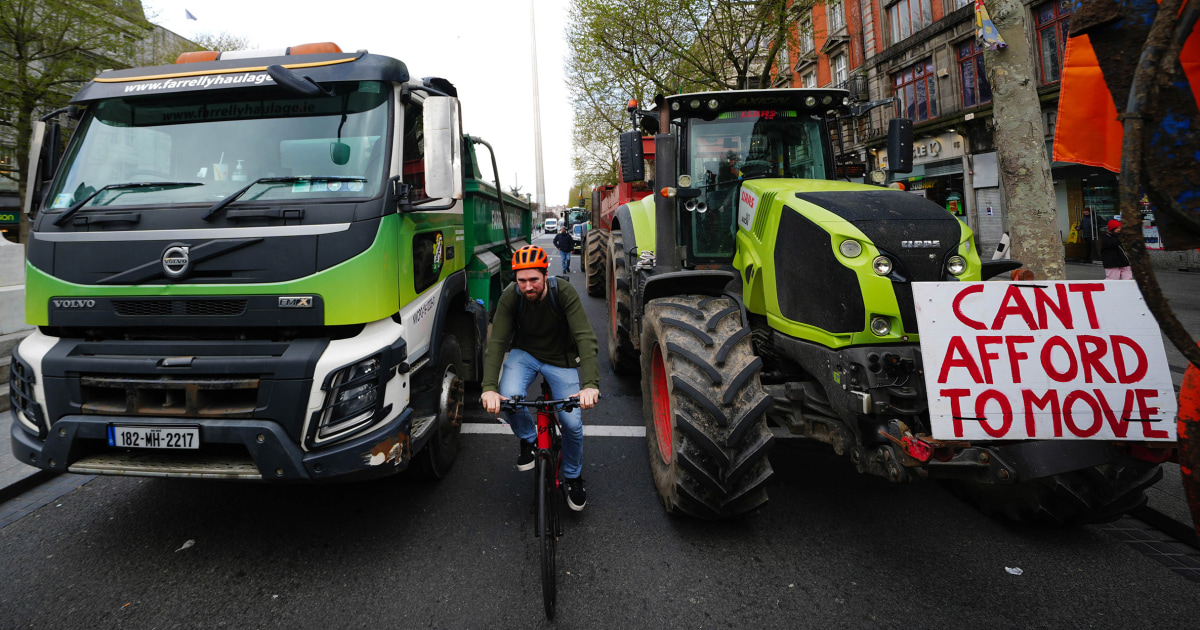
Protests over high fuel prices in Ireland have extended into their fourth day, causing significant disruptions across the country. Demonstrators, primarily from the haulage sector and agricultural community, have blocked key roads and access points to fuel depots and refineries, leading to growing concerns about potential fuel shortages. The prolonged action is also impacting emergency services and the general public, prompting the Irish government to seek resolutions to mitigate the economic and social fallout.
The demonstrations, which began earlier in the week, have seen convoys of trucks and agricultural vehicles converge on major urban centers and strategic infrastructure. These actions are a direct response to the escalating cost of fuel, which protesters argue is making their businesses unsustainable and disproportionately affecting rural communities. The government is under increasing pressure to address the grievances while ensuring essential services and supply chains remain operational.
Background & Context
Ireland, like many other European nations, has experienced a sharp increase in fuel prices, exacerbated by global market fluctuations and geopolitical events. This surge has placed considerable strain on industries heavily reliant on transportation, such as haulage, farming, and logistics. Previous, smaller-scale protests have occurred, but the current wave represents a more coordinated and impactful effort to pressure the government into providing relief.
The economic impact of rising fuel costs is a significant concern for both businesses and households. Haulage companies face increased operational expenses, which are often passed on to consumers, contributing to broader inflationary pressures. Farmers also bear the brunt of higher fuel prices for machinery and transport, affecting food production costs. The protests highlight a broader economic vulnerability to energy price volatility.
Key Developments
As the protests entered their fourth day, the Irish government initiated discussions with protest organizers and relevant stakeholders to de-escalate the situation. Efforts are underway to clear blocked roads and restore access to critical fuel infrastructure, including the country's only oil refinery. Authorities have warned that continued blockades could severely impact the delivery of essential goods and services, including medical supplies and food.
Emergency services, including ambulances and fire brigades, have reported delays and difficulties navigating the blocked routes, raising public safety concerns. The government has emphasized the need to balance the right to protest with the imperative to maintain public order and essential services. Potential measures being considered include targeted fuel duty reductions or subsidies for affected industries, though no concrete policy changes have been announced yet.
Perspectives
Protest organizers maintain that their actions are a last resort to draw attention to the unsustainable financial burden placed upon them by high fuel prices. They argue that government intervention is essential to prevent widespread business failures and protect livelihoods. The public response has been mixed, with some expressing sympathy for the protesters' plight while others voice frustration over the disruptions to daily life and the potential for shortages.
The government's position emphasizes the complexities of global energy markets and the limitations of domestic policy in controlling international prices. However, it acknowledges the severe impact on specific sectors and is exploring options to alleviate the pressure. Industry bodies have called for swift resolution, highlighting the economic damage caused by supply chain disruptions and the uncertainty facing businesses.
What to Watch
Further negotiations between the government and protest representatives are expected in the coming days, which will be crucial in determining the duration and outcome of the demonstrations. The effectiveness of government measures to clear blockades and ensure fuel supply will also be closely monitored. The potential for broader economic impacts and the government's long-term strategy for addressing energy costs remain key areas of focus.
Found this story useful? Share it:
Sources (1)
NBC News
"Irish fuel protests enter fourth day as government seeks to head off shortages, open blocked roads"
April 10, 2026