
Actor Tal Anderson Discusses Autism Representation in HBO's 'The Pitt' and the Pursuit of Autonomy
AI-Summarized Article
ClearWire's AI summarized this story from CinemaBlend into a neutral, comprehensive article.
Key Points
- Actor Tal Anderson discussed HBO's 'The Pitt' and its realistic portrayal of autism, emphasizing the pursuit of autonomy.
- Anderson, who is autistic, highlighted the show's commitment to nuanced representation beyond common stereotypes.
- The series' second season specifically addresses themes of independence and self-determination for autistic characters.
- Anderson stated that 'the fight for autonomy has been going on forever,' connecting the show's themes to a historical struggle.
- The show aims to contribute to a broader understanding of autistic experiences and challenge societal barriers.
- Authentic representation in media, informed by lived experience, is crucial for accurate portrayals of disability.
Overview
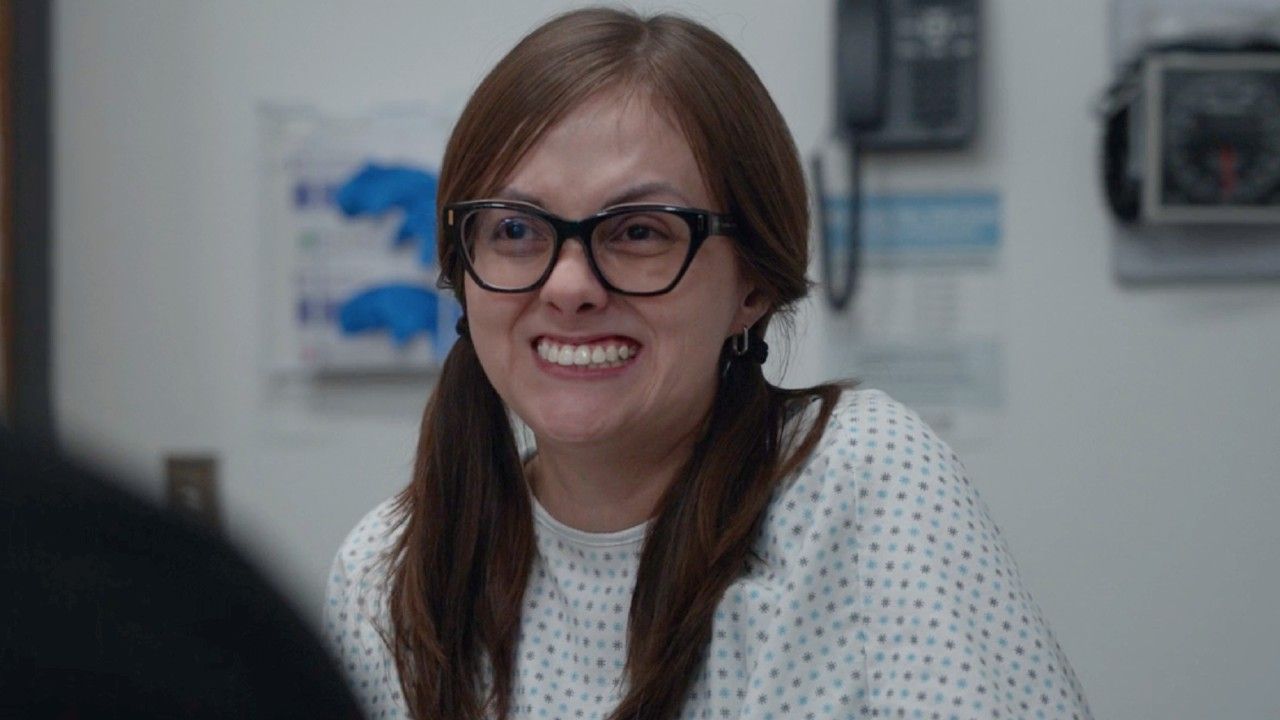
Actor Tal Anderson, known for his role in HBO's series "The Pitt," recently discussed the show's portrayal of autism and the broader societal struggle for autistic autonomy. Anderson, who is autistic himself, provides insight into how the series aims for realistic representation, moving beyond common stereotypes. His character's narrative arc in the show's second season specifically addresses themes of independence and self-determination for individuals on the autism spectrum.
Anderson's comments highlight the show's commitment to depicting the nuances of autistic experiences, emphasizing that the fight for autonomy is a long-standing and ongoing endeavor. This discussion underscores the importance of authentic representation in media, particularly when addressing complex social issues like disability rights and personal independence.
Background & Context
"The Pitt" has garnered attention for its realistic approach to various societal issues, including its depiction of autism. The series aims to offer a more grounded and less stereotypical view of autistic individuals, a departure from how autism has historically been portrayed in mainstream media. This focus on authenticity aligns with a growing demand from disability advocates for more accurate and respectful representation in entertainment.
Anderson's personal connection to the subject matter as an autistic actor brings an additional layer of credibility and depth to the show's narrative. His involvement ensures that the portrayal is informed by lived experience, contributing to a more nuanced understanding for the audience. The show's exploration of autonomy reflects a significant conversation within the autistic community about self-advocacy and the right to make independent life choices.
Key Developments
During the interview, Anderson elaborated on the specific storylines in "The Pitt" that address the pursuit of autonomy for autistic characters. He noted that the second season delves deeper into challenges and triumphs associated with gaining independence, such as navigating social expectations, employment, and personal relationships. These narratives are crafted to resonate with the real-world experiences of many autistic individuals.
Anderson emphasized that the concept of "the fight for autonomy has been going on forever," indicating that the show's themes are not new but rather a continuation of a historical struggle for recognition and self-determination. His insights suggest that "The Pitt" seeks to contribute to this ongoing dialogue by presenting relatable scenarios that challenge preconceived notions about autism. The series endeavors to show autistic characters as complex individuals capable of making their own decisions and leading fulfilling lives.
Perspectives
Tal Anderson's perspective as an autistic actor directly involved in the show's representation offers a critical viewpoint on the importance of authentic storytelling. He advocates for media that moves beyond simplistic or tokenistic portrayals, instead favoring narratives that explore the full spectrum of autistic experiences. His statements implicitly critique past media representations that may have inadvertently perpetuated stereotypes or limited understanding of autism.
His commentary suggests that "The Pitt" is not just entertainment but also a platform for education and advocacy, aiming to shift public perception. By focusing on autonomy, the show aligns with movements advocating for greater inclusion and self-determination for individuals with disabilities. This approach seeks to empower autistic voices and challenge societal barriers that impede independence.
What to Watch
Viewers interested in authentic portrayals of autism and discussions around autonomy can continue to follow "The Pitt" on HBO Max. Future seasons or related content may further explore these themes, potentially offering more insights into the challenges and successes of autistic individuals seeking independence. The ongoing dialogue initiated by actors like Tal Anderson is expected to influence future media representations of disability. The series' continued focus on realistic narratives will be a key aspect to observe for its impact on public understanding.
Found this story useful? Share it:
Sources (1)
CinemaBlend
"I Spoke With The Pitt's Tal Anderson About How Autism Is Represented On The Show And How 'The Fight For Autonomy Has Been Going On Forever'"
April 11, 2026