
Chris Columbus Recalls Concerns Over Harry Potter and the Sorcerer's Stone Rating
AI-Summarized Article
ClearWire's AI summarized this story from CinemaBlend into a neutral, comprehensive article.
Key Points
- Director Chris Columbus expected "Harry Potter and the Sorcerer's Stone" to receive a PG-13 rating.
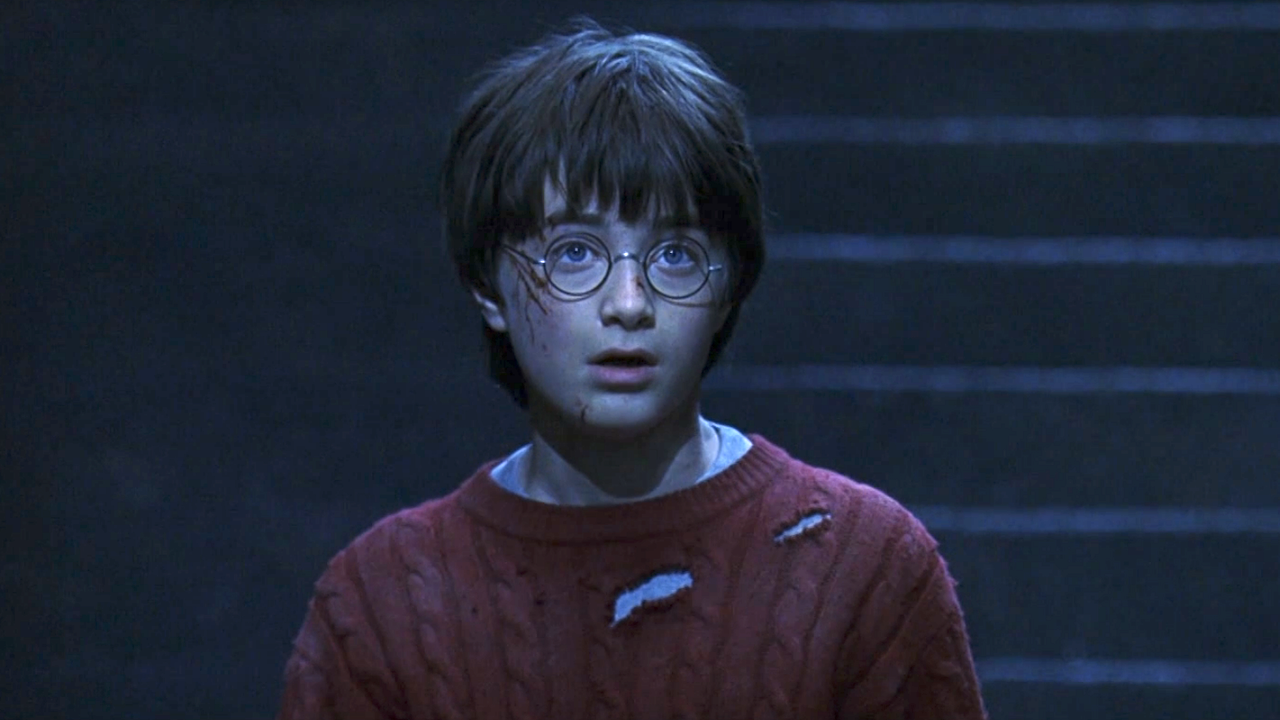
- Columbus's concern centered on the climactic scene revealing Voldemort's face on Professor Quirrell's head.
- Despite the director's apprehension, the Motion Picture Association (MPA) ultimately assigned the film a PG rating.
- The PG rating allowed the film to reach a broader family audience, contributing to its widespread success.
- This decision highlights the subjective nature of film classification and its impact on audience accessibility.
Overview
Filmmaker Chris Columbus, director of "Harry Potter and the Sorcerer's Stone," initially believed a particular scene involving the character Professor Quirrell would result in a PG-13 rating for the film. This concern stemmed from the visual depiction of Quirrell's face on the back of Professor Dumbledore's head, which Columbus found potentially disturbing for younger audiences. Despite his apprehension, the Motion Picture Association (MPA) ultimately assigned the film a PG rating, allowing it to reach a broader family audience upon its release.
The scene in question occurs during the film's climax, where Harry Potter confronts Professor Quirrell and Lord Voldemort. The reveal of Voldemort's face on Quirrell's head was a pivotal moment designed to be unsettling. Columbus's expectation of a PG-13 rating highlights the careful consideration given to the film's tone and its intended audience, balancing the source material's darker elements with a family-friendly cinematic experience.
Background & Context
The "Harry Potter" film series, based on J.K. Rowling's books, is widely recognized for its family-friendly appeal, even as later installments explored more mature themes. The initial films, including "Sorcerer's Stone," were crucial in establishing the franchise's tone and audience reception. The Motion Picture Association's rating system plays a significant role in guiding parents and distributors, with a PG rating indicating parental guidance is suggested but not strongly cautioned, contrasting with the more restrictive PG-13.
Columbus's concern reflects a common challenge in adapting popular children's literature that contains frightening or intense moments. Directors often navigate the balance between faithfulness to the source material and ensuring the film's accessibility to its target demographic. The decision by the MPA to issue a PG rating for a scene perceived as intense by the director underscores the subjective nature of film classification and its impact on a film's commercial viability.
Key Developments
During the production of "Harry Potter and the Sorcerer's Stone," Chris Columbus specifically focused on the scene where Harry discovers Voldemort's face on the back of Quirrell's head. He anticipated that this visual, which he considered genuinely frightening, would push the film into the PG-13 category. Columbus reportedly discussed this expectation with the film's producers and studio executives, preparing for a potentially higher rating.
However, upon submission to the MPA, the film received a PG rating. This outcome surprised Columbus, who had mentally prepared for a more restrictive classification. The MPA's decision allowed the film to be marketed more broadly to families, contributing to its immense box office success and solidifying its status as a beloved family fantasy. This rating also set a precedent for the early films in the series, which generally maintained a PG classification.
Perspectives
The PG rating for "Harry Potter and the Sorcerer's Stone" ultimately aligned with the broader perception of the franchise as suitable for a wide family audience. While Columbus initially viewed the Quirrell scene as a potential barrier to a PG rating, the MPA's assessment indicated that the scene, within the context of the entire film, did not warrant a PG-13 classification. This classification allowed the film to be widely accessible to children and their parents, which was crucial for building the foundational fanbase for the subsequent films.
The film's success with a PG rating demonstrated that it could effectively convey moments of peril and suspense without crossing into content deemed inappropriate for younger viewers. This outcome highlights the nuanced interpretation of film content by rating boards, where individual scenes are weighed against the overall narrative and thematic elements. The enduring popularity of the film suggests that the balance struck was appropriate for its target demographic.
What to Watch
Future discussions surrounding film ratings for adaptations of popular literature will continue to be relevant, particularly as source materials often contain elements that push the boundaries of family-friendly content. The impact of rating decisions on box office performance and audience accessibility remains a key consideration for filmmakers and studios as they navigate the complex landscape of film production and distribution.
Found this story useful? Share it:
Sources (1)
CinemaBlend
"The Harry Potter Scene That Chris Columbus Thought Would Get Sorcerer's Stone A PG-13 Rating"
April 11, 2026