
The Matrix 5 Offers Opportunity to Resolve Long-Standing Debate on Franchise's Most Powerful Character
AI-Summarized Article
ClearWire's AI summarized this story from ComicBook.com into a neutral, comprehensive article.
Key Points
- The Matrix 5 has been officially announced, with Drew Goddard set to write and direct.
- The new film has the potential to definitively resolve the long-standing fan debate about the most powerful character in the franchise.
- Key contenders for the 'most powerful' title include Neo, Agent Smith, and other advanced programs or entities.
- The ambiguity of the original trilogy's ending fueled ongoing speculation regarding character power levels.
- Drew Goddard's new directorial vision could introduce narrative elements that clarify the power hierarchy.
- Resolving this debate could significantly impact the understanding of the franchise's lore and philosophical themes.
Overview
The Matrix 5 has been officially announced, though specific plot details remain largely undisclosed. This upcoming installment presents a unique opportunity to definitively address a persistent fan debate concerning the most powerful character within the franchise. For years, viewers have speculated and argued over whether Neo, Agent Smith, or other entities hold the ultimate power in the simulated reality. The new film could provide narrative elements or events that conclusively settle this long-standing discussion among the fanbase.
The announcement of a fifth film in the iconic science fiction series has generated significant anticipation. While the core premise of the Matrix—a simulated reality controlled by machines—is well-established, the hierarchy of power among its inhabitants and programs has always been a point of contention. The creators now have a chance to add clarity to this aspect, potentially through new abilities, confrontations, or revelations about the Matrix's architecture itself. This resolution could significantly impact the understanding of the franchise's lore and character dynamics.
Background & Context
Since its inception in 1999, The Matrix franchise has introduced a complex universe where human resistance battles sentient machines. Key to this narrative are characters like Neo, the prophesied 'One' with extraordinary abilities to manipulate the Matrix, and Agent Smith, a rogue program capable of replicating himself and defying machine control. The original trilogy explored their escalating conflict, leaving many questions about the true extent of their powers and who ultimately held the upper hand in their final confrontation.
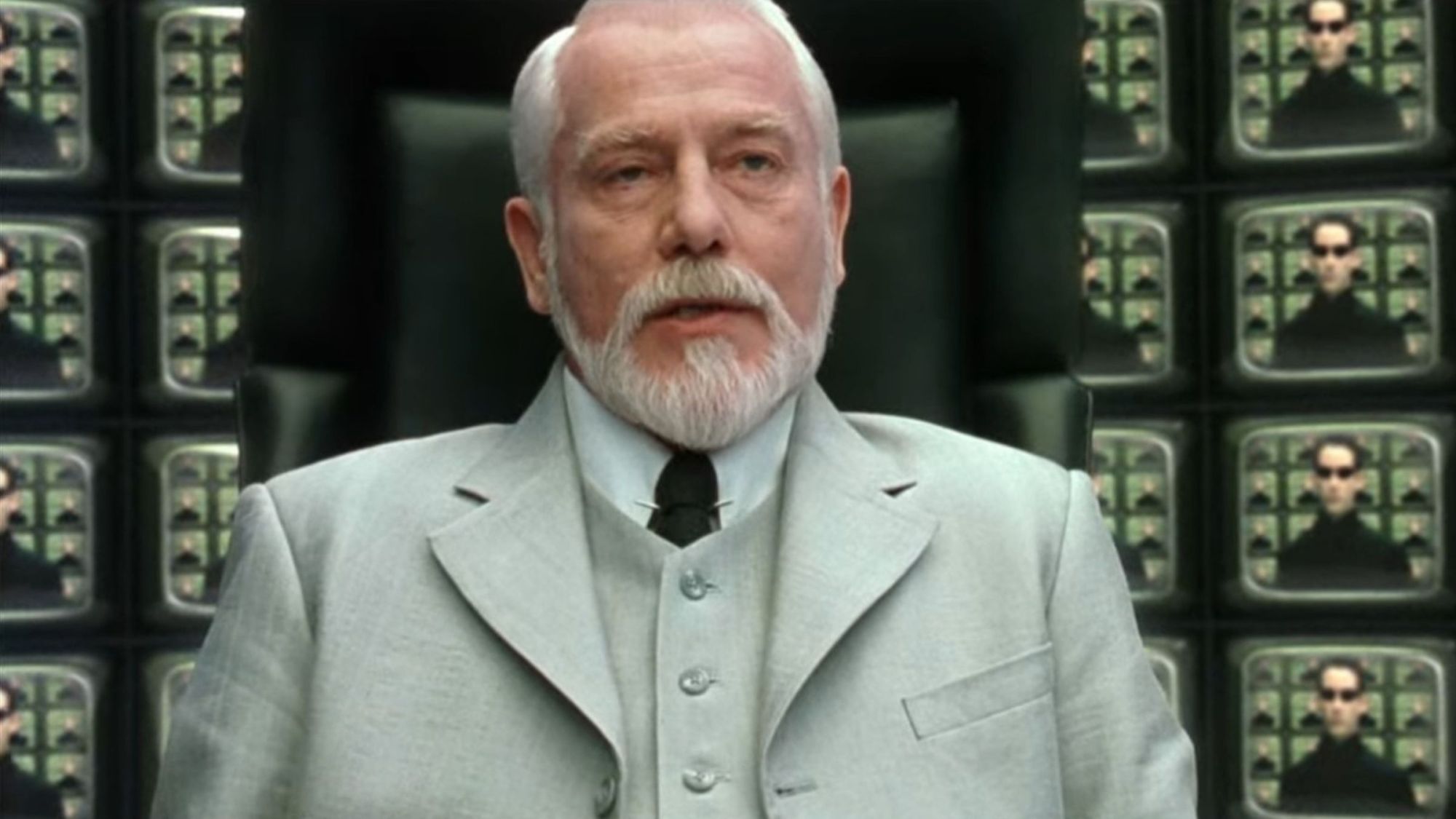
Fans have long debated whether Neo's ability to reshape the Matrix or Smith's viral spread and absorption capabilities represented the pinnacle of power. Other powerful entities, such as the Oracle, the Architect, and even the sentient machines themselves, have also been considered in these discussions. The ambiguity surrounding the conclusion of *The Matrix Revolutions* further fueled these debates, as Neo's ultimate sacrifice and Smith's apparent defeat left room for interpretation regarding their final states and potential for return.
Key Developments
The confirmation of *The Matrix 5* marks a significant continuation of the saga, with Lana Wachowski, co-creator of the original series, not returning to direct but remaining involved as an executive producer. Drew Goddard, known for *The Cabin in the Woods* and *Bad Times at the El Royale*, is set to write and direct the new installment. This change in directorial leadership could introduce a fresh perspective on the franchise's established lore, potentially leading to new interpretations of character power levels.
Goddard's involvement suggests a potential for innovative storytelling that could directly tackle the power debate. A new narrative direction might introduce previously unseen abilities, new forms of energy manipulation, or even redefine the rules of the Matrix itself. Such developments would offer concrete evidence to support or refute existing fan theories about character strength, moving beyond speculative interpretations of past events. The film's plot, once revealed, will be crucial in understanding how it addresses these long-standing questions.
Perspectives
The ongoing debate reflects the deep engagement of the fanbase with the philosophical and action-oriented aspects of The Matrix. Resolving the 'most powerful character' question could either satisfy a large segment of the audience or potentially alienate others who hold strong personal convictions about their preferred character's supremacy. The film's approach to this will need to be carefully considered to maintain narrative integrity while addressing fan expectations.
Beyond simple power levels, the debate often touches on themes of free will versus determinism, the nature of reality, and the limits of artificial intelligence. A definitive answer in *The Matrix 5* could therefore have broader implications for the franchise's overarching philosophical messages. It might reshape how audiences perceive the balance of power between humanity and machines, and the potential for individuals to transcend their programmed limitations within the Matrix.
What to Watch
As production details for *The Matrix 5* emerge, fans should monitor announcements regarding casting, plot summaries, and any statements from director Drew Goddard or the production team. Specific character returns or the introduction of new entities could offer early clues about the film's direction. The eventual release of trailers and promotional materials will likely provide further insights into how the movie intends to address the long-standing debate about the most powerful character in the franchise.
Found this story useful? Share it:
Sources (1)
ComicBook.com
"The Matrix 5 Can Settle a Controversial Debate About the Most Powerful Character"
April 11, 2026