
The Shield Utilized Story Concepts Deemed Too Dark for Nash Bridges, According to Reports
AI-Summarized Article
ClearWire's AI summarized this story from TVLine into a neutral, comprehensive article.
Key Points
- "The Shield" reportedly used story ideas considered too dark for "Nash Bridges."
- "The Shield" focused on Vic Mackey's Strike Team, who broke laws to fight crime.
- "Nash Bridges" was a lighter, more conventional police procedural on CBS.
- "The Shield" aired on FX (2002-2008), known for its gritty realism and moral ambiguity.
- The show explored themes of police corruption and blurred lines of justice.
- Cable television's creative freedom allowed "The Shield" to tackle mature themes.
Overview
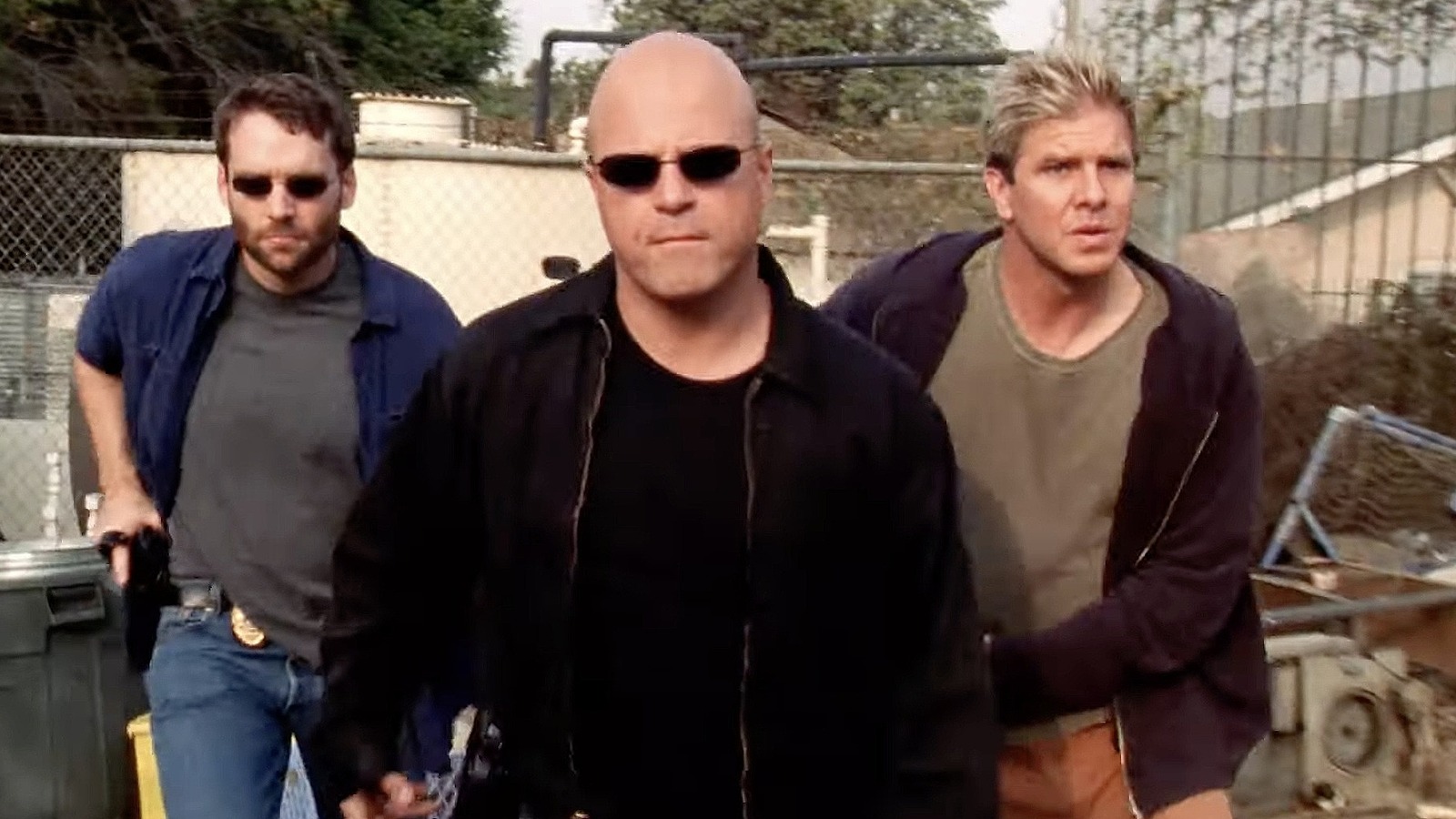
FX's acclaimed police drama "The Shield" reportedly incorporated story ideas that were considered too dark and twisted for the CBS series "Nash Bridges." "The Shield," which aired from 2002 to 2008, centered on the Strike Team, an experimental anti-gang unit led by Detective Vic Mackey, known for operating outside the bounds of the law to reduce crime and maintain peace in the fictional district of Farmington, Los Angeles. This approach often involved morally ambiguous actions and violence, distinguishing it significantly from more traditional police procedurals.
The series gained critical acclaim for its gritty realism and complex characters, exploring themes of corruption, justice, and the blurred lines between right and wrong. Its narrative often depicted police officers engaging in illegal activities, including drug dealing, extortion, and murder, all justified by their perceived effectiveness in crime fighting. This willingness to delve into the darker aspects of law enforcement allowed "The Shield" to tackle subjects that other network shows typically avoided.
Background & Context
"Nash Bridges," starring Don Johnson and Cheech Marin, ran on CBS from 1996 to 2001 and was known for its lighter tone, focusing on San Francisco police inspectors solving crimes with a blend of action and humor. The series generally maintained a more conventional network television sensibility, which limited its capacity to explore intensely dark or morally challenging narratives. This contrast highlights a significant difference in creative freedom and thematic scope between network television and cable dramas of the era.
"The Shield" emerged during a period when cable television was beginning to push boundaries, allowing for more mature and complex storytelling than was typically found on broadcast networks. This environment enabled showrunner Shawn Ryan and his team to develop a series that unflinchingly examined the moral compromises and ethical dilemmas faced by law enforcement. The show's ability to use these 'darker' ideas contributed to its reputation as a groundbreaking and influential drama.
Key Developments
The creative team behind "The Shield" reportedly had access to a pool of story concepts that had been deemed unsuitable for other, more mainstream police dramas like "Nash Bridges." These concepts likely involved more explicit violence, deeper moral corruption, or more complex ethical quandaries than network television standards would permit. The show's premise itself—a police unit that routinely breaks the law—was a radical departure from traditional portrayals of law enforcement.
Vic Mackey, portrayed by Michael Chiklis, became an iconic anti-hero, embodying the show's exploration of ends-justify-the-means policing. His character and the actions of the Strike Team consistently challenged audience perceptions of justice and authority. The series often depicted the internal and external consequences of their illicit activities, demonstrating a commitment to exploring the full ramifications of such dark storylines.
Perspectives
The reported use of 'too dark' story ideas for "The Shield" underscores a broader shift in television storytelling, particularly with the rise of cable dramas. This allowed for narratives that explored the complexities and moral ambiguities of society in a way that network television, constrained by advertisers and broader audience expectations, could not. "The Shield" demonstrated that audiences were willing to engage with challenging and uncomfortable themes, provided they were presented with compelling characters and intricate plots.
This distinction also highlights the different mandates of broadcast networks versus premium cable channels. While CBS aimed for broader appeal with shows like "Nash Bridges," FX sought to attract a discerning audience with grittier, more adult-oriented content. The success of "The Shield" proved the viability of this approach, paving the way for other prestige dramas that dared to explore darker aspects of the human condition.
What to Watch
Future discussions around television show development may continue to explore the balance between creative freedom and audience expectations across different platforms. The legacy of shows like "The Shield" remains relevant in conversations about the evolution of police dramas and the types of stories that can be told on television today, especially as streaming services further blur the lines between traditional broadcast and cable content. The impact of its boundary-pushing narrative continues to influence contemporary storytelling in crime dramas.
Found this story useful? Share it:
Sources (1)
TVLine
"The Shield Used Story Ideas That Were Too Dark And Twisted For Nash Bridges"
April 11, 2026