
Analysis Compares Samsung Galaxy S24 to Predecessor, Notes Incremental Upgrades
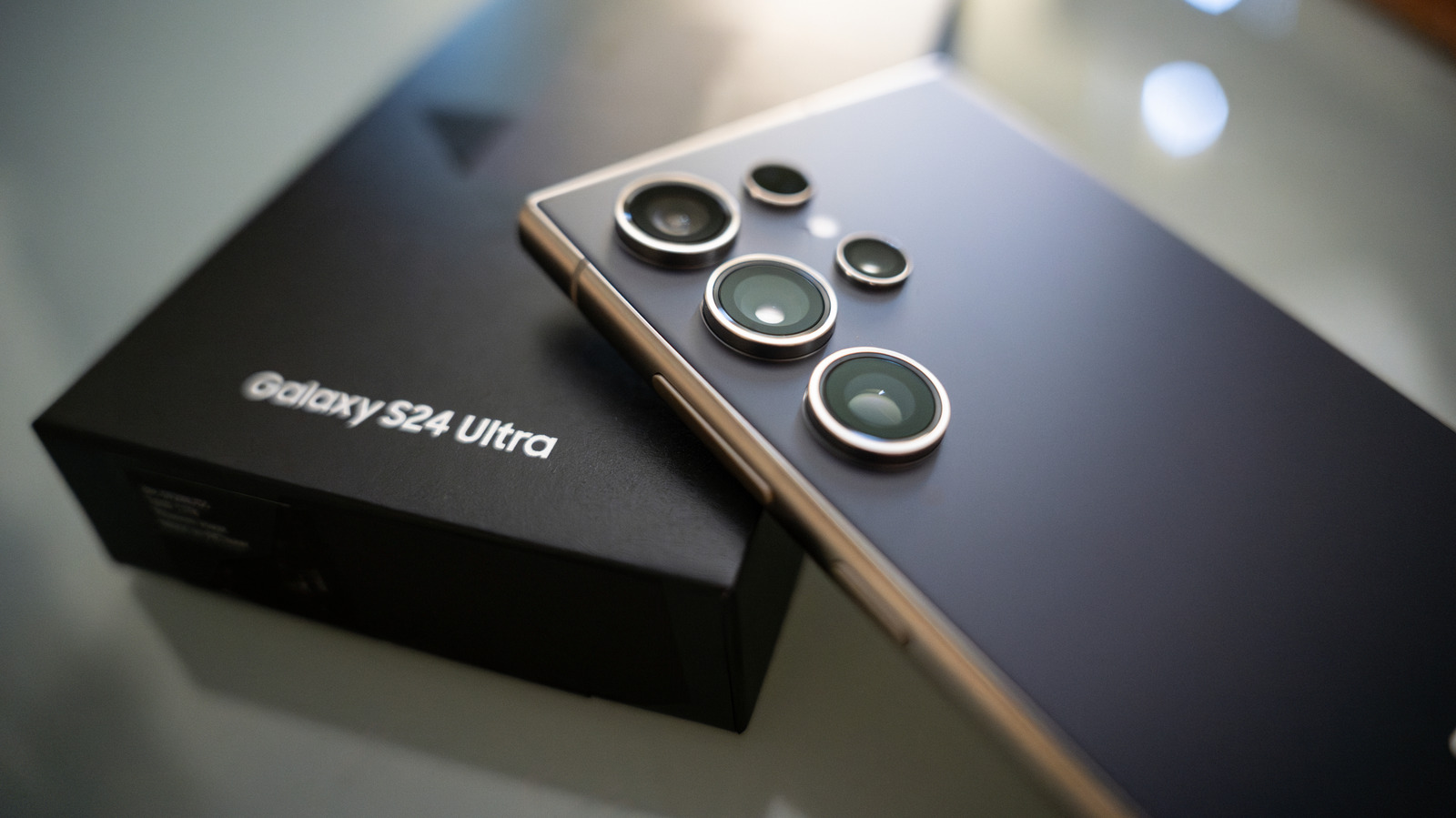
AI-Summarized Article
ClearWire's AI summarized this story from BGR into a neutral, comprehensive article.
Key Points
- Analysis compares Samsung Galaxy S24 to a successor released two years later.
- Upgrades between two-year-apart Galaxy phone generations are described as mostly incremental.
- A slight increase in display size is noted as an example of these minor advancements.
- The discussion considers the Galaxy S24's value proposition for potential purchase in 2026.
- The trend suggests a slowing pace of revolutionary innovation in flagship smartphones.
Overview
A recent analysis, referencing an article from BGR, examines the value proposition of the Samsung Galaxy S24 in the context of future purchasing decisions, specifically looking towards 2026. The core of the discussion centers on the nature of upgrades between generations of Samsung Galaxy phones. It highlights that advancements have largely been incremental when comparing devices released two years apart.
The comparison specifically notes a slight increase in display size from the Galaxy S24 to a subsequent, unspecified generation. This detail underscores the general trend of minor, rather than revolutionary, changes in key hardware specifications. The article implicitly suggests that consumers might need to weigh these incremental improvements against the potential for significant price drops or the emergence of truly groundbreaking features in newer models.
Background & Context
The smartphone market, particularly for flagship devices like Samsung's Galaxy S series, has matured significantly over the past decade. Early generations often saw dramatic leaps in performance, camera technology, and design. However, in recent years, the pace of innovation has slowed, leading to a pattern of incremental updates.
This trend means that the difference between a phone released today and one from two years prior may not be as stark as it once was. Consumers are increasingly holding onto their devices longer, making the decision to upgrade more complex. The question of whether a phone like the Galaxy S24 remains a worthwhile purchase years after its release reflects this broader market dynamic.
Key Developments
The central observation from the analysis is that the upgrades between two-year-apart Galaxy phone generations have been predominantly incremental. This is exemplified by the mention of a slight increase in display size between the Galaxy S24 and its successor. Such minor changes suggest that core user experience enhancements might not be drastically altered by simply upgrading to the next model.
This pattern of incrementalism implies that users of older flagship models might not find a compelling reason to upgrade solely based on hardware specifications within a two-year cycle. Instead, factors like software support longevity, battery degradation, or specific new features (e.g., AI capabilities) might become more significant drivers for purchasing decisions. The analysis prompts consideration of whether these incremental changes justify the cost of a new device.
Perspectives
The observation of incremental upgrades between Galaxy phone generations presents a critical perspective for consumers. It suggests that the perceived value of a new flagship device might diminish if the improvements over its predecessors are minor. This could lead to a longer upgrade cycle for consumers, who might opt to keep their current devices for more than two years.
From a market standpoint, this trend challenges manufacturers to innovate beyond mere specification bumps. It encourages a focus on software features, ecosystem integration, or entirely new form factors to entice upgrades. The analysis implicitly supports the idea that a phone like the Galaxy S24 could retain significant utility and performance for several years post-launch, potentially making it a viable option even in 2026, depending on individual needs and budget.
What to Watch
Consumers considering smartphone purchases in the coming years should monitor the pace of innovation in flagship devices, particularly regarding truly transformative features rather than incremental specification bumps. Attention should also be paid to software update policies and long-term support for older models, as these factors increasingly influence a device's longevity and value.
Found this story useful? Share it:
Sources (1)
BGR
"Is The Samsung Galaxy S24 Worth Buying In 2026"
April 11, 2026