
Analysis Reveals Shared Emotional Core in Iconic Naruto and One Piece Episodes
AI-Summarized Article
ClearWire's AI summarized this story from Screen Rant into a neutral, comprehensive article.
Key Points
- Naruto and One Piece, two major shonen franchises, share a similar narrative device involving profound loss for their protagonists.
- Both Naruto Uzumaki and Monkey D. Luffy experience the death of a beloved mentor or close comrade, revealing their limitations.
- Naruto's turning point is the death of Jiraiya, while Luffy's is the death of his brother, Portgas D. Ace.
- These losses shatter the heroes' idealism, forcing them to confront harsh realities and driving significant character development.
- The emotional impact of these episodes is widely recognized by fans as crucial to the series' depth and protagonist growth.
- This shared storytelling approach highlights the importance of adversity and loss in shaping resilient shonen heroes.
Overview
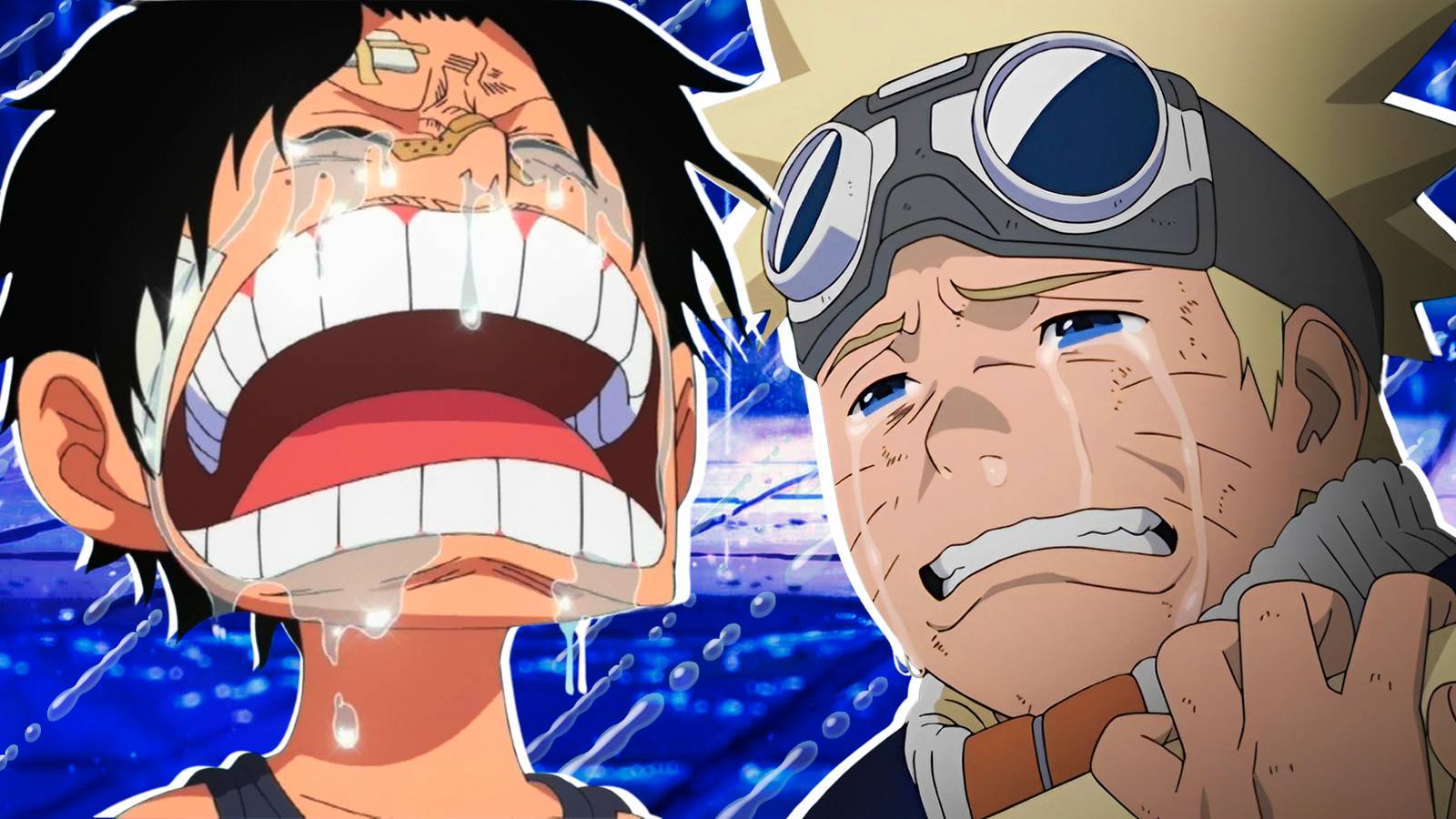
Two of the most influential shonen anime and manga franchises, Naruto and One Piece, share a deeply emotional and impactful narrative similarity in some of their most memorable and saddest episodes. This commonality centers on the protagonists, Naruto Uzumaki and Monkey D. Luffy, experiencing profound loss and the subsequent realization of their own limitations. These moments are pivotal in their character development, highlighting their vulnerability and the harsh realities of their respective journeys.
The shared theme involves the heroes witnessing the death of a beloved mentor or close comrade, which shatters their youthful idealism and forces them to confront their powerlessness. For Naruto, this occurs with the death of Jiraiya, while for Luffy, it is the death of Portgas D. Ace. Both events serve as critical turning points, propelling the characters towards significant growth and a deeper understanding of their responsibilities and goals.
Background & Context
Both Naruto and One Piece are renowned for their long-running narratives, extensive character development, and ability to evoke strong emotional responses from their global fanbase. Their success is attributed not only to action-packed sequences but also to their intricate storytelling and the exploration of themes like friendship, perseverance, and sacrifice. The emotional depth of these series has contributed significantly to their enduring popularity and critical acclaim over the past two decades.
The specific episodes highlighted for this shared emotional core are often cited by fans as among the most impactful in their respective series. These moments are not merely tragic but are carefully constructed narrative devices designed to mature the protagonists and deepen the series' thematic resonance. The enduring power of these scenes years after their initial release underscores their masterful execution and lasting relevance.
Key Developments
In Naruto, the death of Jiraiya, Naruto's mentor and father figure, during his battle with Pain, marks a profound turning point. Naruto, despite his growing strength, is unable to prevent this loss, leading to a period of intense grief and a subsequent drive to master Sage Mode and avenge his master. This event forces Naruto to confront the harsh realities of war and sacrifice, moving him beyond his naive optimism.
Similarly, in One Piece, the death of Portgas D. Ace, Luffy's adoptive brother, at the Marineford War, is a catastrophic blow to the Straw Hat captain. Luffy, despite his immense power and the help of allies, fails to save Ace, leading to a mental breakdown and a deep sense of despair. This experience compels Luffy to acknowledge his own weakness and initiate a two-year training period to become stronger for the sake of his crew and future endeavors.
Perspectives
The narrative choice to inflict such devastating losses on the main protagonists is a powerful storytelling technique employed by both series creators. It serves to ground the fantastical elements of the shonen genre in relatable human emotions, making the heroes more complex and their struggles more resonant. Fans often cite these episodes as examples of the series' peak emotional writing, highlighting their ability to deliver profound character development through adversity.
The lasting impact of these moments is evident in how they continue to be discussed and analyzed by fans and critics alike, years after their initial broadcast. They are not merely sad scenes but foundational experiences that shape the heroes' future actions, motivations, and overall philosophies. This shared narrative device underscores a common understanding among shonen creators about the importance of loss in forging truly resilient and empathetic heroes.
What to Watch
The continued analysis of these iconic shonen series often focuses on how such pivotal emotional moments contribute to their enduring legacy and influence on subsequent anime and manga. Future discussions may explore how newer shonen titles adapt or diverge from these established narrative techniques for character development. Fans will continue to revisit these episodes, reflecting on their timeless impact on the protagonists and the broader narrative arcs of Naruto and One Piece.
Found this story useful? Share it:
Sources (1)
Screen Rant
"One Piece and Naruto's Saddest Episodes Share One Heartbreaking Similarity That's Aged Like Fine Wine"
April 11, 2026