
Hungarian Prime Minister Viktor Orbán's Hometown Felcsút Becomes Symbol of Alleged Excesses and Patronage
AI-Summarized Article
ClearWire's AI summarized this story from NPR into a neutral, comprehensive article.
Key Points
- Felcsút, PM Viktor Orbán's hometown, features disproportionately large projects like a 4,000-seat soccer stadium for its 1,800 residents.
- Projects in Felcsút, including a luxury hotel and railway, are largely funded by the state and linked to Orbán's close associate, Lorinc Mészáros.
- Mészáros, a former gas fitter, has become one of Hungary's wealthiest individuals, acquiring numerous state contracts.
- Critics view Felcsút's development as a symbol of alleged corruption, patronage, and misuse of public funds under Orbán's government.
- The European Union has expressed concerns over transparency and conflicts of interest in Hungary's use of its structural funds.
- The situation highlights broader concerns about democratic backsliding and concentration of wealth among politically connected elites in Hungary.
Overview
Felcsút, a small Hungarian village and the hometown of Prime Minister Viktor Orbán, has become a focal point of criticism regarding alleged corruption and the concentration of wealth and power. Despite its modest population, the village boasts disproportionately large and expensive infrastructure projects, including a 4,000-seat soccer stadium, a luxury hotel, and a narrow-gauge railway. These developments are largely attributed to government funding and contracts awarded to companies linked to Orbán's associates, particularly Lorinc Mészáros, a former gas fitter who has become one of Hungary's wealthiest individuals.
Critics argue that these projects exemplify a system of patronage and the misuse of public funds, benefiting a select few connected to the ruling Fidesz party. The scale of development in Felcsút stands in stark contrast to the village's actual needs and its small population, raising questions about transparency and accountability. The situation in Orbán's hometown is frequently cited by opposition parties and international observers as evidence of systemic corruption within Hungary.
Background & Context
Viktor Orbán, who has served as Prime Minister of Hungary since 2010, grew up in Felcsút. His political career has been marked by a consolidation of power and a focus on national sovereignty, often clashing with European Union institutions. During his tenure, Hungary has seen significant economic growth, but also increasing concerns about democratic backsliding, media freedom, and corruption. The developments in Felcsút are often viewed within this broader context of Orbán's governance style and the Fidesz party's influence.
The rise of individuals like Lorinc Mészáros, who started as a local gas fitter and became a billionaire with extensive business interests across various sectors, is central to the narrative surrounding Felcsút. Mészáros's rapid accumulation of wealth and his close ties to Orbán are frequently highlighted by critics as a prime example of cronyism. His companies have secured numerous state contracts, contributing to the perception that government funds are being channeled to political allies.
Key Developments
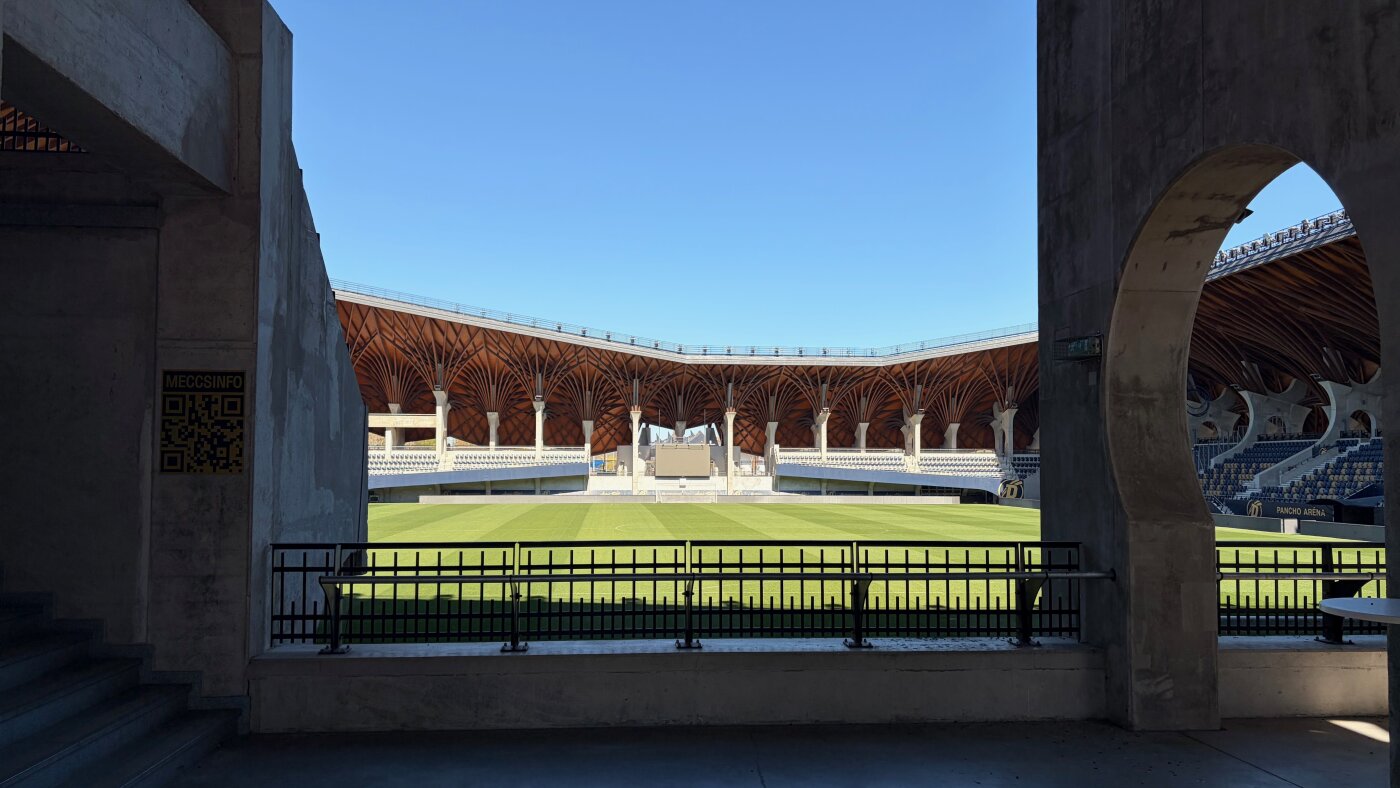
The Pancho Arena, a 4,000-seat soccer stadium in a village of approximately 1,800 people, is one of the most prominent examples of the controversial developments in Felcsút. Built with significant public funding, it serves a local soccer academy founded by Orbán. Another notable project is the Felcsút narrow-gauge railway, a short line connecting the village to a nearby arboretum, which has been criticized as a costly and underutilized tourist attraction.
Beyond these projects, Felcsút has also seen the construction of a luxury hotel, a golf course, and other facilities that appear disproportionate to the village's size and economic activity. These ventures are frequently linked to companies owned or controlled by Lorinc Mészáros, who has publicly stated his personal connection to Orbán. The European Union has expressed concerns over the use of its structural funds in Hungary, particularly regarding potential conflicts of interest and lack of transparency in public procurement.
Perspectives
Critics, including Hungarian opposition parties and international watchdog organizations, contend that Felcsút symbolizes the systemic corruption and state capture under Orbán's government. They argue that public resources are being diverted to enrich a small circle of politically connected individuals, undermining fair competition and democratic principles. These developments are often presented as a stark illustration of how power is leveraged for personal and political gain.
Conversely, supporters of the government and Orbán's allies often defend these projects as investments in local development and sports infrastructure. They may emphasize the economic benefits and job creation, or frame the criticism as politically motivated attacks. The government generally maintains that all public spending adheres to legal requirements and that allegations of corruption are unfounded or exaggerated.
What to Watch
Ongoing investigations and monitoring by European Union bodies regarding the use of EU funds in Hungary could bring further scrutiny to projects in Felcsút and similar developments. The upcoming Hungarian elections will also provide an opportunity for the electorate to voice their perspectives on governance and corruption. International reports on democratic standards and corruption indices will continue to assess Hungary's trajectory under its current leadership.
Found this story useful? Share it:
Sources (1)
NPR
"How Hungarian Prime Minister Viktor Orbán's hometown became a symbol of excesses"
April 11, 2026