
Irish Defense Forces Assist Police in Breaking Oil Refinery Blockade Amid Fuel Price Protests
AI-Summarized Article
ClearWire's AI summarized this story from Bloomberg into a neutral, comprehensive article.
Key Points
- Irish defense forces assisted police in breaking a blockade at the country's only oil refinery on Saturday.
- The blockade was part of ongoing protests against the government's handling of soaring fuel prices.
- Military involvement highlights government's commitment to maintaining critical infrastructure amid public unrest.
- The operation aimed to restore access and ensure continued operation of Ireland's sole oil refinery.
- Protests reflect widespread public concern over rising energy costs and demand for government action.
- This marks an escalation in authorities' response to disruptions impacting national energy security.
Overview
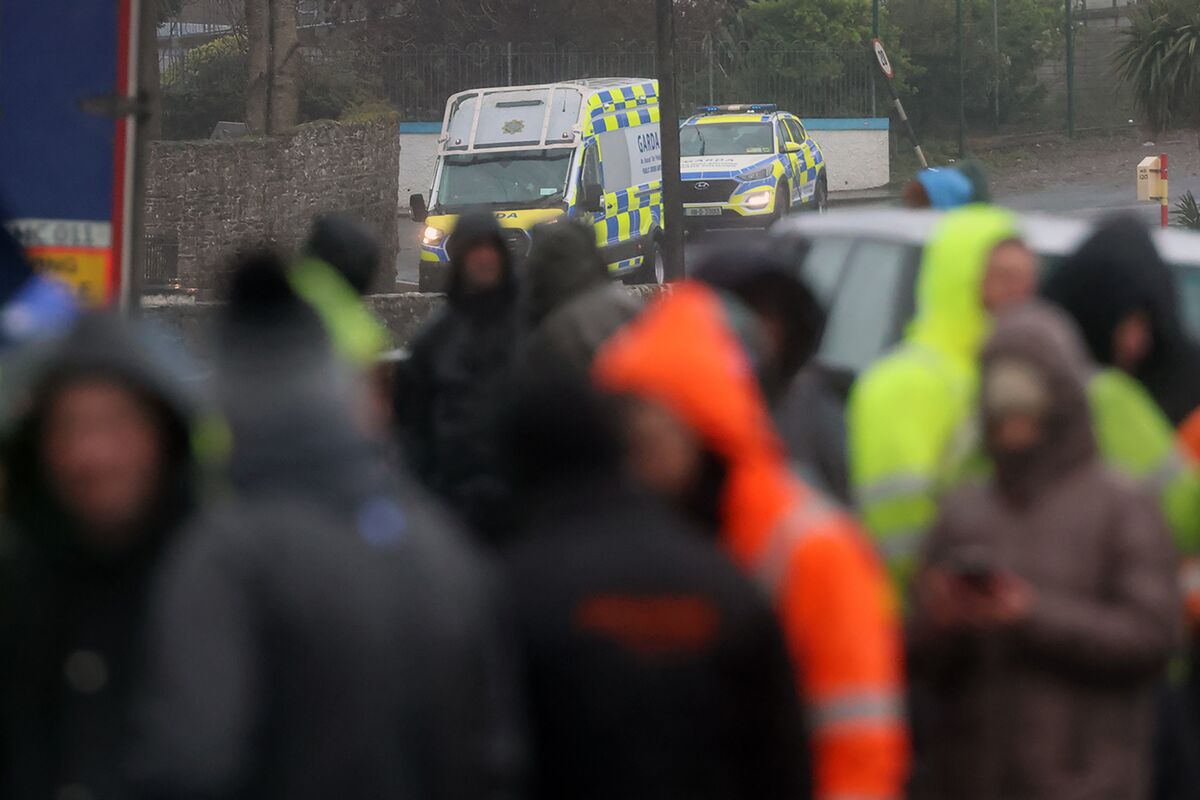
Ireland's defense forces provided assistance to police on Saturday to dismantle a blockade at the country's sole oil refinery. This action occurred as protests continued across the nation regarding the government's response to escalating fuel prices. The intervention by military personnel highlights the growing tension and the government's resolve to maintain critical infrastructure operations despite public demonstrations.
The blockade, reportedly organized by protestors, aimed to disrupt operations at the refinery, which is a key component of Ireland's energy supply chain. The deployment of defense forces marks a significant escalation in the authorities' handling of the ongoing fuel price protests. This joint operation underscores the seriousness with which the government views disruptions to essential national resources.
Background & Context
The protests are a direct response to a significant surge in fuel prices, which has impacted consumers and businesses across Ireland. Rising energy costs have become a major concern for many households, leading to public discontent and calls for government intervention. The blockade at the refinery represents a more direct and impactful form of protest compared to general demonstrations.
Ireland, like many other nations, has been grappling with global energy market volatility, exacerbated by various geopolitical factors. The country's reliance on a single oil refinery makes such a facility a critical target for protestors seeking to exert pressure. The government's decision to involve the defense forces indicates a prioritization of national energy security and economic stability over prolonged disruption.
Key Developments
Members of the Irish defense forces were deployed to the refinery site to support police efforts in clearing the blockade. This collaboration between civilian law enforcement and military personnel was essential for restoring access and ensuring the continued operation of the facility. The operation was reportedly successful in dispersing the protestors and reopening the site.
The involvement of the military in domestic policing actions, particularly in response to civil unrest, is a measure typically reserved for situations deemed to require significant additional resources or specialized capabilities. This deployment suggests that the police assessed the situation as beyond their standard operational capacity or requiring a more robust response. The specific nature of the assistance provided by the defense forces, such as logistical support or direct intervention, was not immediately detailed.
Perspectives
The government's perspective likely centers on maintaining law and order, protecting critical national infrastructure, and ensuring the stability of fuel supplies. The use of defense forces indicates a firm stance against actions that could severely impact the national economy or public services. For the protestors, the blockade was a means to draw urgent attention to the financial strain caused by high fuel prices and to demand more effective government action.
Public opinion may be divided, with some supporting the government's move to secure essential services and others sympathizing with the protestors' grievances over living costs. The incident reflects a broader societal challenge where economic pressures are manifesting in direct action, prompting authorities to balance civil liberties with national security and economic stability concerns.
What to Watch
Future developments will likely include continued monitoring of fuel prices and potential government announcements regarding measures to alleviate consumer burden. Observers will also watch for any further protest actions or shifts in government strategy for managing public dissent. The long-term implications of military involvement in such domestic incidents will also be a point of interest.
Found this story useful? Share it:
Sources (1)
Bloomberg
"Irish Army Helps Police Break Oil Refinery Blockade, RTE Reports"
April 11, 2026