
Discussion on Postpartum Support and Loneliness Sparks Online Debate
AI-Summarized Article
ClearWire's AI summarized this story from Boredpanda.com into a neutral, comprehensive article.
Key Points
- A woman's online post about friends' lack of postpartum support ignited a debate on expectations and communication.
- Postpartum loneliness affects up to 90% of new mothers, highlighting a widespread challenge.
- The woman expressed disappointment that friends did not offer practical help like babysitting or meals.
- Online reactions were split between empathy for her loneliness and criticism for not explicitly asking for help.
- The discussion underscored differing views on friendship obligations and the responsibility for offering support.
- Experts note that open communication of needs is crucial for new mothers seeking assistance from their social circles.
Overview
A recent online discussion highlighted the prevalence of postpartum loneliness among new mothers and the varied expectations surrounding support from friends and family. A woman's social media post expressing disappointment over her friends' lack of support after childbirth garnered significant attention, leading to a wide range of reactions and perspectives. This incident underscores the complex social dynamics and differing views on responsibility for providing assistance to new parents.
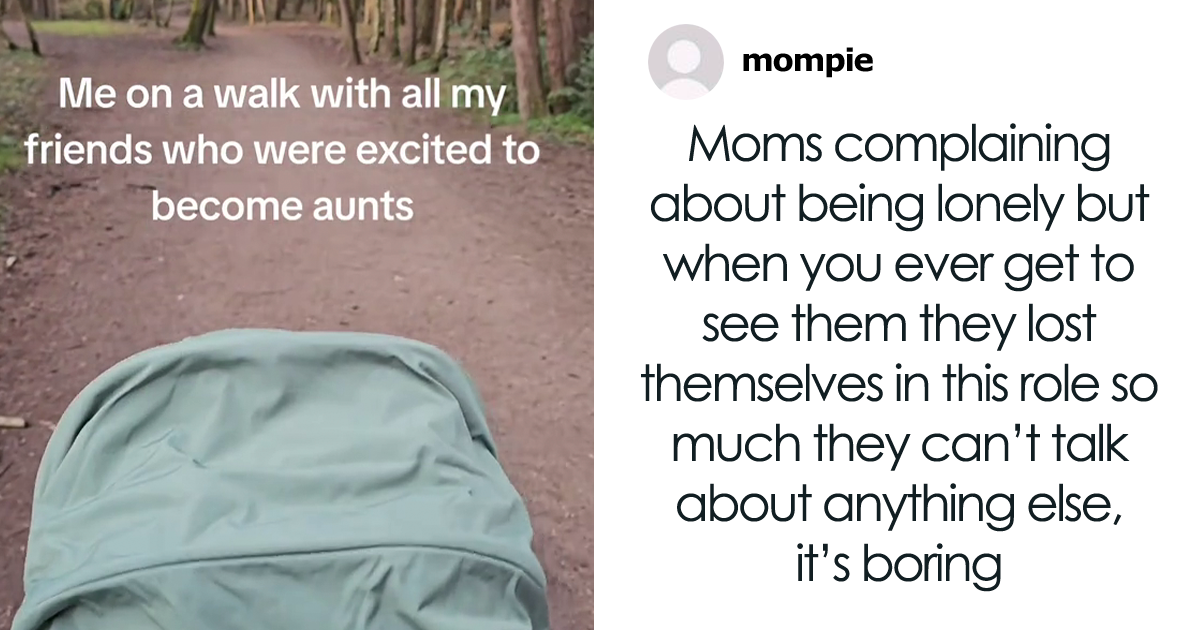
The initial post, which was shared on Reddit's 'Am I The A**hole?' forum, detailed the woman's frustration with friends who did not offer practical help, such as babysitting or meals, after she gave birth. She questioned whether her expectations were unreasonable, leading to a robust debate about the nature of friendship, personal responsibility, and societal support systems for new mothers. This conversation brought to light the emotional challenges many women face during the postpartum period.
Background & Context
Postpartum loneliness is a recognized issue, with research indicating that up to 90% of new mothers may experience it. This feeling can stem from various factors, including hormonal changes, sleep deprivation, the demanding nature of childcare, and a perceived lack of understanding or assistance from their social circle. The isolation can be exacerbated by societal pressures to portray motherhood as an exclusively joyful experience, making it difficult for new mothers to openly express their struggles.
The societal expectation for friends and family to rally around new parents is deeply ingrained in many cultures, yet the practical manifestation of this support can vary widely. This discrepancy often leads to unmet expectations and feelings of abandonment, as seen in the recent online discussion. The debate also touched upon the evolving nature of friendships in adulthood, where individuals often have their own demanding lives and may not always anticipate or offer specific types of support without direct communication.
Key Developments
The woman's Reddit post detailed her feelings of being let down by friends whom she had previously supported during their own life events. She mentioned specific instances where she had provided assistance, such as helping friends move or providing emotional support during difficult times. Her expectation was that this reciprocal support would extend to her postpartum period, particularly in the form of practical help with her newborn.
Reactions to her post were divided. Many commenters empathized with her feelings of loneliness and the desire for support, acknowledging the difficulty of the postpartum period. However, a significant portion of responses criticized her for not explicitly communicating her needs to her friends, suggesting that assuming friends would anticipate and offer specific help was unrealistic. Some also pointed out that friends are not inherently obligated to provide childcare, especially if they are not godparents or close family members.
Perspectives
One perspective emphasized the importance of clear communication, suggesting that friends cannot read minds and that new mothers should articulate their needs directly. This viewpoint argued that while support is crucial, it is the new mother's responsibility to ask for it. Another perspective highlighted the potential for resentment when expectations of reciprocal support are not met, particularly when one party feels they have consistently given more in the friendship.
Conversely, many mothers shared their own experiences of feeling isolated and unsupported, validating the original poster's emotions. They argued that true friendship should involve an intuitive understanding of a friend's needs during vulnerable times, or at least a proactive offer of help. This perspective often contrasted with the view that friends are not substitutes for professional help or primary caregivers, underscoring the differing definitions of friendship and support.
What to Watch
This discussion highlights an ongoing societal conversation about how communities and individuals can better support new parents. Future developments may include increased awareness campaigns about postpartum mental health and loneliness, encouraging open communication within social circles, and potentially the development of more structured community support networks for new mothers. The role of clear communication in managing expectations within friendships will likely remain a key theme in these discussions.
Found this story useful? Share it:
Sources (1)
Boredpanda.com
"“The People You Hoped To Be Babysitters?”: Woman’s Complaint About Friend Support After Birth Backfires"
April 13, 2026