
Pure/AVK Develops Europe's First Microgrid-Powered Data Centre in Dublin to Address Grid Constraints
AI-Summarized Article
ClearWire's AI summarized this story from ComputerWeekly.com into a neutral, comprehensive article.
Key Points
- Pure Storage and AVK have launched Europe's first microgrid-powered data centre in Dublin, Ireland.
- The facility aims to bypass Irish grid connection constraints and reduce reliance on the national electricity supply.
- The microgrid integrates solar power, battery storage, and combined heat and power (CHP) units for self-sufficiency.
- This project offers a model for sustainable data centre development in energy-constrained regions.
- The initiative addresses Ireland's significant data centre power demand straining the national grid.
- Long-term operational efficiency and scalability of this microgrid model will be closely monitored.
Overview
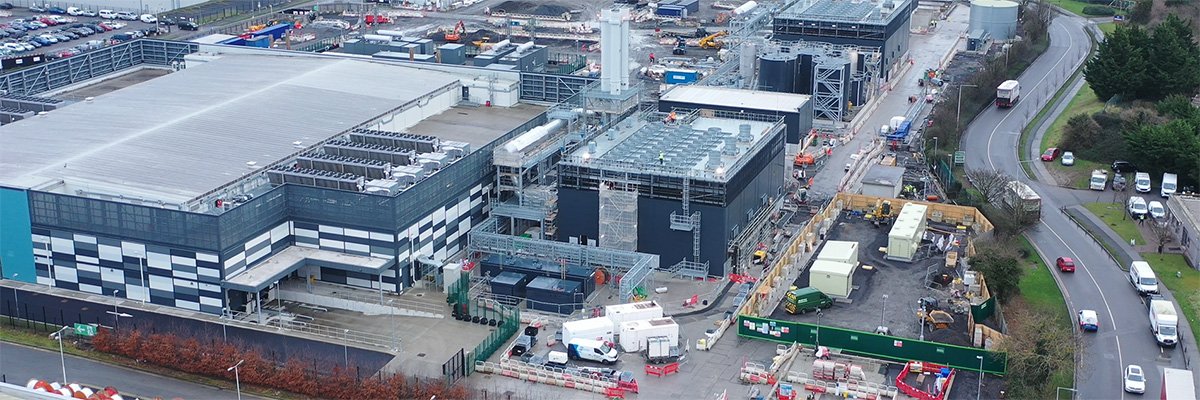
Pure Storage and AVK have collaborated to develop what is being described as Europe's first microgrid-powered data centre in Dublin, Ireland. This innovative facility aims to circumvent the significant grid connection challenges and energy supply constraints currently facing data centre development in the region. The project leverages a combination of renewable energy sources and advanced power management systems to operate largely independently of the national grid, ensuring reliable and sustainable operations for Pure Storage's data infrastructure.
The Dublin data centre's microgrid integrates multiple power generation technologies, including solar panels, battery energy storage systems, and combined heat and power (CHP) units. This multi-faceted approach allows the facility to generate and manage its own power, reducing reliance on the often-strained Irish national grid. The initiative serves as a potential model for future data centre developments seeking to mitigate environmental impact and overcome infrastructure limitations in energy-constrained areas.
Background & Context
Ireland, particularly the Dublin region, has become a major hub for data centres, leading to considerable strain on its electricity grid. The sheer demand for power from these facilities has prompted EirGrid, the national grid operator, to impose restrictions and delays on new grid connections, impacting data centre expansion plans. This situation has driven companies to explore alternative, self-sufficient power solutions to ensure operational continuity and meet sustainability targets.
Traditional data centres are heavily dependent on grid power, often requiring substantial upgrades to local infrastructure. The Pure/AVK project emerges from this context, seeking to provide a scalable and environmentally responsible solution to these challenges. By demonstrating a viable microgrid model, the collaborators aim to set a precedent for how critical digital infrastructure can be deployed in energy-sensitive regions without exacerbating existing grid pressures.
Key Developments
The Dublin data centre's microgrid design incorporates a sophisticated control system that optimizes power generation and consumption across its various components. This includes on-site solar photovoltaic arrays, high-capacity battery storage, and CHP units that can run on various fuels, including potentially biofuels, to provide continuous power. The system is engineered to seamlessly switch between power sources, ensuring uninterrupted operation even during peak demand or grid outages.
AVK, a specialist in critical power solutions, played a pivotal role in designing and implementing the microgrid infrastructure, drawing on its expertise in integrating diverse power technologies. Pure Storage, as the data centre operator, benefits from enhanced energy independence and reduced operational costs associated with grid power. The project highlights a shift towards more localized and resilient energy systems within the data centre industry.
Perspectives
The development of self-powered data centres like the Pure/AVK facility offers a pragmatic solution to the escalating energy demands of the digital economy, especially in regions facing grid capacity issues. This approach not only addresses immediate power supply concerns but also aligns with broader sustainability goals by reducing reliance on fossil fuel-generated grid electricity. Industry experts view such microgrid solutions as crucial for the continued growth of the data centre sector in an environmentally responsible manner.
However, the initial investment and complexity of integrating multiple power sources present significant challenges for widespread adoption. The success of this project could encourage more data centre operators to invest in similar independent power generation capabilities, potentially influencing future energy policy and infrastructure planning in regions with high data centre density. It represents a tangible step towards a more decentralized and resilient energy future for critical infrastructure.
What to Watch
Future developments will focus on the long-term operational efficiency and environmental performance of the Dublin microgrid data centre. Industry observers will be monitoring its ability to consistently meet Pure Storage's power demands while minimizing grid interaction and carbon emissions. The scalability of this model to other data centre projects and regions facing similar grid constraints will also be a key area of interest for the coming years.
Found this story useful? Share it:
Sources (1)
ComputerWeekly.com
"Pure/AVK self-powered Dublin datacentre dodges grid constraints"
April 13, 2026