
Trump's Hormuz Blockade Announcement Leads to Dow Futures Drop and Oil Price Surge
AI-Summarized Article
ClearWire's AI summarized this story from Ibtimes.com.au into a neutral, comprehensive article.
Key Points
- President Trump announced a naval blockade of the Strait of Hormuz after peace talks with Iran collapsed.
- U.S. Dow futures dropped by 500 points following the blockade announcement, indicating market instability.
- Global oil prices surged past $104 per barrel due to concerns over supply disruptions through the critical Strait.
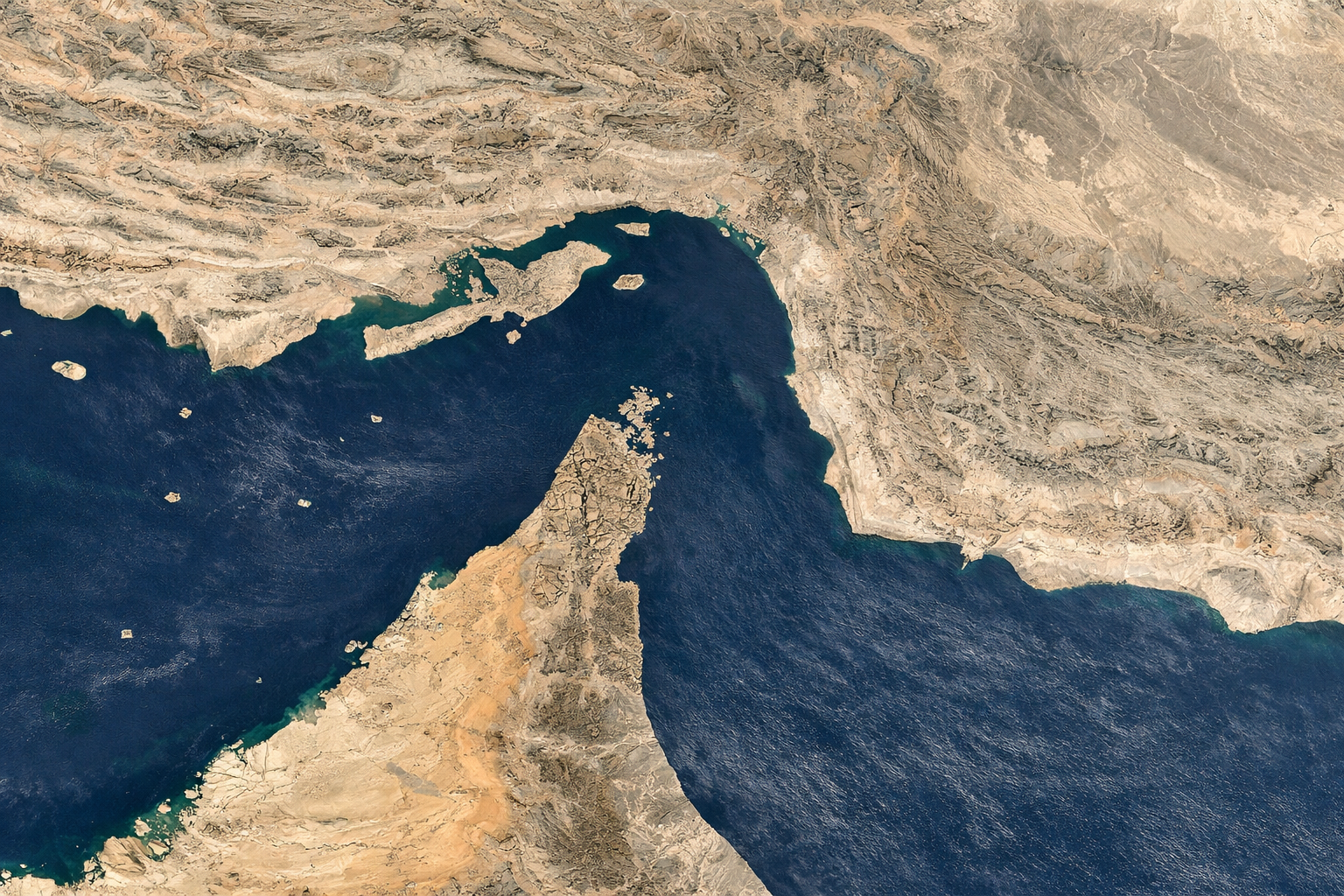
- The Strait of Hormuz is a vital waterway for international oil shipments, making its security crucial for global markets.
- The blockade represents a significant escalation in U.S.-Iran tensions, with immediate economic repercussions.
Overview
U.S. stock futures experienced a significant downturn early Monday following an announcement by President Donald Trump regarding a naval blockade of the Strait of Hormuz. This development occurred after the collapse of extensive peace talks with Iran. The market reaction was immediate and pronounced, with Dow futures plummeting by 500 points, indicating widespread investor concern.
Concurrently, global oil prices surged past $104 per barrel, reflecting anxieties over potential disruptions to oil supplies. The Strait of Hormuz is a critical chokepoint for international oil shipments, and any threat to its passage directly impacts energy markets. The blockade announcement signals a sharp escalation in tensions between the United States and Iran, with immediate economic repercussions.
Background & Context
The Strait of Hormuz is a strategically vital waterway connecting the Persian Gulf to the open ocean, through which a significant portion of the world's seaborne oil passes daily. Previous tensions in the region have historically led to volatility in oil prices and global markets. The collapse of peace talks with Iran precedes this escalation, suggesting a breakdown in diplomatic efforts to de-escalate regional disputes.
President Trump's decision to implement a naval blockade marks a significant shift in U.S. policy towards Iran, moving from diplomatic engagement to a more confrontational stance. This action is likely to be viewed by Iran as an act of aggression, further complicating an already volatile geopolitical landscape. The broader implications for regional stability and international trade are considerable.
Key Developments
The immediate financial impact was severe, with Dow futures dropping by 500 points, signaling a bearish outlook for the opening of U.S. markets. This sharp decline reflects investor apprehension regarding the economic consequences of increased geopolitical instability. The stock market's sensitivity to Middle East tensions underscores the interconnectedness of global finance and international relations.
The surge in oil prices above $104 per barrel highlights concerns about supply chain security and the potential for disruptions in oil transit through the Strait of Hormuz. Higher oil prices can lead to increased inflation and reduced consumer spending, posing risks to global economic growth. This price hike demonstrates the market's immediate pricing-in of heightened risk premiums.
Perspectives
While the article snippet does not detail specific differing viewpoints, the market's reaction clearly indicates a widespread perception of increased risk and instability. Investors are reacting to the potential for military confrontation and prolonged economic uncertainty stemming from the U.S.-Iran standoff. The blockade is likely to be seen by some as a necessary measure to exert pressure on Iran, while others may view it as an overly aggressive move that risks wider conflict.
The economic ramifications extend beyond immediate market fluctuations, potentially impacting global trade routes, insurance costs for shipping, and the overall confidence of international businesses operating in the region. The move could also prompt reactions from other global powers with vested interests in the stability of the Persian Gulf and global energy supplies.
What to Watch
Future developments will hinge on Iran's response to the blockade and the reactions of other international actors. Observers will be closely watching for any further military movements, diplomatic statements from involved parties, and the sustained impact on global oil prices and stock markets. The potential for de-escalation or further escalation remains a critical point of focus for the coming days and weeks.
Found this story useful? Share it:
Sources (1)
Ibtimes.com.au
"Trump's Hormuz Blockade Sparks 500-Point Dow Futures Drop as Oil Surges Past $104"
April 13, 2026