
Research Integration in Humanitarian Aid Explored by MSF Expert
AI-Summarized Article
ClearWire's AI summarized this story from Nature.com into a neutral, comprehensive article.
Key Points
- The article highlights the integration of academic research into humanitarian relief efforts by a Médecins Sans Frontières (MSF) expert.
- The expert's background in nursing, public policy, and social anthropology informs evidence-based aid strategies.
- The 2014 Ebola outbreak in Monrovia, Liberia, is cited as a context where research-informed interventions were crucial.
- The approach emphasizes a multidisciplinary perspective to improve health outcomes and operational effectiveness in crises.
- It advocates for bridging the gap between academic rigor and practical humanitarian aid delivery.
- The goal is to ensure aid is responsive, ethical, and informed by the best available evidence for greater impact.
Overview
This article discusses the critical role of integrating academic research and evidence-based practices into humanitarian relief operations. It highlights the perspective of an individual with a diverse background in nursing, public policy, and social anthropology, who contributes to Médecins Sans Frontières (MSF) efforts. The focus is on how rigorous research can enhance the effectiveness and ethical considerations of aid delivery, particularly in challenging environments such as the Ebola outbreak in Monrovia, Liberia, in 2014.
The narrative emphasizes the practical application of scholarly insights to improve health outcomes and operational strategies during crises. It underscores the importance of a multidisciplinary approach, combining on-the-ground experience with academic rigor. The overarching goal is to ensure that humanitarian interventions are not only responsive but also informed by the best available evidence, leading to more impactful and sustainable aid.
Background & Context
Humanitarian relief efforts often operate in complex, rapidly evolving situations where immediate action is paramount. Historically, decisions have sometimes been made based on urgency and available resources rather than comprehensive data. The Ebola outbreak in West Africa, particularly in 2014, exposed the need for more robust, evidence-based responses to global health emergencies. Organizations like MSF have been at the forefront of adapting their approaches to incorporate lessons learned and scientific findings.
This context highlights a growing recognition within the humanitarian sector that academic research can provide crucial frameworks for understanding disease transmission, community engagement, and the societal impacts of interventions. Bridging the gap between academic institutions and frontline aid organizations is essential for developing more resilient and effective humanitarian paradigms. The article implicitly suggests a shift towards more data-driven and ethically informed aid practices.
Key Developments
The individual's unique academic background in nursing, public policy, and social anthropology is presented as a key asset in this integration process. Nursing provides practical clinical knowledge, public policy offers insights into governance and systemic challenges, and social anthropology contributes to understanding cultural contexts and community dynamics. This combination allows for a holistic perspective on humanitarian crises, moving beyond purely medical responses to encompass broader societal factors.
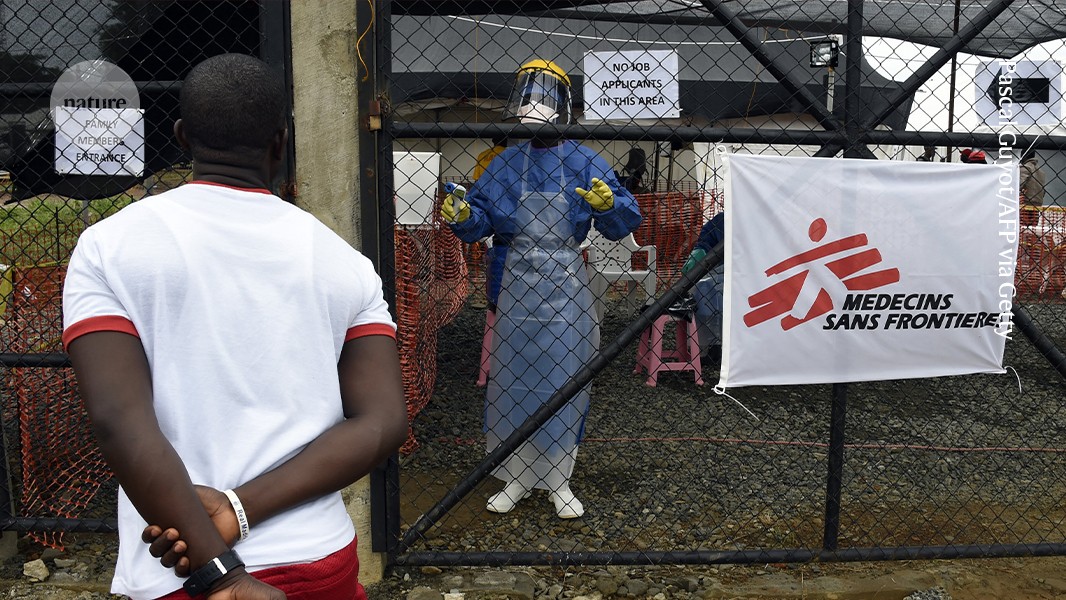
Working with MSF, the expert applies these diverse skills to inform strategies for disease control, patient care, and community outreach. The example of the Ebola treatment centre in Monrovia, Liberia, during the 2014 outbreak serves as a concrete illustration of where such research-informed approaches are vital. In such high-stakes environments, understanding local customs, public health policies, and medical best practices simultaneously can significantly improve intervention success rates and minimize unintended consequences.
Perspectives
The article implicitly advocates for a perspective where humanitarian action is viewed as an evolving field that benefits from continuous learning and adaptation. It suggests that the traditional divide between academic research and practical aid work can be effectively bridged by individuals with interdisciplinary expertise. This viewpoint challenges the notion that humanitarian aid is solely about immediate emergency response, proposing instead a model that prioritizes long-term effectiveness through evidence-based planning and implementation.
This approach aligns with a broader movement within the global health and humanitarian sectors to professionalize and standardize interventions based on scientific evidence. It emphasizes that while compassion is a driving force, informed decision-making, backed by rigorous research, is equally crucial for delivering aid that truly meets the needs of affected populations and respects their dignity.
What to Watch
Future developments in humanitarian aid are likely to involve increased partnerships between academic institutions and relief organizations. The integration of data analytics, epidemiological studies, and social science research into operational planning will be a key area to monitor. The ongoing refinement of ethical guidelines for research conducted in humanitarian settings and the development of training programs for aid workers that emphasize interdisciplinary skills will also be important trends to follow.
Found this story useful? Share it:
Sources (1)
Nature.com
"How I harness research to inform humanitarian relief efforts"
April 13, 2026