
Research Integration in Humanitarian Aid: A Critical Approach to Evidence-Based Interventions
AI-Summarized Article
ClearWire's AI summarized this story from Nature.com into a neutral, comprehensive article.
Key Points
- The article advocates for integrating research findings into humanitarian relief efforts to enhance effectiveness and accountability.
- The author's background in nursing, public policy, and social anthropology informs a holistic approach to aid challenges.
- Evidence-based interventions are crucial for adapting strategies in dynamic humanitarian settings like disease outbreaks.
- Research can inform needs assessments, program design, implementation, and evaluation, ensuring contextually appropriate aid.
- The piece emphasizes a shift towards continuous learning and critical self-reflection within the humanitarian sector.
- Future trends include formalizing research partnerships and leveraging technology for data collection and analysis in aid.
Overview
This article highlights the critical role of integrating research findings into humanitarian relief operations to enhance effectiveness and accountability. It emphasizes that humanitarian interventions, often conducted in complex and volatile environments, benefit significantly from evidence-based approaches. The author, with a diverse background in nursing, public policy, and social anthropology, argues for a systematic method of harnessing academic research to inform practical decision-making on the ground. This approach aims to move beyond anecdotal evidence, ensuring that aid efforts are tailored, efficient, and responsive to the specific needs of affected populations.
The piece underscores that while immediate crisis response is paramount, long-term impact and ethical considerations demand a rigorous understanding of context and intervention efficacy. It advocates for a continuous feedback loop where research informs practice, and practical experiences generate new research questions. This iterative process is crucial for adapting strategies in dynamic humanitarian settings, such as during disease outbreaks or conflicts. The author's personal journey illustrates how interdisciplinary knowledge can bridge the gap between academic insights and urgent operational requirements, ultimately improving outcomes for vulnerable communities.
Background & Context
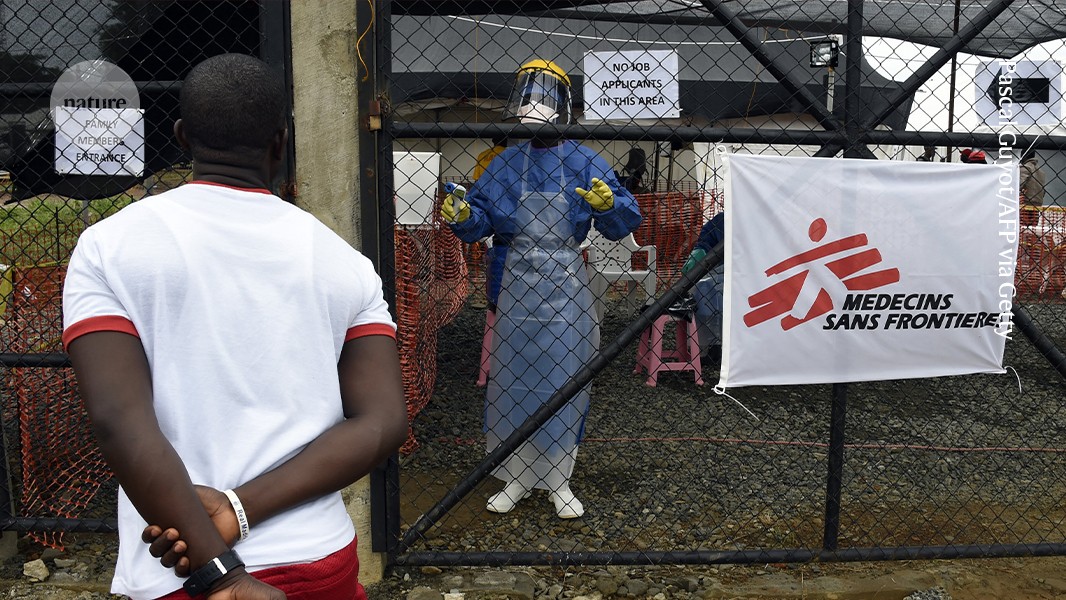
The humanitarian sector has historically relied on rapid response and established protocols, but there's a growing recognition of the need for more sophisticated, evidence-driven strategies. Traditional approaches, while effective in immediate life-saving, can sometimes lack the nuanced understanding required for sustainable solutions and prevention. The Ebola outbreak in Liberia in 2014, mentioned in the article, serves as a stark reminder of how complex health crises demand adaptable and informed responses. This period highlighted the challenges of implementing interventions without sufficient local context or robust data, leading to calls for greater research integration.
This evolving perspective is driven by a desire for increased accountability to both donors and affected populations, as well as the imperative to maximize the impact of limited resources. The article implicitly positions itself within a broader movement advocating for humanitarian innovation and the professionalization of aid work. It suggests that academic rigor, when applied thoughtfully, can transform reactive interventions into proactive, data-supported programs that address root causes and build resilience in crisis-affected regions.
Key Developments
The author's multidisciplinary background is presented as a key asset in bridging the gap between theoretical research and practical humanitarian action. Their expertise in nursing provides clinical understanding, public policy offers insights into governance and systemic issues, and social anthropology contributes a deep appreciation for cultural contexts and local dynamics. This combination allows for a holistic view of humanitarian challenges, moving beyond purely medical or logistical considerations to encompass social, political, and cultural factors that influence aid effectiveness.
The article details how research can inform various stages of humanitarian relief, from initial needs assessments and program design to implementation and evaluation. It emphasizes the importance of using qualitative and quantitative data to understand community perceptions, identify barriers to aid delivery, and assess the impact of interventions. For instance, understanding local beliefs about disease transmission or cultural practices related to healthcare can significantly improve the acceptance and efficacy of public health campaigns during epidemics. The piece also implicitly advocates for participatory research methods, ensuring that the voices and experiences of affected communities are central to the research process and subsequent interventions.
Perspectives
The article champions a perspective where humanitarian action is not solely about providing aid but also about learning and adapting based on rigorous inquiry. This contrasts with a purely operational mindset that might prioritize speed over evidence-gathering. The author's viewpoint suggests that investing in research, even during emergencies, is not a luxury but a necessity for ethical and effective aid. It implies a shift in the humanitarian paradigm, where organizations are encouraged to cultivate internal research capacities or forge stronger partnerships with academic institutions.
This approach also implicitly addresses the ethical imperative of 'do no harm' by ensuring interventions are not only well-intentioned but also contextually appropriate and demonstrably beneficial. It promotes a culture of continuous improvement and critical self-reflection within the humanitarian sector, moving towards greater transparency and evidence-based decision-making. The integration of diverse academic disciplines further enriches this perspective, fostering a comprehensive understanding of human suffering and the most effective ways to alleviate it.
What to Watch
Future developments in humanitarian aid will likely see an increased emphasis on formalizing research partnerships and developing standardized methodologies for evidence integration. The sector will continue to explore how technology and data analytics can enhance real-time data collection and analysis in complex environments. Attention will also be on how humanitarian organizations adapt their operational structures to better accommodate research functions and foster a culture of learning and adaptation, particularly in response to evolving global crises like climate-induced disasters and protracted conflicts.
Found this story useful? Share it:
Sources (1)
Nature.com
"How I harness research to inform humanitarian relief efforts"
April 13, 2026