
Analysis: US Economic and Kinetic Actions Against Iran and Their Impact on Energy Markets
AI-Summarized Article
ClearWire's AI summarized this story from Antiwar.com into a neutral, comprehensive article.
Key Points
- US actions against Iran, including economic sanctions and kinetic engagements, were influenced by figures like Benjamin Netanyahu.
- The article distinguishes between ongoing economic warfare and direct military (kinetic) actions against Iran.
- US policies, particularly sanctions on oil exports, significantly disrupted global energy supplies and increased consumer costs.
- The interventions are described as creating market instability, impacting the global "law of one price" for commodities.
- The analysis critiques US foreign policy towards Iran, highlighting its detrimental economic fallout for global energy consumers.
Overview
This article examines the significant economic and kinetic actions taken by the United States against Iran, particularly during the Trump administration, and their broader implications, especially for global energy markets. The analysis suggests that these actions, including the withdrawal from the Iran nuclear deal and subsequent sanctions, were influenced by figures such as Benjamin Netanyahu. The primary focus is on how these policies, characterized as both economic warfare and kinetic engagements, have disrupted energy supplies and impacted consumer prices. The piece argues that such interventions carry substantial economic consequences beyond their immediate geopolitical objectives.
The initial engagement described involves a direct military confrontation, termed a "kinetic war," which is distinguished from the ongoing economic pressures. This dual approach signifies a multifaceted strategy aimed at Iran, with repercussions extending to international trade and resource availability. The article posits that these actions contribute to market instability, affecting the global "law of one price" for commodities like oil. The overarching theme is the unintended and often detrimental economic fallout of foreign policy decisions on energy consumers worldwide.
Background & Context
The United States' relationship with Iran has been fraught with tension for decades, marked by periods of sanctions and geopolitical rivalry. A pivotal moment was the 2015 Joint Comprehensive Plan of Action (JCPOA), a multinational agreement designed to limit Iran's nuclear program in exchange for sanctions relief. However, the Trump administration withdrew from this agreement in 2018, reinstating and expanding sanctions against Iran's oil exports, banking sector, and other key industries. This move was reportedly influenced by Israeli Prime Minister Benjamin Netanyahu, who advocated for a tougher stance against Tehran.
The re-imposition of sanctions aimed to cripple Iran's economy and force it to renegotiate the nuclear deal on terms more favorable to the US. This economic pressure was complemented by occasional military confrontations, creating a volatile environment in the Middle East. The article frames these actions as a deliberate campaign, with both economic and military components, designed to exert maximum pressure on the Iranian regime. This historical context is crucial for understanding the motivations and mechanisms behind the described impacts on energy markets.
Key Developments
One key development highlighted is the direct military engagement, referred to as a "kinetic war," which occurred alongside the existing economic sanctions. This suggests an escalation beyond purely economic measures, indicating a more aggressive posture. The article emphasizes that these actions were a direct response to perceived provocations or strategic interests, influenced by external advisors.
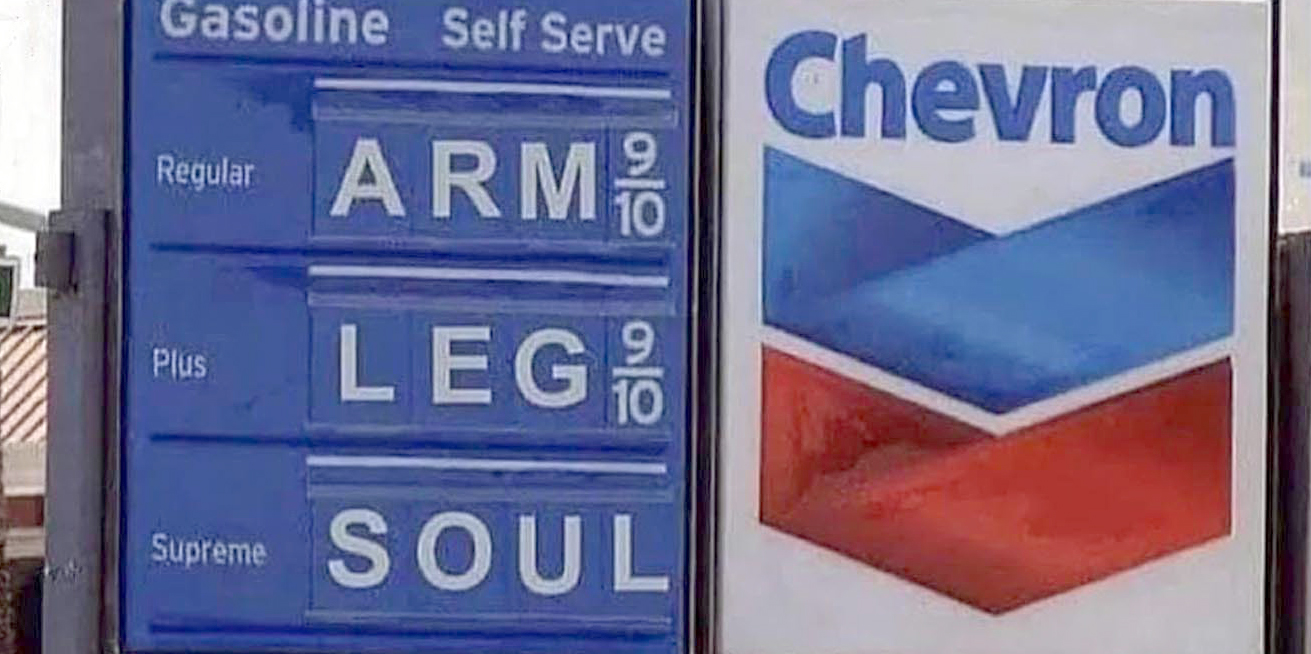
Furthermore, the analysis points to the significant disruption caused by these policies to global energy supplies. Sanctions targeting Iran's oil exports removed a substantial amount of crude oil from the international market, leading to price volatility. This reduction in supply, coupled with geopolitical uncertainty, directly impacts the "market law of one price," making energy more expensive for consumers globally. The article implies that such interventions are not isolated but have cascading effects across the interconnected global economy.
Perspectives
The article implicitly presents a critical perspective on US foreign policy towards Iran, suggesting that the actions taken were ill-advised and had significant negative consequences for energy consumers. It frames the intervention as plunging into a "hornets nest," indicating a problematic and potentially self-defeating strategy. The influence of figures like Benjamin Netanyahu on US policy decisions is highlighted, suggesting an external impetus for these aggressive stances.
While not explicitly stating differing viewpoints from various stakeholders, the article's tone implies a critique of the economic and kinetic warfare, focusing on its detrimental impact on global markets and ordinary consumers. It suggests that the geopolitical objectives, whatever they may be, come at a substantial cost to economic stability and affordability of essential resources. This perspective underscores the interconnectedness of geopolitics and global economics.
What to Watch
Future developments will likely hinge on the ongoing US-Iran relationship, particularly any shifts in sanctions policy or potential diplomatic engagements. Observers should monitor global oil prices and supply chain stability, as these remain highly sensitive to geopolitical tensions in the Middle East. Any changes in regional alliances or leadership in key nations could also influence the trajectory of these economic and kinetic pressures and their broader market impacts.
Found this story useful? Share it:
Sources (1)
Antiwar.com
"The Market Law of One Price – How the Donald Bombed Energy Consumers, Too"
April 13, 2026