
DisplayPort vs. HDMI: Addressing Overlooked Bottlenecks in PC Gaming Performance
AI-Summarized Article
ClearWire's AI summarized this story from XDA Developers into a neutral, comprehensive article.
Key Points
- PC gaming performance bottlenecks can stem from overlooked elements like monitor cables and display output ports, not just CPU/GPU.
- Switching from HDMI to DisplayPort can resolve unrecognized bottlenecks, improving refresh rates and overall gaming experience.
- DisplayPort generally offers higher bandwidth and advanced features tailored for PC gaming compared to many HDMI versions.
- Many users unknowingly limit their hardware's potential by using older HDMI cables or ports that don't support modern display capabilities.
- The experience highlights the need for a holistic approach to PC optimization, including careful selection of display connections.
- As display technology advances, choosing the correct display interface will be crucial for maximizing gaming performance.
Overview
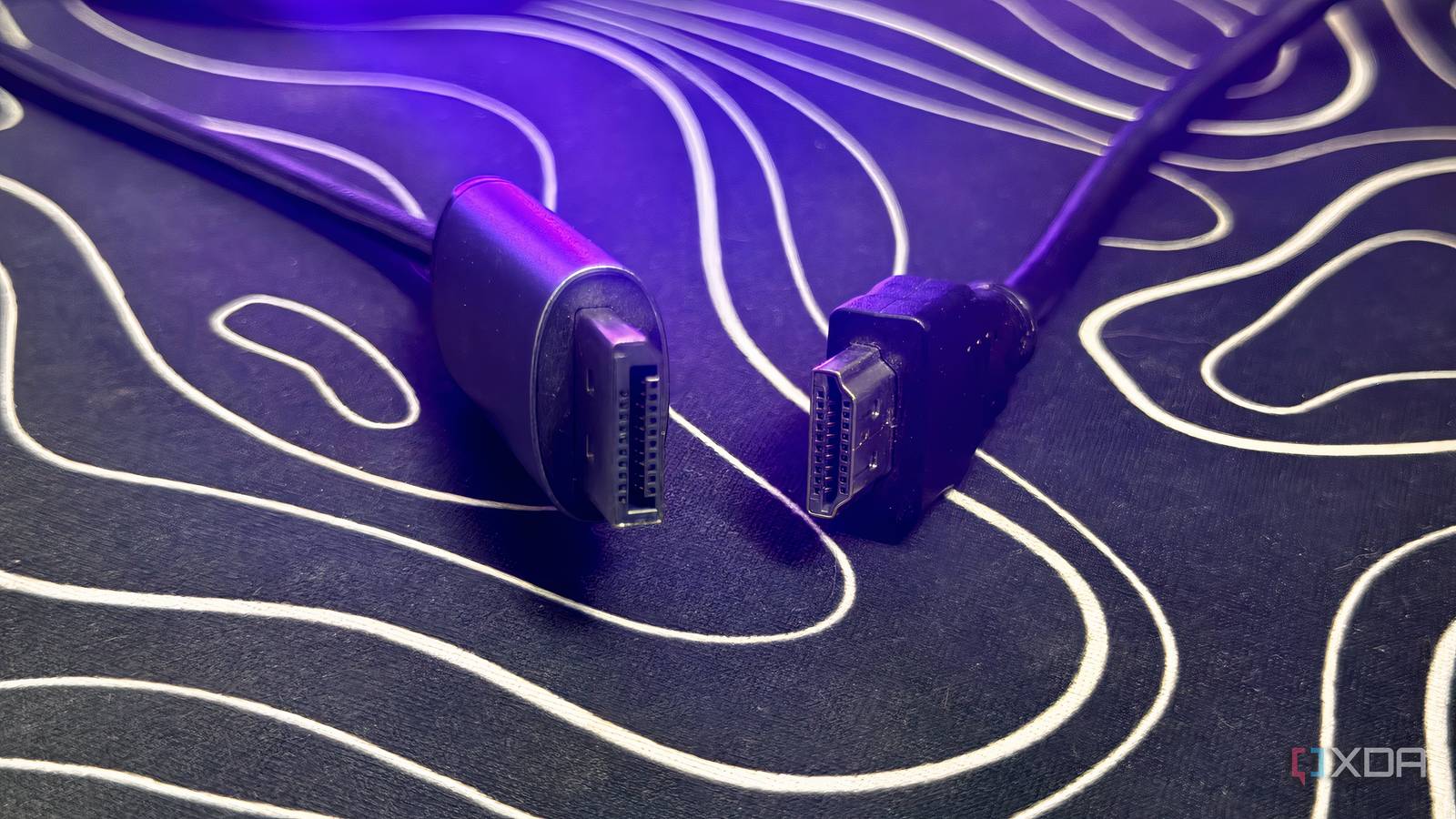
PC gamers often focus on components like the CPU, GPU, and software when troubleshooting performance issues, but less obvious elements such as the monitor cable and display output port can significantly impact system efficiency. A recent report highlights that switching from HDMI to DisplayPort can resolve previously unrecognized bottlenecks, leading to improved gaming experiences. This issue affects users who might be unknowingly limiting their hardware's potential due to outdated or less optimal display connections.
The core problem stems from the varying capabilities of different display interface standards. While both HDMI and DisplayPort transmit audio and video, they differ in bandwidth, supported refresh rates, resolutions, and advanced features crucial for high-performance gaming. Many users might default to HDMI, especially with older monitors or consoles, without realizing that it could be a limiting factor for modern graphics cards and high-refresh-rate displays. The discovery emphasizes the importance of evaluating all components in a gaming setup, including seemingly minor accessories.
Background & Context
HDMI (High-Definition Multimedia Interface) has been a prevalent standard for connecting various multimedia devices, including PCs, TVs, and gaming consoles, since its introduction in 2002. It is widely adopted due to its simplicity and broad compatibility. DisplayPort, introduced in 2006 by the Video Electronics Standards Association (VESA), was designed specifically for computer displays, offering higher bandwidth and more advanced features tailored for PC graphics cards and professional monitors.
Over the years, both standards have evolved with new versions (e.g., HDMI 2.0, 2.1; DisplayPort 1.4, 2.0), each offering increased capabilities. However, many users continue to use older cable versions or ports that may not support the full potential of their contemporary hardware. This discrepancy can lead to situations where a powerful GPU is paired with a high-refresh-rate monitor, but the connecting cable prevents the system from achieving its advertised performance, manifesting as lower frame rates or reduced visual fidelity.
Key Developments
The experience detailed in the report illustrates a common scenario where a user upgraded their primary PC components but overlooked the display connection. The user's system, despite having a powerful GPU and a high-refresh-rate monitor, was not delivering expected performance. Upon switching from an HDMI connection to DisplayPort, significant improvements were observed, indicating that the HDMI cable or port was acting as an unforeseen bottleneck. This change unlocked the full potential of the display's refresh rate and resolution capabilities.
Specifically, DisplayPort often supports higher refresh rates at higher resolutions compared to equivalent HDMI versions, especially in older iterations of the standards. It also offers features like Adaptive Sync (FreeSync), which is crucial for tear-free gaming, more natively and broadly than HDMI's variable refresh rate (VRR) implementations. The switch effectively removed a data transfer limitation, allowing the graphics card to send more frames per second to the monitor, resulting in a smoother and more responsive gaming experience.
Perspectives
The reported experience underscores a broader implication for PC enthusiasts and general users: the importance of a holistic approach to system optimization. While CPU, GPU, and RAM are critical, peripherals and connectivity standards should not be underestimated. Manufacturers of graphics cards and monitors typically equip their products with the latest DisplayPort and HDMI versions, but users might not always utilize the most capable connection available, especially if they are reusing older cables or are unfamiliar with the technical differences.
This situation highlights a knowledge gap among some users regarding the nuances of display technologies. The industry could benefit from clearer guidance on optimal connectivity choices, particularly as display resolutions and refresh rates continue to increase. Educating consumers on how to identify and resolve such bottlenecks can significantly enhance user satisfaction and ensure that hardware investments yield their intended performance.
What to Watch
As display technology continues to advance, with higher resolutions (e.g., 8K) and refresh rates becoming more common, the capabilities of display interfaces will remain a critical factor. Users building or upgrading gaming PCs should pay close attention to the specifications of both their monitor and graphics card ports, as well as the version of the cables they purchase. Future developments in DisplayPort and HDMI standards will continue to push bandwidth limits, making informed choices about connectivity ever more important for maximizing performance.
Found this story useful? Share it:
Sources (1)
XDA Developers
"I switched from HDMI to DisplayPort and fixed PC gaming bottlenecks I didn't know I had"
April 12, 2026