
Scottish Independence Referendum: Swinney Suggests 2028 Vote Amid UK Government Opposition
AI-Summarized Article
ClearWire's AI summarized this story from BBC News into a neutral, comprehensive article.
Key Points
- Scotland's First Minister John Swinney suggested a second independence referendum could be held by 2028.
- Any Scottish independence referendum requires formal approval from the UK government to be legally valid.
- UK Prime Minister Sir Keir Starmer stated he cannot foresee a vote during his potential time in office.
- The 2014 Scottish independence referendum saw 55% vote to remain part of the United Kingdom.
- The Scottish National Party (SNP) continues to advocate for independence, citing changed circumstances since 2014.
Overview
Scotland's First Minister John Swinney has indicated that a second Scottish independence referendum could potentially be held by 2028. This statement emerged during a leaders' debate, outlining a potential timeline for a vote on Scotland's future within the United Kingdom. However, any such referendum would require formal approval from the UK government, which has consistently opposed another vote. The prospect of a 2028 referendum sets a clear, albeit ambitious, target for the Scottish National Party (SNP).
This declaration comes amidst ongoing political discussions regarding Scotland's constitutional status following Brexit and previous independence referendums. The SNP-led Scottish government maintains that a new mandate for independence has been established through recent election results. The proposed timeline highlights the continued divergence in constitutional aspirations between Edinburgh and London, setting the stage for future political contention.
Background & Context
The question of Scottish independence has been a central theme in Scottish politics for decades, with a significant referendum held in 2014 where 55% voted to remain part of the UK. The Scottish National Party's platform consistently includes a commitment to holding another independence vote. This commitment has intensified following the UK's departure from the European Union, a decision largely opposed by Scottish voters.
The legal framework for a Scottish independence referendum requires a Section 30 order from the UK Parliament, granting temporary powers to the Scottish Parliament to legislate for a vote. Without this order, any referendum would lack legal standing and would not be recognized by the UK government. This legal necessity forms the primary hurdle for the Scottish government's independence aspirations.
Key Developments
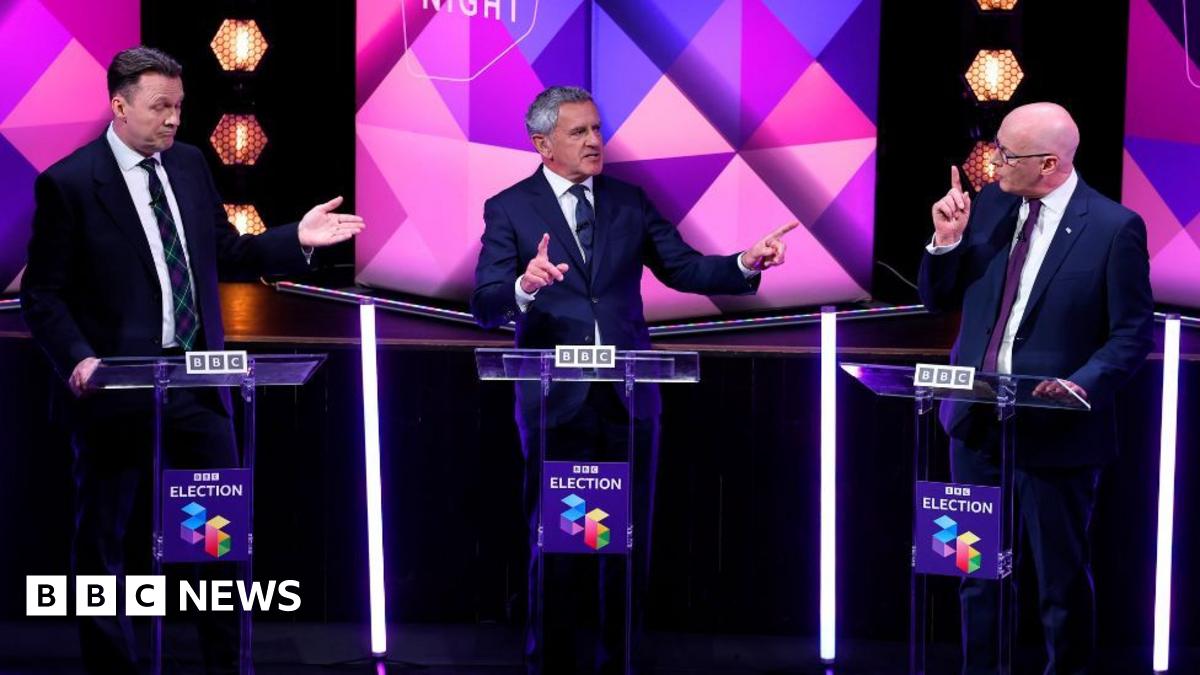
First Minister John Swinney explicitly mentioned 2028 as a possible year for a second independence referendum during a televised leaders' debate. This timeframe provides a concrete, albeit conditional, target for the independence movement. His statement reflects the SNP's continued strategic planning for a future vote, despite the current political obstacles.
In direct contrast, UK Prime Minister Sir Keir Starmer has publicly stated his inability to envision another independence referendum occurring during his potential tenure at 10 Downing Street. This firm stance from the leader of the Labour Party, currently the leading opposition and potential next government, underscores the significant political barrier facing the Scottish government's plans. Starmer's position aligns with the Conservative government's previous refusals to grant a Section 30 order.
Perspectives
The Scottish government, led by the SNP, views a second independence referendum as a democratic imperative, citing mandates from Scottish parliamentary elections. They argue that circumstances, particularly Brexit, have fundamentally changed since the 2014 vote, warranting a new assessment of Scotland's constitutional future. The proposed 2028 timeline reflects their ongoing commitment to this path.
Conversely, the UK government, regardless of which party is in power, maintains that the 2014 referendum was a 'once-in-a-generation' event and that the focus should remain on addressing current challenges within the UK. This fundamental disagreement on the timing and legitimacy of another vote highlights the deep constitutional divide between the two governments, with no immediate resolution in sight.
What to Watch
Future developments will hinge on the outcome of upcoming UK general elections and the subsequent stance of the new UK government regarding a Section 30 order. The Scottish government will likely continue to press for a referendum, potentially seeking to build public support and international recognition for their cause. The political landscape in both Scotland and the wider UK will dictate the feasibility and timing of any future independence vote. The actions and statements of both the Scottish and UK governments will be crucial indicators of progress or continued deadlock on this issue.
Found this story useful? Share it:
Sources (1)
BBC News
"Scottish leaders debate: Swinney says independence referendum could be held in 2028"
April 12, 2026