
NYC's Tallest Buildings Shaped by 1916 Zoning Law Requiring Setbacks
AI-Summarized Article
ClearWire's AI summarized this story from Laughingsquid.com into a neutral, comprehensive article.
Key Points
- New York City's 1916 Zoning Resolution mandated building setbacks to prevent excessive shadows and ensure light and air.
- The law required taller buildings to recede from the street as they ascended, shaping the city's iconic stepped-back architecture.
- The construction of the Equitable Building in 1915, which cast a large shadow, was a key catalyst for the zoning law.
- This regulation aimed to mitigate negative impacts of unchecked skyscraper growth on street-level conditions.
- The 1916 resolution fundamentally influenced urban development and the aesthetic of Manhattan's skyline for decades.
Overview
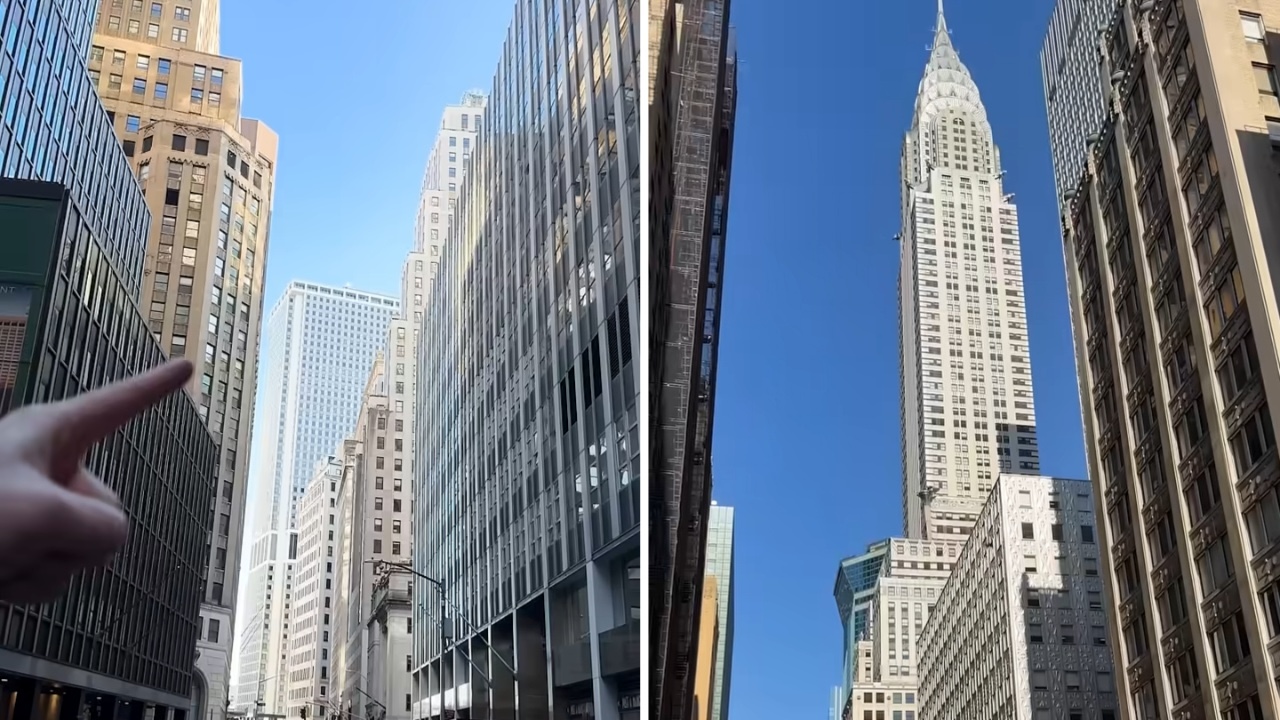
New York City's distinctive skyscraper architecture, characterized by its iconic stepped-back designs, is a direct result of the 1916 Zoning Resolution. This landmark legislation mandated that as buildings increased in height, they had to recede from the street level. The primary purpose of this regulation was to prevent new, towering structures from casting perpetual shadows over the city's streets and public spaces, ensuring adequate light and air circulation. This foundational zoning law significantly influenced urban development and the aesthetic of Manhattan's skyline for decades.
Jared Ebersole of Lectec provided insights into this historical urban planning decision. The law effectively curtailed the construction of sheer, monolithic towers that could block natural light and create canyon-like streetscapes. Instead, it encouraged designs that tapered upwards, allowing sunlight to reach the lower levels and streets below. This regulatory framework remains a crucial element in understanding the visual and functional aspects of New York City's architectural landscape.
Background & Context
Before 1916, New York City experienced a rapid surge in skyscraper construction, often resulting in buildings that rose straight up from the property line. This unbridled vertical growth led to legitimate concerns about the quality of life on the streets below. Retailers, residents, and urban planners worried about the loss of natural light, the creation of dark and gloomy thoroughfares, and the potential impact on public health and safety due to reduced visibility.
The specific impetus for the 1916 Zoning Resolution was the construction of the Equitable Building in 1915. This massive, 40-story structure rose straight up from its lot lines, casting a seven-acre shadow that reportedly darkened streets and neighboring buildings for much of the day. This extreme example served as a powerful catalyst, demonstrating the urgent need for comprehensive zoning regulations to manage urban density and preserve essential public amenities like light and air.
Key Developments
The 1916 Zoning Resolution introduced the concept of 'setbacks,' requiring buildings to recede from the street at certain heights. This innovative approach allowed for continued vertical growth while mitigating its negative consequences. The law established specific ratios for how much a building could rise vertically before needing to step back, effectively shaping the iconic ziggurat or wedding-cake appearance of many early 20th-century skyscrapers.
This regulation not only influenced individual building designs but also fundamentally altered the urban fabric of New York City. It encouraged architects to incorporate terraces, open spaces, and varied facades into their designs, contributing to a more dynamic and visually interesting skyline. The law's principles were revolutionary for their time, setting a precedent for urban planning that balanced development with environmental and public welfare considerations.
Perspectives
The 1916 Zoning Resolution was widely seen as a progressive and necessary measure to address the challenges of rapid urbanization. It represented a significant shift in urban planning philosophy, moving from unchecked development to a more regulated and thoughtful approach. While it imposed restrictions on developers, it ultimately contributed to a more livable and aesthetically pleasing city, which benefited both businesses and residents.
From an architectural standpoint, the setback requirements fostered a unique design language that became synonymous with New York City. It challenged architects to innovate within the new constraints, leading to creative solutions that integrated form and function. The law's long-term impact is evident in the enduring character and distinct silhouette of Manhattan's urban core, making it a globally recognized example of planned vertical growth.
What to Watch
The foundational principles of the 1916 Zoning Resolution continue to influence New York City's urban planning and architectural guidelines today. While subsequent zoning updates have introduced new complexities and incentives, the core idea of managing building height and massing to ensure light and air remains relevant. Future developments will likely continue to balance the city's need for growth with the preservation of its unique urban environment and quality of life for its inhabitants.
Found this story useful? Share it:
Sources (1)
Laughingsquid.com
"Why the Tallest Buildings in New York City Are Built on the Widest Streets"
April 14, 2026