
Inquest Hears Soham Murderer Ian Huntley Died from Head Injury in Prison Attack
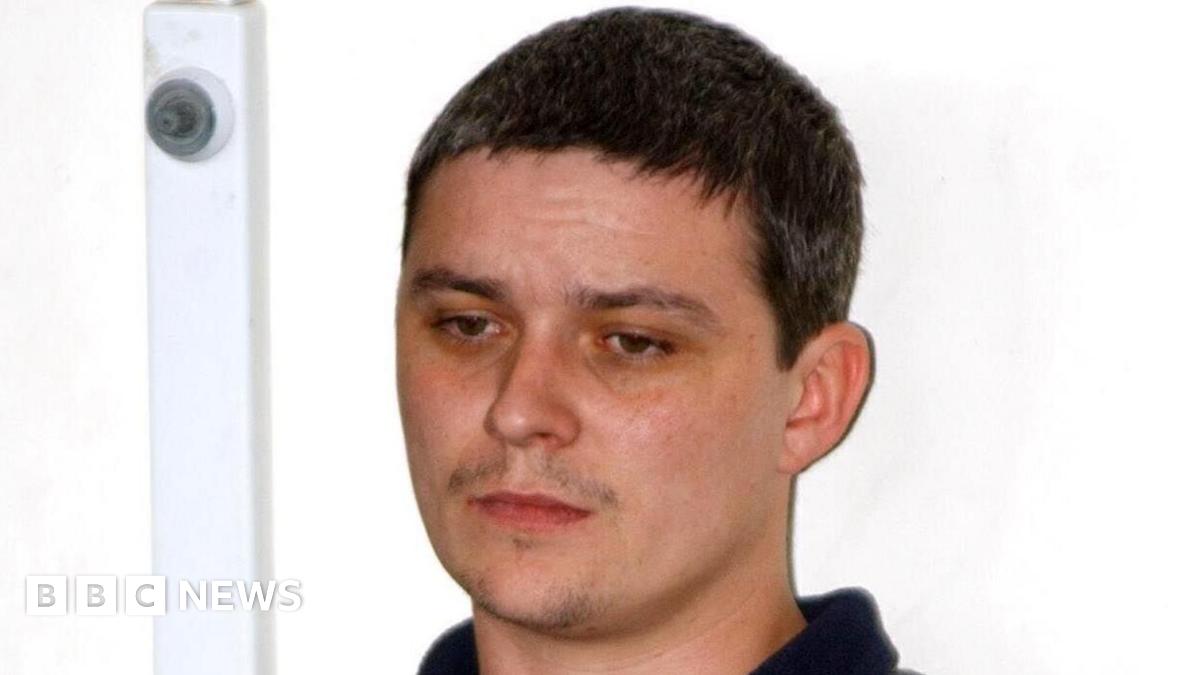
AI-Summarized Article
ClearWire's AI summarized this story from BBC News into a neutral, comprehensive article.
Key Points
- Soham murderer Ian Huntley died from a blunt head injury, an inquest has heard.
- The 52-year-old was attacked with a metal bar at HMP Frankland in Durham.
- Huntley was serving two life sentences for the 2002 murders of Holly Wells and Jessica Chapman.
- The inquest aims to establish the precise cause and circumstances of his death in custody.
- The incident raises questions about security and inmate management within high-security prisons.
Overview
An inquest has revealed that Ian Huntley, the convicted Soham murderer, died as a result of a blunt head injury sustained during an attack at HMP Frankland in Durham. The 52-year-old inmate was reportedly struck multiple times with a metal bar during the incident. This development comes as part of the official inquiry into the circumstances surrounding his death while incarcerated.
The inquest aims to establish the precise cause of death and the sequence of events leading up to the fatal injury. Such proceedings are standard practice for deaths occurring in state custody, ensuring transparency and accountability. The findings will contribute to the public record regarding the incident within the high-security prison environment.
Background & Context
Ian Huntley was convicted in 2003 for the murders of 10-year-old Holly Wells and Jessica Chapman in Soham, Cambridgeshire, in August 2002. His crimes shocked the nation and led to widespread public outrage. He was serving two life sentences, with a recommendation that he never be released, at HMP Frankland, a Category A prison known for housing some of the UK's most dangerous offenders.
His incarceration has been marked by several incidents, including previous attacks and attempts on his own life. The high-profile nature of his crimes and his subsequent imprisonment have kept him a figure of public interest, particularly concerning prison safety and the management of high-risk inmates. This latest incident adds to the scrutiny of prison conditions and security measures.
Key Developments
The inquest heard that the fatal injury was a blunt force trauma to the head. Details presented indicated that Huntley was attacked with a metal bar, suggesting a premeditated or severely violent assault. The specific number of blows and the exact nature of the weapon are subject to further examination and testimony during the inquest proceedings.
The HMP Frankland facility is one of the most secure prisons in the UK, designed to prevent such serious assaults. The fact that a metal bar was used and that Huntley sustained a fatal injury raises questions about security protocols and inmate supervision within the high-security environment. Investigations into how the weapon was acquired or fashioned, and how the attack was allowed to occur, are likely to be central to the inquest's findings.
Perspectives
The primary perspective emerging from the inquest is the factual determination of the cause of death. The proceedings are designed to be impartial, focusing on evidence and testimony to establish what happened. Broader implications may include discussions around prison safety, the management of high-risk prisoners, and the effectiveness of current security measures in preventing serious violence within correctional facilities.
While the public reaction to Huntley's death may be varied given the nature of his crimes, the inquest's role is strictly to ascertain the facts surrounding his demise. The focus remains on the procedural aspects of a death in custody, ensuring that due process is followed regardless of the deceased's past.
What to Watch
The inquest is ongoing, and further details regarding the attack, including potential witnesses or forensic evidence, are expected to emerge. Future sessions will likely hear testimony from prison staff, medical professionals, and potentially other inmates. The final verdict of the inquest will provide an official account of the circumstances of Ian Huntley's death, potentially leading to recommendations for prison service policy or practice.
Found this story useful? Share it: