
IndyCar Seeks Replacement for Aging Dallara DW12 Chassis Ahead of 2027 Season
AI-Summarized Article
ClearWire's AI summarized this story from Jalopnik into a neutral, comprehensive article.
Key Points
- IndyCar plans to replace its Dallara DW12 chassis, in use since 2012, with a new car for the 2027 season.
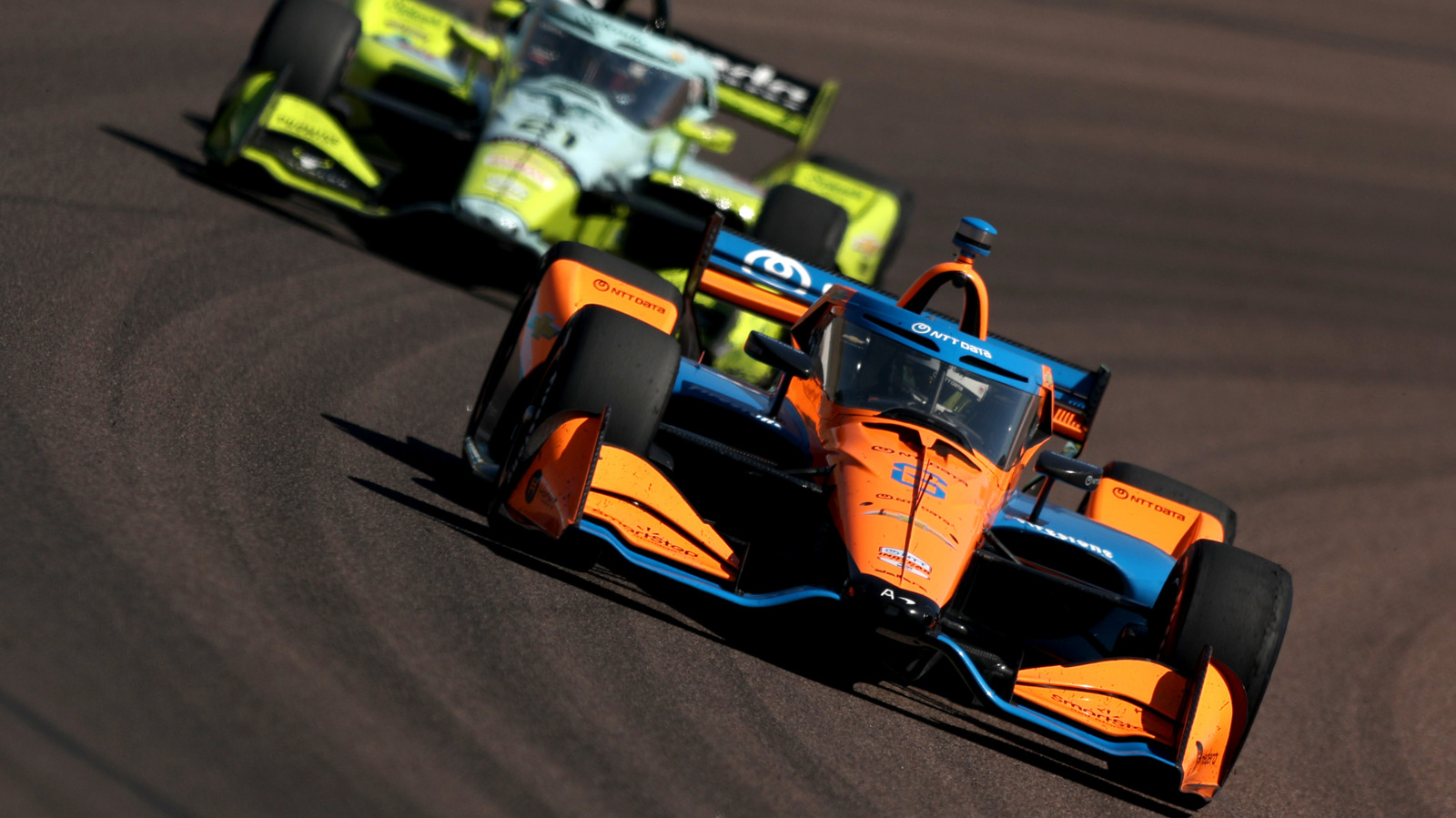
- The current DW12 chassis has undergone numerous updates, including universal aero kits and the aeroscreen safety device.
- IndyCar President Jay Frye confirmed the 2027 target for the new chassis introduction.
- The new design aims to incorporate advanced safety features, optimized aerodynamics, and potentially new powertrain technologies.
- The transition seeks to modernize the series, enhance safety, and maintain competitiveness within global motorsports.
- Key future developments include manufacturer selection, technical specifications, and prototype testing ahead of the 2027 debut.
Overview
IndyCar is actively pursuing a replacement for its current Dallara DW12 chassis, which has been in service since the 2012 season. The racing series aims to introduce a new car for the 2027 season, marking the end of the DW12's 14-year tenure. This initiative reflects a strategic decision to modernize the series' primary vehicle, addressing evolving safety standards, performance requirements, and technological advancements in motorsports. The process involves significant planning and collaboration with potential manufacturers and engineering firms to design a chassis that will define the next era of IndyCar racing.
The current DW12 chassis, initially hailed as a significant upgrade from its predecessor, the IR-05, has undergone numerous modifications over its lifespan. These updates include the introduction of universal aero kits and the aeroscreen safety device, demonstrating IndyCar's commitment to continuous improvement. However, the core structure remains largely unchanged, prompting the need for a comprehensive overhaul. The series leadership recognizes the importance of a fresh design to maintain competitiveness, enhance driver safety, and appeal to a broader audience.
Background & Context
The Dallara DW12 was introduced for the 2012 IndyCar season, replacing the IR-05 chassis which had been in use for seven seasons and was considered outdated and less safe. The DW12 brought significant advancements in safety and performance at the time, establishing itself as a robust platform for the series. Its longevity, however, has become a point of discussion, with the series now looking to innovate beyond incremental updates.
Over its operational period, the DW12 has seen various iterations, including the development of manufacturer-specific aero kits, which were later replaced by a universal aero kit to standardize performance and reduce costs. More recently, the integration of the aeroscreen cockpit protection system in 2020 represented a major safety enhancement. These modifications underscore a history of adapting the chassis to contemporary demands, yet the fundamental design is approaching its practical limits for further evolution.
Key Developments
IndyCar President Jay Frye has confirmed the series' intention to replace the DW14 chassis by the 2027 season. This timeline allows for a thorough design, development, and testing phase, crucial for introducing a new car into a high-performance racing environment. The series is currently in the initial stages of this process, evaluating potential design philosophies and technological integrations.
One of the primary considerations for the new chassis is the incorporation of advanced safety features, building upon the success of the aeroscreen. Additionally, there is a focus on optimizing aerodynamics and potentially integrating new powertrain technologies, including hybrid systems, which are already slated for introduction with the current chassis. The goal is to create a car that is not only faster and safer but also more sustainable and relevant to future automotive trends.
Perspectives
The decision to replace the DW12 chassis is largely viewed as a necessary step for the progression of the IndyCar series. Stakeholders, including teams, drivers, and fans, generally anticipate the introduction of a new car with enthusiasm, recognizing the potential for renewed excitement and technological advancement. The current chassis, despite its reliability, is often perceived as having reached its performance ceiling, making a fresh design imperative for future growth.
While the specific details of the new chassis are yet to be revealed, the overarching sentiment is that a modern car will help IndyCar remain competitive with other global racing series. The challenge lies in balancing innovation with cost control, ensuring that the new platform is accessible and sustainable for all teams. The series leadership is tasked with delivering a design that excites while maintaining the core identity and competitive balance of IndyCar racing.
What to Watch
Key developments to monitor include official announcements regarding the chosen manufacturer or design firm for the new chassis, expected to emerge in the coming months. Further details on the car's technical specifications, including potential changes to engine regulations or aerodynamic philosophies, will be critical. The timeline for prototype development and testing will also provide insights into the progress towards the targeted 2027 debut.
Found this story useful? Share it:
Sources (1)
Jalopnik
"IndyCar Is Rushing To Replace Its 14-Year-Old Dallara Chassis"
April 15, 2026