
Maine Enacts Nation's First Statewide Moratorium on Energy-Intensive Data Centers
AI-Summarized Article
ClearWire's AI summarized this story from Abcnews.com into a neutral, comprehensive article.
Key Points
- Maine is set to enact the nation's first statewide moratorium on new energy-intensive data centers.
- The yearlong pause aims to study the industry's energy demands, environmental impact, and develop regulations.
- The move reflects growing political resistance to the rapid expansion of large data center facilities.
- Data centers consume vast amounts of electricity, raising concerns about energy grids and carbon emissions.
- Environmental groups support the moratorium, while some industry figures express concerns about investment.
- The decision could set a precedent for other states grappling with data center growth challenges.
Overview
Maine has moved to implement the nation's first statewide moratorium on new energy-intensive data centers, signaling growing political resistance to the rapid expansion of these facilities. The legislative action, which includes a yearlong pause on new developments, was prompted by concerns over the substantial energy demands and environmental impact of these large-scale structures. This decision positions Maine as a pioneer in addressing the challenges posed by the burgeoning data center industry at a state level.
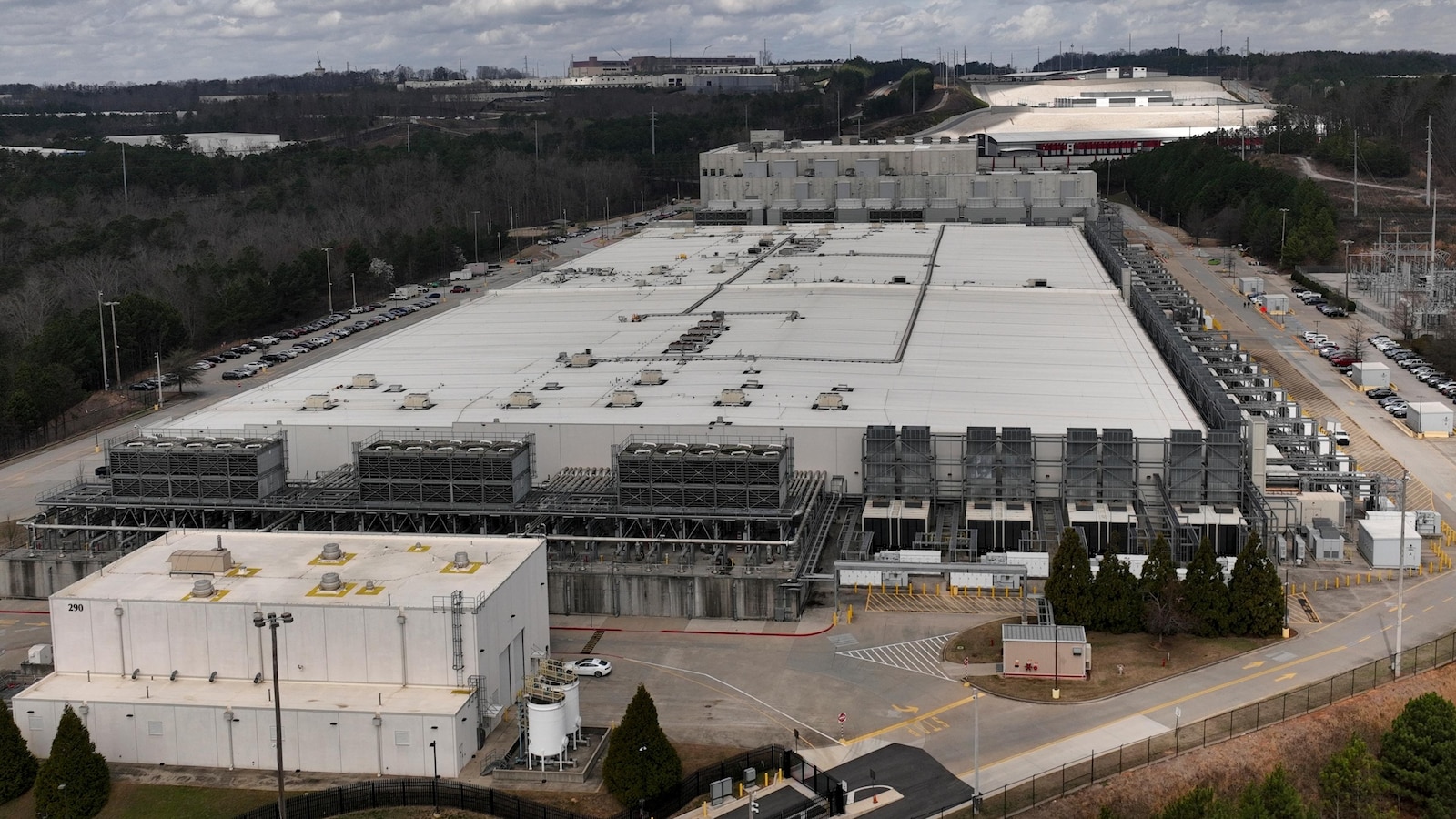
The moratorium comes as tech giants continue to build massive data centers, which are essential for cloud computing, AI, and data storage but consume vast amounts of electricity. Lawmakers and environmental advocates in Maine are seeking to balance technological advancement with environmental sustainability and local resource protection. The measure aims to provide time for state officials to study the industry's implications and develop comprehensive regulations.
Background & Context
The proliferation of data centers has become a global phenomenon, driven by the increasing demand for digital services. These facilities often require significant land, water for cooling, and, most notably, immense quantities of electricity, frequently equivalent to that of small cities. While offering economic benefits through job creation and investment, their environmental footprint, particularly concerning energy consumption and carbon emissions, has drawn scrutiny.
States like Virginia and Arizona have experienced rapid data center growth, leading to debates over resource allocation and infrastructure strain. Maine's proactive stance reflects a broader national conversation about managing the environmental and infrastructural challenges associated with digital infrastructure expansion. The state's action could set a precedent for other regions grappling with similar concerns.
Key Developments
The Maine Legislature passed the moratorium, which now awaits the governor's signature to become law. This legislative move specifically targets data centers that consume large amounts of energy, differentiating them from smaller, less impactful facilities. The yearlong pause is intended to allow state agencies, utilities, and stakeholders to conduct thorough assessments of the industry's demands and potential impacts on Maine's energy grid and natural resources.
Proponents of the moratorium emphasize the need for a strategic approach to data center development, ensuring that growth aligns with Maine's environmental goals and energy infrastructure capabilities. They highlight the importance of safeguarding the state's natural beauty and mitigating climate change. The legislation also aims to prevent unchecked development that could strain existing power supplies and raise electricity costs for residents and businesses.
Perspectives
Environmental groups and some community organizations have largely supported the moratorium, viewing it as a crucial step towards sustainable development. They argue that without proper oversight, data centers could undermine Maine's efforts to transition to renewable energy and reduce its carbon footprint. Concerns also include potential impacts on water resources and local ecosystems.
Conversely, some industry representatives and economic development advocates have expressed reservations, suggesting that the moratorium could deter technological investment and job creation in the state. They often emphasize the economic benefits and the essential role data centers play in the digital economy. However, the prevailing sentiment among Maine lawmakers appears to prioritize a cautious, well-regulated approach to this industry's expansion.
What to Watch
The moratorium's implementation hinges on the governor's final approval, which is widely anticipated. Following its enactment, state agencies will embark on a yearlong study to analyze the energy, environmental, and economic implications of data centers. This period will be critical for developing a comprehensive regulatory framework that could influence future data center policies not only in Maine but potentially across other states facing similar challenges.
Found this story useful? Share it:
Sources (1)
Abcnews.com
"The data center boom meets resistance in Maine as lawmakers pass a yearlong moratorium"
April 15, 2026