Taoiseach Criticises Opposition Leaders Over Fuel Protest Response and Government Participation
AI-Summarized Article
ClearWire's AI summarized this story from TheJournal.ie into a neutral, comprehensive article.
Key Points
- Taoiseach Micheál Martin criticised opposition leaders during Leaders' Questions over their response to recent fuel protests.
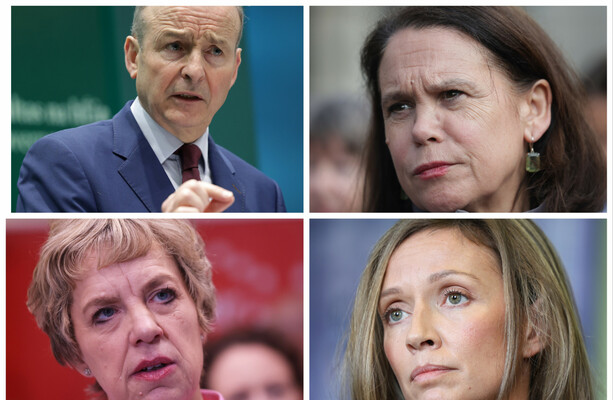
- Martin accused Sinn Féin's Mary Lou McDonald and Pearse Doherty of lacking 'courage' to engage with protesters.
- He suggested Labour leader Ivana Bacik was 'afraid' to join a government coalition, implying a reluctance for power.
- The remarks came amidst heightened political tensions over rising fuel costs and the government's economic policies.
- Opposition leaders rejected the Taoiseach's accusations, defending their parties' positions and engagement.
- The exchange highlights ongoing political maneuvering and differing approaches to governance and public demonstrations.
Overview
Taoiseach Micheál Martin recently engaged in a defensive exchange during Leaders' Questions, where he criticised opposition party leaders regarding their handling of last week's fuel protests. Martin specifically targeted Sinn Féin's Mary Lou McDonald and Pearse Doherty, accusing them of lacking the 'courage' to address the protesters directly. He also suggested that Labour leader Ivana Bacik was 'afraid' to enter government, implying a reluctance to take on the responsibilities of power. These remarks highlight ongoing political tensions and differing approaches to public demonstrations and governance within the Irish political landscape.
The Taoiseach's comments came amidst a period of heightened public concern over fuel costs and the government's response to economic pressures. The exchange in Dáil Éireann underscored the deep divisions between the government and opposition parties on critical national issues. Martin's direct challenge to the opposition's leadership qualities and policy stances marks a significant moment in parliamentary debate, reflecting broader political strategies as parties position themselves for future electoral contests.
Background & Context
Last week saw significant fuel protests across Ireland, with hauliers and other groups demonstrating against rising fuel prices and the government's excise duty policies. These protests caused considerable disruption, particularly in Dublin, and drew varying responses from political leaders. The government had been under pressure to alleviate the financial burden on consumers and businesses, while opposition parties sought to capitalise on public discontent.
The political climate has been charged with debates over cost-of-living increases, housing, and healthcare, making the government sensitive to criticism regarding its economic policies. The Taoiseach's remarks can be seen in the context of Fine Gael and Fianna Fáil's historical rivalry with Sinn Féin, as well as the broader challenges faced by coalition governments in managing public expectations and economic realities. This backdrop informs the sharpness of Martin's critique and the opposition's counter-arguments.
Key Developments
During Leaders' Questions, Taoiseach Micheál Martin directly challenged Sinn Féin leader Mary Lou McDonald and finance spokesperson Pearse Doherty. He accused them of failing to engage with fuel protesters, stating they 'lacked the courage' to confront the demonstrators directly. Martin also criticised Labour leader Ivana Bacik, suggesting she was 'afraid' to join a government coalition, implying a preference for opposition without the responsibilities of power. These statements were a direct response to opposition critiques of the government's handling of the protests and broader economic issues.
The Taoiseach's remarks were met with strong reactions from the targeted opposition leaders. McDonald and Bacik both defended their parties' positions and actions, refuting Martin's accusations. This parliamentary exchange highlighted the strategic efforts of the government to shift responsibility and challenge the credibility of opposition parties, particularly Sinn Féin, which has seen a surge in popularity in recent polls. The debate underscored the ongoing political maneuvering ahead of future elections.
Perspectives
Sinn Féin and Labour leaders swiftly rejected the Taoiseach's characterisations, defending their engagement with constituents and their policy stances. Opposition parties generally argue that the government has been slow to respond to the cost-of-living crisis and fuel price increases, advocating for more robust measures to support households and businesses. They often position themselves as the voice of public discontent, holding the government accountable for its policies.
The government, conversely, typically defends its economic management, citing global factors for inflation and highlighting existing support measures. The Taoiseach's strategy appears to be to challenge the opposition's perceived lack of a viable alternative or their willingness to take on the difficult decisions of governance. This clash of perspectives reflects the fundamental differences in political ideology and approach to national challenges.
What to Watch
Future Dáil Éireann sessions will likely continue to feature robust debates on the cost-of-living crisis, fuel prices, and government accountability. The responses of opposition parties to the Taoiseach's challenges, particularly Sinn Féin's, will be closely observed as they aim to consolidate their support. Further government announcements regarding economic relief measures or excise duty adjustments could also influence public sentiment and parliamentary discussions in the coming weeks.
Found this story useful? Share it:
Sources (1)
TheJournal.ie
"Taoiseach says McDonald and Cairns lack 'courage' and Bacik was 'afraid' to go into Government"
April 15, 2026