Trump and Administration Officials Present Differing Outlooks on Iran War and Gas Prices
Compiled from 2 Sources
This report draws on coverage from CBS News and presents a structured, balanced account that notes where outlets differ in their reporting.
Key Points
- Former President Trump and administration officials hold differing views on the Iran war's duration and gas prices.
- CBS News reported that Trump believes the Iran war "may end soon."
- An unnamed administration official has warned about the impact of the Iran war on gas prices.
- The first CBS News report noted a general difference on when gas prices may fall.
- Both reports confirm the ongoing nature of the Iran war as a central factor.
- The differing perspectives highlight uncertainty regarding economic outcomes related to the conflict.
Introduction
Recent reports from CBS News have highlighted a notable divergence in perspectives between former President Donald Trump and current administration officials regarding the ongoing conflict in Iran and its potential ramifications for global energy markets, particularly gasoline prices. While the conflict continues, key figures are presenting differing outlooks on its duration and the timeline for potential economic relief, creating uncertainty for consumers and policymakers alike. This discrepancy in forecasting underscores the complex interplay between geopolitical events and domestic economic stability, particularly concerning a commodity as volatile and essential as oil. The core of the discussion revolves around whether the conflict is nearing a resolution, as suggested by former President Trump, or if its protracted nature will continue to exert upward pressure on fuel costs, a concern voiced by at least one administration official.
Key Facts
* **Differing Outlooks:** Former President Donald Trump has publicly expressed an optimistic view, suggesting that the conflict in Iran "may end soon."
* **Administration Caution:** In contrast, at least one unnamed administration official has issued warnings about the potential for the ongoing conflict in Iran to continue impacting gas prices.
* **Economic Implications:** The primary point of contention revolves around the economic timeline, specifically when consumers might expect relief from potentially rising fuel costs.
* **Source of Information:** These differing perspectives were reported by CBS News across two distinct reports.
* **Ongoing Conflict:** Both reports confirm the continued existence and impact of the conflict in Iran as the underlying context for these discussions.
* **No Unified Forecast:** There is currently no unified forecast from key political figures regarding the conflict's duration or its precise economic consequences for gas prices.
Why This Matters
The differing outlooks on the Iran conflict and its impact on gas prices carry significant real-world implications for a broad spectrum of stakeholders, from individual consumers to global markets and national policy. For the average American household, gasoline prices are a direct and tangible component of their daily budget. Fluctuations, particularly increases, can erode disposable income, affect commuting costs, and influence decisions on travel and discretionary spending. A sustained period of high gas prices, as warned by administration officials, could contribute to inflationary pressures, impact consumer confidence, and potentially slow economic growth. Conversely, an optimistic outlook, such as that presented by former President Trump, could foster a sense of false security, leading individuals and businesses to make financial plans that may not align with future realities if the conflict persists.
Beyond individual finances, these differing forecasts influence market behavior. Energy traders and investors constantly monitor geopolitical developments for signals that could affect oil supply and demand. Conflicting signals from prominent political figures can introduce volatility into crude oil markets, making it challenging for businesses reliant on stable energy costs to plan effectively. Furthermore, the perceived duration of the conflict can impact strategic energy reserves, diplomatic efforts, and long-term economic planning by governments. If the conflict is expected to end soon, there might be less urgency to explore alternative energy sources or implement aggressive conservation measures. If it is seen as protracted, however, the impetus for such actions increases. The lack of a unified message from political leaders on such a critical geopolitical and economic issue can also undermine public trust and create an environment of uncertainty, making it harder for the public to gauge the true state of affairs and prepare accordingly.
Full Report
Recent coverage from CBS News has brought to light a significant divergence in public statements and internal assessments regarding the ongoing conflict in Iran and its projected effects on global energy markets, specifically gasoline prices. The reports indicate that former President Donald Trump and current administration officials hold distinct views on both the likely duration of the conflict and the timeline for any potential relief from elevated fuel costs.
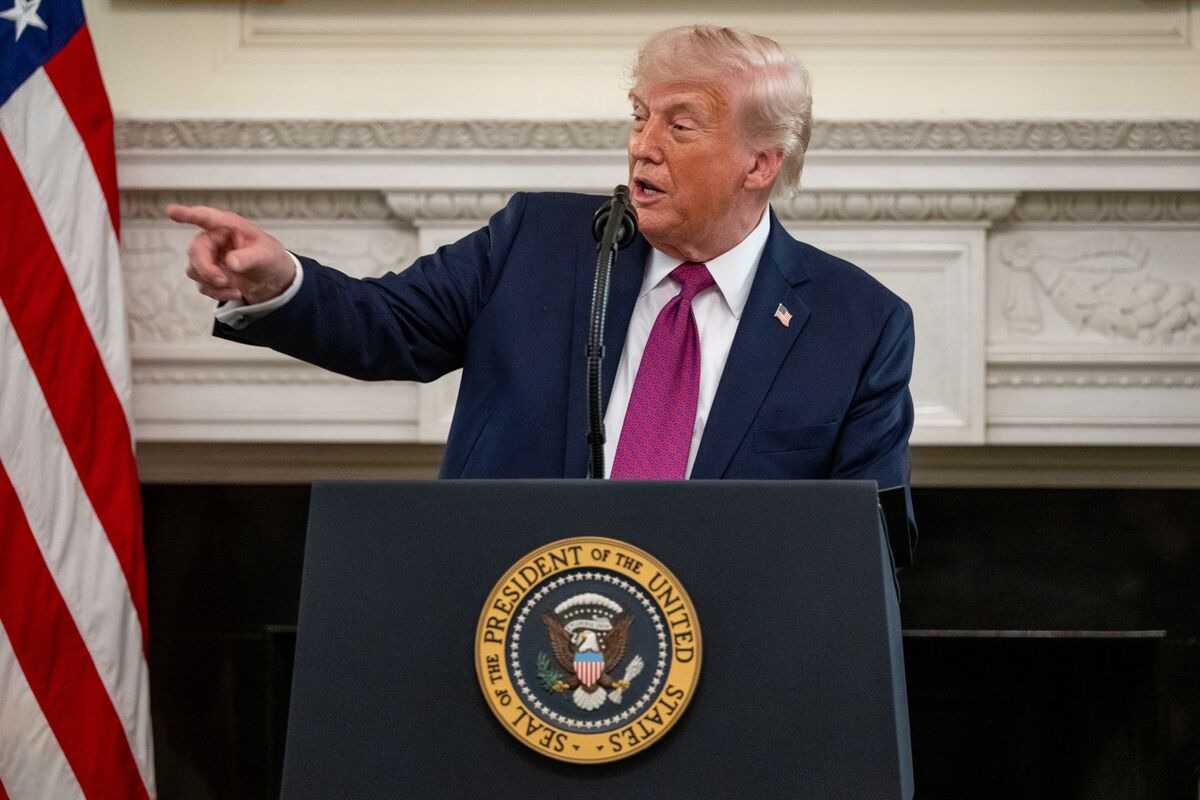
According to a CBS News report, former President Trump has articulated an optimistic perspective, suggesting that the conflict in Iran "may end soon." This assertion implies a relatively swift resolution to the geopolitical tensions, which, by extension, could lead to a stabilization or reduction in global oil prices and, consequently, gas prices at the pump. Trump's outlook, as presented, suggests a belief that the factors contributing to the conflict are either diminishing or are on a path toward resolution in the near future.
In contrast to this optimistic assessment, a separate CBS News report detailed that at least one unnamed administration official has issued a cautionary warning regarding the economic repercussions of the ongoing conflict. This official reportedly highlighted the potential for the protracted nature of the conflict to continue impacting gas prices, indicating a less sanguine view on the immediate future of energy costs. The official's warning suggests an expectation that the geopolitical instability in the region will persist, thereby maintaining upward pressure on crude oil prices and, subsequently, consumer gasoline prices. This perspective implies that relief for consumers at the gas pump may not be imminent and could be contingent on a more definitive resolution to the conflict than Trump's statement suggests.
The core of the discrepancy, as illuminated by these reports, lies in the perceived timeline of the conflict and its economic fallout. While the former President anticipates a relatively quick conclusion, leading to an eventual easing of gas prices, the administration official's stance points towards a more prolonged period of economic impact. Both reports, however, consistently acknowledge the ongoing nature of the conflict in Iran as the fundamental backdrop for these discussions. The absence of a unified forecast from these prominent figures underscores the complexity and unpredictability inherent in geopolitical conflicts, particularly those involving major oil-producing regions. For the public, this divergence creates uncertainty, making it challenging to anticipate future economic conditions related to fuel costs and plan accordingly.
Context & Background
The discussions surrounding the Iran conflict and its impact on gas prices are deeply rooted in the geopolitical landscape of the Middle East, a region historically vital for global energy supplies. Iran, a major oil producer and a key player in the Organization of the Petroleum Exporting Countries (OPEC), sits atop vast hydrocarbon reserves. Any instability or conflict involving Iran inherently carries the potential to disrupt global oil supply chains, either through direct impact on production facilities, interference with shipping lanes (such as the Strait of Hormuz, a critical chokepoint for oil transit), or broader regional destabilization.
Historically, geopolitical tensions in the Middle East have frequently translated into volatility in crude oil markets. Events such as the 1973 oil crisis, the Iran-Iraq War in the 1980s, the Persian Gulf War in the early 1990s, and various conflicts in the 21st century have demonstrated a direct correlation between regional instability and spikes in global oil prices. These price increases are then typically passed on to consumers at the pump, often with a lag, as refiners and distributors adjust to higher input costs.
The current conflict in Iran, while specific in its immediate triggers, is part of a longer narrative of regional rivalries, international sanctions, and complex power dynamics. Iran's nuclear program, its support for various non-state actors in the region, and its adversarial relationship with several Western nations and regional powers have contributed to a sustained state of tension. These factors create an environment where even minor incidents can escalate, leading to concerns about broader conflict and its potential to disrupt oil flows.
Furthermore, the economic context includes the global recovery from recent economic downturns and ongoing inflationary pressures. In such an environment, any additional upward pressure on energy costs can exacerbate existing economic challenges, making the issue of gas prices particularly sensitive for consumers and policymakers. The differing perspectives from former President Trump and administration officials can be viewed through the lens of political messaging, economic forecasting methodologies, and varying assessments of the conflict's underlying drivers and potential resolutions. Trump's optimistic stance might reflect a desire to project confidence or a particular interpretation of diplomatic signals, while administration officials might be bound by more conservative assessments based on intelligence and economic models that factor in worst-case scenarios. This historical and situational context underscores why the duration and intensity of the Iran conflict are not merely abstract geopolitical concerns but have direct, tangible implications for global economic stability and the daily lives of citizens.
What to Watch Next
Several key developments and indicators will be crucial to monitor in the coming weeks and months to better understand the trajectory of the Iran conflict and its potential impact on gas prices:
1. **Diplomatic Engagements and Negotiations:** Any official statements, back-channel communications, or direct negotiations involving Iran and international powers will be critical. Progress towards de-escalation or a political resolution could signal a quicker end to the conflict, aligning with former President Trump's optimistic view. Conversely, a breakdown in talks or increased diplomatic isolation could suggest a more protracted conflict.
2. **Regional Military Activity and Incidents:** The frequency and severity of military clashes, attacks on shipping, or other security incidents in the Persian Gulf and surrounding areas will be a direct indicator of the conflict's intensity. An increase in such events would likely reinforce the administration's cautious outlook on gas prices, while a sustained period of calm could support a more optimistic forecast.
3. **Global Oil Supply and Demand Reports:** Regular reports from organizations like OPEC, the International Energy Agency (IEA), and major financial institutions on crude oil production levels, inventory changes, and global demand forecasts will provide insights into market fundamentals. Any significant disruptions to Iranian or regional oil output, or unexpected shifts in global demand, will directly influence prices.
4. **U.S. Strategic Petroleum Reserve (SPR) Policy:** Decisions by the U.S. administration regarding releases from or replenishments of the Strategic Petroleum Reserve could signal their assessment of long-term supply stability and their strategy to manage domestic gas prices. Significant releases might indicate concerns about sustained high prices, while a focus on replenishment could suggest confidence in future supply.
5. **Official Statements from Administration Economic Advisors:** Beyond general warnings, specific statements from the Treasury Department, the Federal Reserve, or the Council of Economic Advisers regarding energy prices and inflation
Found this story useful? Share it:
Sources (2)
CBS News
"Trump, administration officials differ on when gas prices may fall as Iran war continues"
April 16, 2026
CBS News
"Eye Opener: Trump says Iran war may end soon, but official warns of impact on gas prices"
April 16, 2026