
Meghalaya Cabinet Approves Khasi and Garo as Official Languages Alongside English
Compiled from 2 Sources
This report draws on coverage from Southasiaviews.com, Syllad.com and presents a structured, balanced account that notes where outlets differ in their reporting.
Key Points
- Meghalaya Cabinet approved Khasi and Garo as official languages on April 16.
- Chief Minister Conrad K. Sangma announced the decision, confirming English retains its official status.
- The approval was made via the Meghalaya Official Languages Ordinance, 2026.
- The new ordinance repeals the previous Meghalaya State Language Act, 2005, as reported by Syllad.com.
- Southasiaviews.com described the move as integrating local identity into state governance.
- This decision aims to promote and preserve the linguistic heritage of Meghalaya's major communities.
Introduction
The Meghalaya Cabinet has officially approved Khasi and Garo as additional official languages for the state, alongside the existing official language, English. This landmark decision, announced by Chief Minister Conrad K. Sangma on April 16, aims to integrate the linguistic identities of Meghalaya's predominant communities into the state's governance framework. The approval was formalized through the Meghalaya Official Languages Ordinance, 2026, which repeals previous legislation and facilitates the use of Khasi and Garo in official capacities. This development is poised to significantly impact administrative functions, educational policies, and public life, reinforcing the cultural and linguistic heritage of the state.
Key Facts
* **Date of Approval:** April 16, 2024.
* **Approving Body:** Meghalaya Cabinet.
* **New Official Languages:** Khasi and Garo.
* **Existing Official Language:** English, which retains its status.
* **Legal Instrument:** Meghalaya Official Languages Ordinance, 2026.
* **Previous Legislation Repealed:** Meghalaya State Language Act, 2005.
* **Announcing Authority:** Chief Minister Conrad K. Sangma.
* **Primary Objective:** To incorporate local linguistic identities into governance and preserve cultural heritage.
* **Impact:** Expected to enhance the use of Khasi and Garo in government communications, education, and public discourse.
Why This Matters
This decision carries significant real-world implications for the citizens of Meghalaya and sets a precedent for linguistic recognition within India. For the majority Khasi and Garo speaking populations, it signifies a tangible acknowledgment of their cultural identity and heritage within the state's official framework. This recognition is not merely symbolic; it is expected to facilitate greater access to government services and information in their native languages, potentially reducing communication barriers and improving civic engagement. Government documents, public announcements, and legal proceedings may now be conducted in Khasi and Garo, making them more accessible and understandable to a wider segment of the population.
Furthermore, the move is likely to bolster the preservation and promotion of these indigenous languages, which face pressures from dominant regional and national languages. By elevating their status, the government encourages their use in education, media, and daily administration, thereby ensuring their vitality for future generations. For students, it could mean instruction in their mother tongue, potentially leading to improved learning outcomes and a stronger connection to their cultural roots. Economically, this could also foster local content creation and media development in Khasi and Garo. Beyond Meghalaya, this action contributes to the broader discourse in India regarding linguistic diversity and the recognition of regional languages, potentially inspiring similar movements in other states with significant indigenous linguistic populations.
Full Report
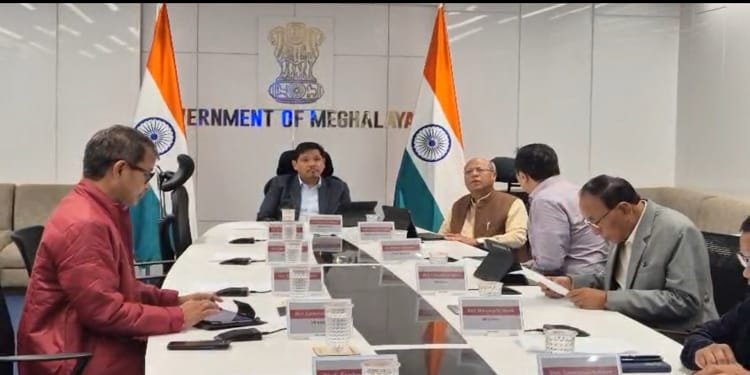
On April 16, the Meghalaya Cabinet convened and officially sanctioned the inclusion of Khasi and Garo as additional official languages for the state. This pivotal decision was subsequently announced by Chief Minister Conrad K. Sangma, underscoring a strategic move to integrate the linguistic identities of the state's dominant communities into its administrative and governmental functions. English, which has historically served as the sole official language, will maintain its status, operating concurrently with the newly recognized languages.
The legislative framework enabling this change is the Meghalaya Official Languages Ordinance, 2026. This ordinance specifically repeals the Meghalaya State Language Act, 2005, and is designed to formalize the use of Khasi and Garo in official capacities. The objective is to align the state's official linguistic policy with its demographic reality, where Khasi and Garo are the primary languages spoken by the majority of the population.
Chief Minister Sangma emphasized that this decision is a crucial step towards weaving the distinct cultural and linguistic identities of Meghalaya into the fabric of its governance. The move is anticipated to have a broad impact, extending beyond mere symbolic recognition. It is expected to facilitate the increased use of Khasi and Garo in various governmental spheres, including official communications, documentation, public services, and educational institutions. This integration is projected to enhance accessibility for citizens who are more comfortable communicating in their native languages, thereby fostering greater participation in public life and administration.
The historical context of this decision reveals a long-standing demand from various cultural and political organizations within Meghalaya for the official recognition of indigenous languages. These groups have consistently advocated for policies that promote and preserve local heritage, viewing linguistic recognition as fundamental to cultural autonomy. The Cabinet's approval represents the culmination of these efforts, marking a significant milestone in the state's linguistic and cultural policy development. The Meghalaya Official Languages Ordinance, 2026, is now the legal instrument that will guide the implementation of this expanded linguistic policy, ensuring that Khasi and Garo are formally incorporated into the state's official communication and administrative systems.
Context & Background
Meghalaya, one of India's northeastern states, is characterized by its rich linguistic and ethnic diversity. The state is predominantly inhabited by three major tribal communities: the Khasi, the Garo, and the Jaintia. Khasi is primarily spoken in the Khasi Hills and Jaintia Hills regions, while Garo is prevalent in the Garo Hills. English has historically served as the sole official language for administrative purposes since the state's formation in 1972, a legacy of the British colonial era and its continued role as a link language in India.
The demand for official recognition of Khasi and Garo is not a recent phenomenon. Over several decades, various socio-cultural organizations, literary bodies, and political groups have actively campaigned for the elevation of these indigenous languages to official status. Proponents argued that such recognition was essential for preserving the distinct cultural identity of the communities, promoting their literature, and ensuring that governance was more accessible and responsive to the local populace. They highlighted the disconnect between the official language of administration and the mother tongues of the majority of the state's citizens.
This movement for linguistic recognition in Meghalaya mirrors similar efforts across India, where states often adopt regional languages as official languages alongside Hindi or English, as permitted by the Eighth Schedule of the Indian Constitution. For instance, states like West Bengal have Bengali, Tamil Nadu has Tamil, and Karnataka has Kannada as their official languages. The push in Meghalaya gained momentum as part of a broader national trend towards linguistic self-determination and the promotion of regional identities within the federal structure of India. The previous Meghalaya State Language Act, 2005, which the new ordinance repeals, was an earlier attempt to address linguistic policy, but it did not grant full official language status to Khasi and Garo in the comprehensive manner now envisioned. The current decision can be seen as a more definitive step towards fully integrating these languages into the state's official machinery, reflecting a deeper commitment to linguistic pluralism and cultural preservation.
What to Watch Next
Following the Meghalaya Cabinet's approval, several key developments warrant close observation to understand the full impact and implementation of this linguistic policy shift.
Firstly, the **formal promulgation and gazetting of the Meghalaya Official Languages Ordinance, 2026**, will be a critical step. While the Cabinet has approved it, the ordinance needs to be officially published, which will provide the precise legal framework and effective date for the new language policy. Details within the ordinance, such as the specific contexts in which Khasi and Garo will be used (e.g., government correspondence, legislative proceedings, court documents), will be crucial.
Secondly, the **development and implementation of practical measures** to facilitate the use of Khasi and Garo in government administration will be important. This includes the need for translation services, training for government employees in these languages, and the creation of official terminology and glossaries. The state government will likely need to allocate resources for these initiatives, and the efficiency of their rollout will determine the practical effectiveness of the policy.
Thirdly, the **impact on the education sector** will be a significant area to monitor. The decision could lead to changes in curriculum development, the medium of instruction, and the availability of educational materials in Khasi and Garo. Observing how schools and universities adapt to these changes, particularly in higher education and technical fields, will provide insight into the long-term implications for linguistic development and academic achievement.
Finally, the **public and political reception** of the implementation phase will be important. While the initial approval has been largely positive, the practical application of the policy may generate discussions or challenges related to resource allocation, linguistic standardization, or potential impacts on non-Khasi/Garo speaking minorities within the state. Monitoring how these discussions evolve and how the government addresses any emerging issues will be key to understanding the sustained success of this linguistic initiative.
Source Attribution
* Southasiaviews.com
* Syllad.com
Found this story useful? Share it:
Sources (2)
Southasiaviews.com
"Tongues of the Soil: Cabinet Crowns Khasi, Garo as Official Languages"
April 16, 2026
Syllad.com
"Meghalaya clears historic ordinance; Khasi and Garo declared official languages alongside English"
April 16, 2026