
Christina Applegate Discusses Her Multiple Sclerosis Diagnosis and Its Impact
AI-Summarized Article
ClearWire's AI summarized this story from Us Weekly into a neutral, comprehensive article.
Key Points
- Actress Christina Applegate publicly announced her multiple sclerosis (MS) diagnosis in August 2021.
- She has been candid about the physical and emotional impact of MS, including mobility issues and fatigue.
- Applegate completed the final season of *Dead to Me* despite her diagnosis, requiring significant on-set accommodations.
- She has discussed experiencing MS symptoms years before her official diagnosis, a common occurrence for many patients.
- Her transparency aims to raise awareness and provide a realistic perspective on living with a chronic neurological condition.
- Applegate emphasizes the importance of a strong support system and openly acknowledges her use of mobility aids.
Overview
Actress Christina Applegate publicly disclosed her diagnosis of multiple sclerosis (MS) in August 2021. Since then, she has consistently shared insights into how the chronic neurological condition has affected her daily life and professional career. Her candidness has provided a public platform for understanding the challenges associated with MS.
Applegate's journey with MS began with symptoms that she initially dismissed or misattributed, highlighting the often-insidious onset of the disease. Her public statements have detailed the physical and emotional toll, including mobility issues, fatigue, and the need for significant lifestyle adjustments. She has emphasized the ongoing adaptation required to manage the condition.
Background & Context
Multiple sclerosis is an unpredictable, often disabling disease of the central nervous system that disrupts the flow of information within the brain, and between the brain and body. Its symptoms vary widely and can include fatigue, numbness, tingling, muscle weakness, vision problems, and cognitive changes. There is currently no cure for MS, but treatments can help modify the disease course and manage symptoms.
Applegate's decision to share her experience publicly aligns with a broader trend of celebrities using their platforms to raise awareness about chronic illnesses. This transparency helps demystify conditions like MS, fostering greater public understanding and reducing stigma. Her commentary offers a personal perspective on living with a condition that affects millions globally.
Key Developments
Applegate initially revealed her diagnosis via a social media post, stating it had been a "strange journey." She later elaborated on the progression of her symptoms, noting that she had experienced early signs years before her official diagnosis, which were often misdiagnosed or overlooked. This delayed diagnosis is a common experience for many individuals with MS.
Her professional life has also been significantly impacted. Production on the final season of her Netflix series, *Dead to Me*, was paused following her diagnosis to accommodate her health needs. Applegate completed the season, often filming with the aid of a wheelchair and requiring significant support, demonstrating her commitment to her craft despite her health challenges. She has spoken about the physical demands of acting and the adjustments necessary to continue working.
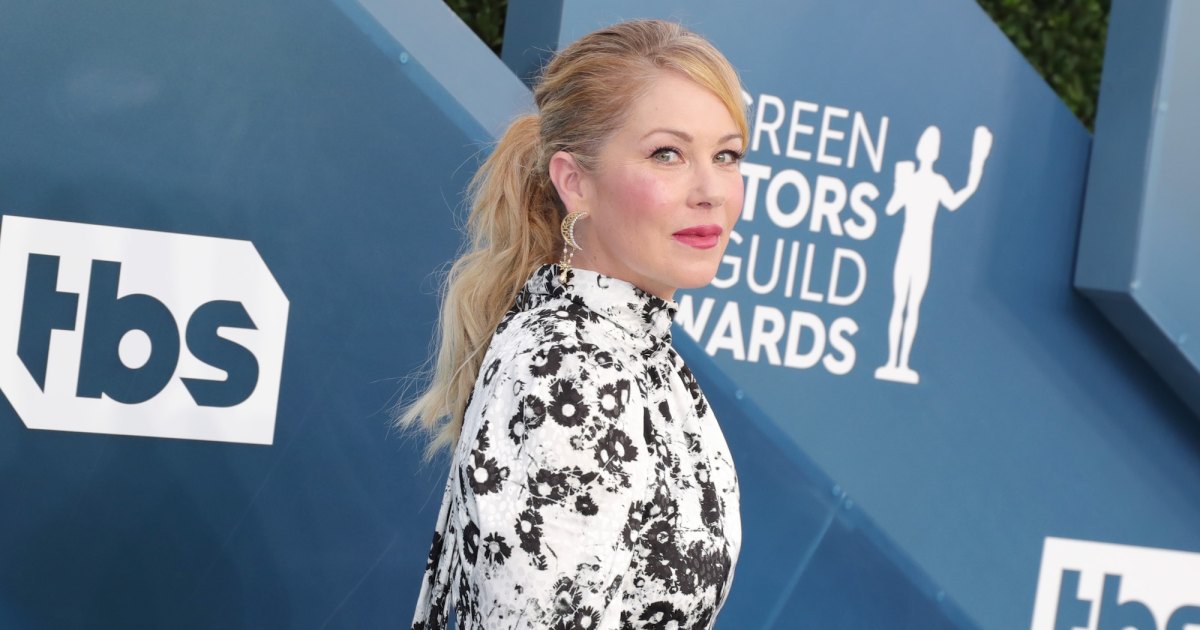
Applegate has also discussed the emotional and psychological aspects of living with MS, including feelings of grief and anger over the changes to her body and life. She has highlighted the importance of a strong support system, including her family and friends, in navigating the complexities of her condition. Her public appearances, such as at the Screen Actors Guild Awards, have often included her using a cane, openly acknowledging her mobility challenges.
Perspectives
Applegate's openness has been widely praised by patient advocacy groups and individuals living with MS, who view her as an important voice in raising awareness. Her willingness to share the less glamorous aspects of her condition, such as the daily struggles and emotional impact, provides a realistic portrayal that resonates with many. This contrasts with often-sanitized public narratives around chronic illness.
Her experience underscores the variability of MS, as symptoms and progression differ greatly among individuals. While her platform offers visibility, it also highlights the need for continued research into treatments and ultimately, a cure for the disease. Her narrative serves as a reminder of the human element behind medical conditions, emphasizing resilience and adaptation.
What to Watch
As Christina Applegate continues to manage her MS, her public statements and appearances will likely remain a source of insight into living with the condition. Her advocacy may continue to influence public discourse and support for MS research. Future developments in MS treatment and management will be relevant for those following her journey and the broader MS community.
Found this story useful? Share it:
Sources (1)
Us Weekly
"Everything Christina Applegate Has Said About Her Multiple Sclerosis Battle"
April 17, 2026