Iran-Israel Conflict Day 50: Trump Vows Uranium Seizure Amidst Regional Tensions and Economic Shifts
AI-Summarized Article
ClearWire's AI summarized this story from The Times of India into a neutral, comprehensive article.
Key Points
- The Iran-Israel conflict has reached its 50th day, marked by diplomatic signals, economic shifts, and ongoing violence.
- Former US President Donald Trump vowed to seize Iran's uranium if re-elected, signaling a potential policy shift.
- Iran reiterated its terms regarding the Strait of Hormuz, a critical global oil shipping route.
- Global oil prices have experienced a dip amidst the ongoing conflict and geopolitical uncertainties.
- The situation highlights complex regional dynamics and the interplay between political rhetoric and economic stability.
Overview
The Iran-Israel conflict has reached its 50th day, characterized by a complex interplay of diplomatic maneuvers, economic fluctuations, and ongoing ground-level hostilities. The situation remains highly volatile, with various international and regional actors signaling their positions and concerns. This period has seen significant statements regarding potential escalations and economic impacts, particularly concerning global energy markets and strategic resources.
Former US President Donald Trump has made a notable declaration, vowing to seize Iran's uranium if re-elected, a statement that adds a new dimension to the international discourse surrounding Iran's nuclear program. Concurrently, Iran has reiterated its terms regarding the Strait of Hormuz, a critical chokepoint for global oil shipments. These developments unfold against a backdrop of fluctuating oil prices, which have shown a tendency to dip, reflecting the market's response to the ongoing geopolitical uncertainties and potential supply disruptions.
Background & Context
The enduring tensions between Iran and Israel, coupled with broader regional instability, have historically been a source of global concern. The Strait of Hormuz, through which a significant portion of the world's oil supply passes, has long been a flashpoint, with Iran periodically asserting its control or threatening to disrupt passage. This strategic importance amplifies the impact of any statements or actions related to its accessibility.
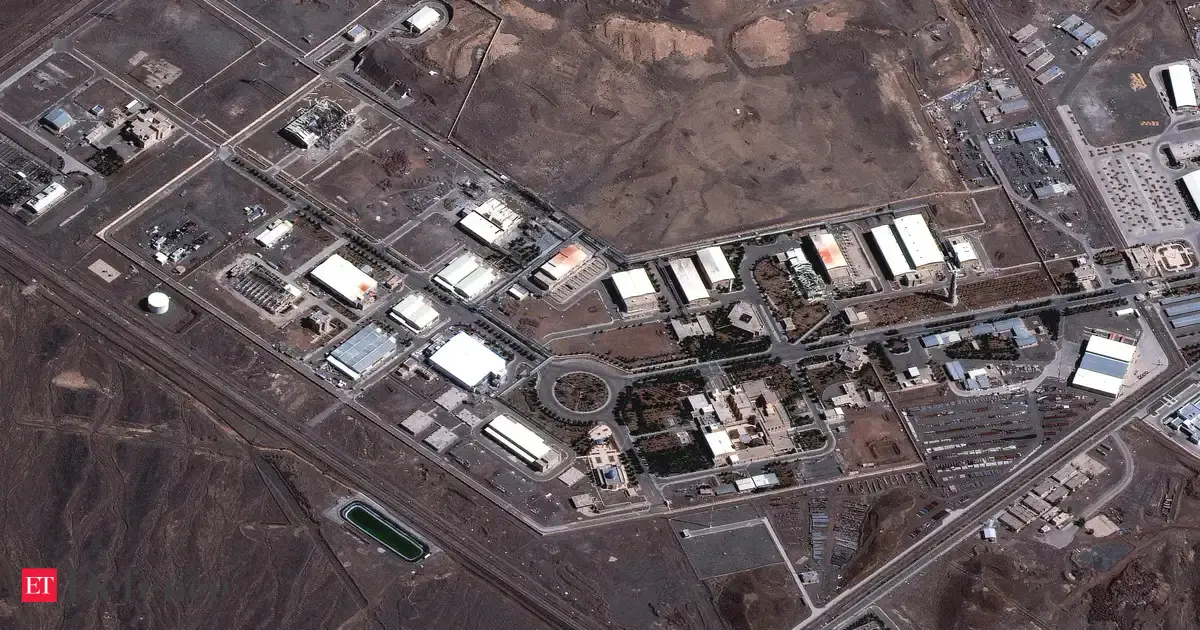
The international community has also maintained a close watch on Iran's nuclear ambitions. Discussions around uranium enrichment and potential weaponization have led to various sanctions and diplomatic efforts over the years. Trump's recent pledge to seize Iran's uranium, if he returns to office, revives a more confrontational stance on this issue, potentially escalating an already delicate situation and challenging existing international agreements or understandings.
Key Developments
As the conflict entered its 50th day, former President Donald Trump announced his intention to seize Iran's uranium if he wins the upcoming US presidential election. This declaration signals a potentially aggressive shift in US policy towards Iran's nuclear program, diverging from current diplomatic approaches. Such a move would likely provoke strong reactions from Tehran and other international stakeholders, further complicating efforts to de-escalate regional tensions.
Simultaneously, Iran has reiterated its conditions concerning the Strait of Hormuz, emphasizing its sovereign rights and control over the vital waterway. These statements often emerge during periods of heightened regional stress, serving as a reminder of Iran's capacity to influence global energy supplies. The implications of these terms for international shipping and trade remain a central concern for global economies.
The global oil markets have reacted to the ongoing conflict and associated geopolitical rhetoric, with oil prices experiencing a dip. This fluctuation reflects market uncertainty, concerns over potential supply disruptions, and the broader economic impact of sustained regional instability. The interplay between geopolitical events and commodity prices underscores the far-reaching economic consequences of the Iran-Israel conflict.
Perspectives
From a US perspective, particularly articulated by former President Trump, the proposed seizure of Iran's uranium suggests a hardline approach aimed at preventing nuclear proliferation and asserting American dominance. This stance contrasts with more multilateral or diplomatic efforts favored by other international actors. Iran, on the other hand, views its nuclear program as sovereign and its control over the Strait of Hormuz as a fundamental national right, likely perceiving any external interference as a hostile act.
Regional allies and international powers are likely monitoring these developments closely, weighing the potential for escalation against the imperative for stability. The economic implications, particularly for oil-importing nations, are significant, as sustained uncertainty in the Middle East can lead to volatile energy prices and broader economic instability. The differing perspectives highlight the deep divisions and complex interests at play in the region.
What to Watch
Observers should closely monitor any further statements or policy proposals from US presidential candidates regarding Iran's nuclear program and regional strategy. The reactions from Iran and other major powers to these declarations will be crucial indicators of future diplomatic and military postures. Additionally, continued fluctuations in global oil prices and any changes in shipping patterns through the Strait of Hormuz will provide insights into the economic impact and potential escalation of the conflict.
Found this story useful? Share it:
Sources (1)
The Times of India
"US Israel-Iran War Day 50: Trump vows to seize Iran's uranium, Tehran's terms on Strait of Hormuz & oil prices dip"
April 18, 2026