Iran Declares Strait of Hormuz Open Amidst U.S. Blockade Claims and Market Reactions
AI-Synthesized from 4 Sources
ClearWire's AI read coverage of this story from CBS News, Foreign Policy and synthesized a single balanced, unbiased summary that cites each outlet where their reporting differs.
Key Points
- Iran has declared the Strait of Hormuz "completely open," as reported by Foreign Policy and CBS News.
- Former President Trump stated the U.S. would continue a blockade despite Iran's declaration, according to CBS News.
- The Strait of Hormuz is a critical waterway for global oil shipments, making its status geopolitically significant.
- Optimism regarding the Strait's status has reportedly driven markets higher, though world shares remained mixed (CBS News).
- The situation is being watched by investors for signs of U.S.-Iran talks and an extension of the Iran war ceasefire.
- The status of the Strait is a topic of discussion among U.S. political strategists, as noted by CBS News.
Overview
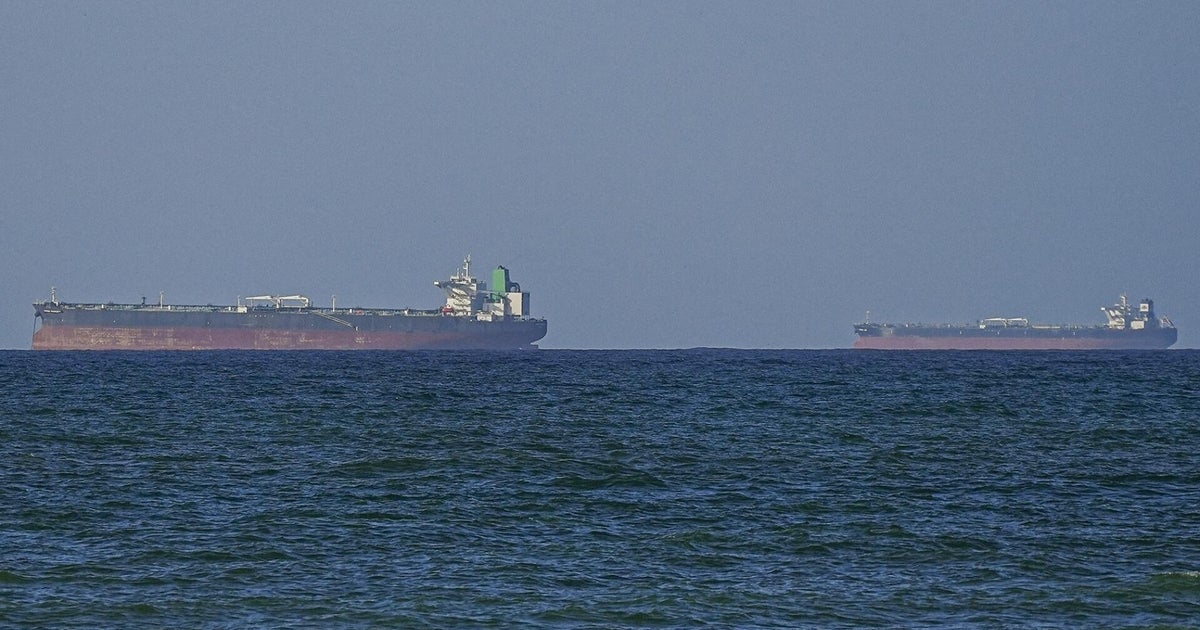
Multiple news outlets have reported on Iran's declaration that the Strait of Hormuz is "completely open." This announcement comes amidst ongoing international attention to the critical waterway, which is vital for global oil shipments. The situation has drawn reactions from the United States, with former President Trump reportedly stating the U.S. would continue a blockade. The status of the Strait and related geopolitical tensions have also influenced global financial markets.
The Strait of Hormuz is a narrow passage between the Persian Gulf and the Gulf of Oman, through which a significant portion of the world's oil supply passes. Its status is a recurring point of geopolitical tension, particularly concerning Iran's relationship with international powers. The current developments highlight the sensitive nature of maritime security in the region and its broader economic implications.
Background & Context
The Strait of Hormuz has historically been a flashpoint for international disputes due to its strategic importance for global energy transit. Past incidents involving shipping and naval activities have underscored its vulnerability and the potential for disruption to global trade. The current discussions around its status are set against a backdrop of complex U.S.-Iran relations, which have seen periods of heightened tension and diplomatic efforts.
Foreign Policy noted that the status of the Strait of Hormuz was among several key international issues being discussed, including the reauthorization of a U.S. surveillance tool and calls regarding the British Prime Minister. This indicates a broader geopolitical context influencing the reporting on the Strait's status. The ongoing situation also touches upon the ceasefire of the Iran war, which was reportedly expiring soon, as mentioned by CBS News in their live updates.
Key Developments
According to Foreign Policy, Iran explicitly stated that the Strait of Hormuz is "completely open." This declaration was also highlighted by CBS News in their live updates, which reported on former President Trump's response. CBS News indicated that Trump stated the U.S. would continue a blockade despite Iran's assertion.
The economic impact of these developments was also a significant point of coverage. CBS News reported that optimism over the Strait of Hormuz was driving markets higher. Their live updates further detailed that world shares were mixed even after Wall Street set another record, as investors watched for signs of more U.S.-Iran talks and an extension of the Iran war ceasefire. Another CBS News report mentioned Democratic and Republican strategists discussing the Strait of Hormuz reopening, alongside topics like midterm fundraising.
Perspectives
The differing statements from Iran and the U.S. highlight a clear divergence in their official positions regarding the Strait's operational status. Iran's declaration of the Strait being "completely open" contrasts with former President Trump's reported intent for the U.S. to continue a blockade, as detailed by CBS News. This suggests a potential disconnect between the de facto situation on the ground and the stated policies or intentions of involved parties.
Market reactions, as reported by CBS News, indicate that investors are closely monitoring the situation, with optimism surrounding the Strait's status positively influencing markets. However, the mixed nature of world shares suggests underlying uncertainty or the influence of other global economic factors. The mention of political strategists discussing the Strait also points to its significance in domestic political discourse within the U.S.
What to Watch
Future developments will likely focus on any verifiable changes in maritime traffic through the Strait of Hormuz, as well as further official statements from Iran and the United States. Observers will also be monitoring for any progress in U.S.-Iran talks and whether the ceasefire of the Iran war is extended, as these factors could significantly influence the geopolitical landscape surrounding the critical waterway and global energy markets. The ongoing market reactions will also provide an indicator of investor confidence regarding regional stability.
Found this story useful? Share it:
Sources (4)
CBS News
"Democratic, Republican strategists on Strait of Hormuz reopening, midterms fundraising and more"
April 18, 2026
CBS News
"Live Updates: Trump says U.S. will continue blockade after Iran says Strait of Hormuz "completely open""
April 18, 2026
Foreign Policy
"Iran Says Strait of Hormuz Is ‘Completely Open’"
April 17, 2026