
Austin Maynard Architects Design Garden House in Melbourne Featuring White Shingles and Recycled Brick
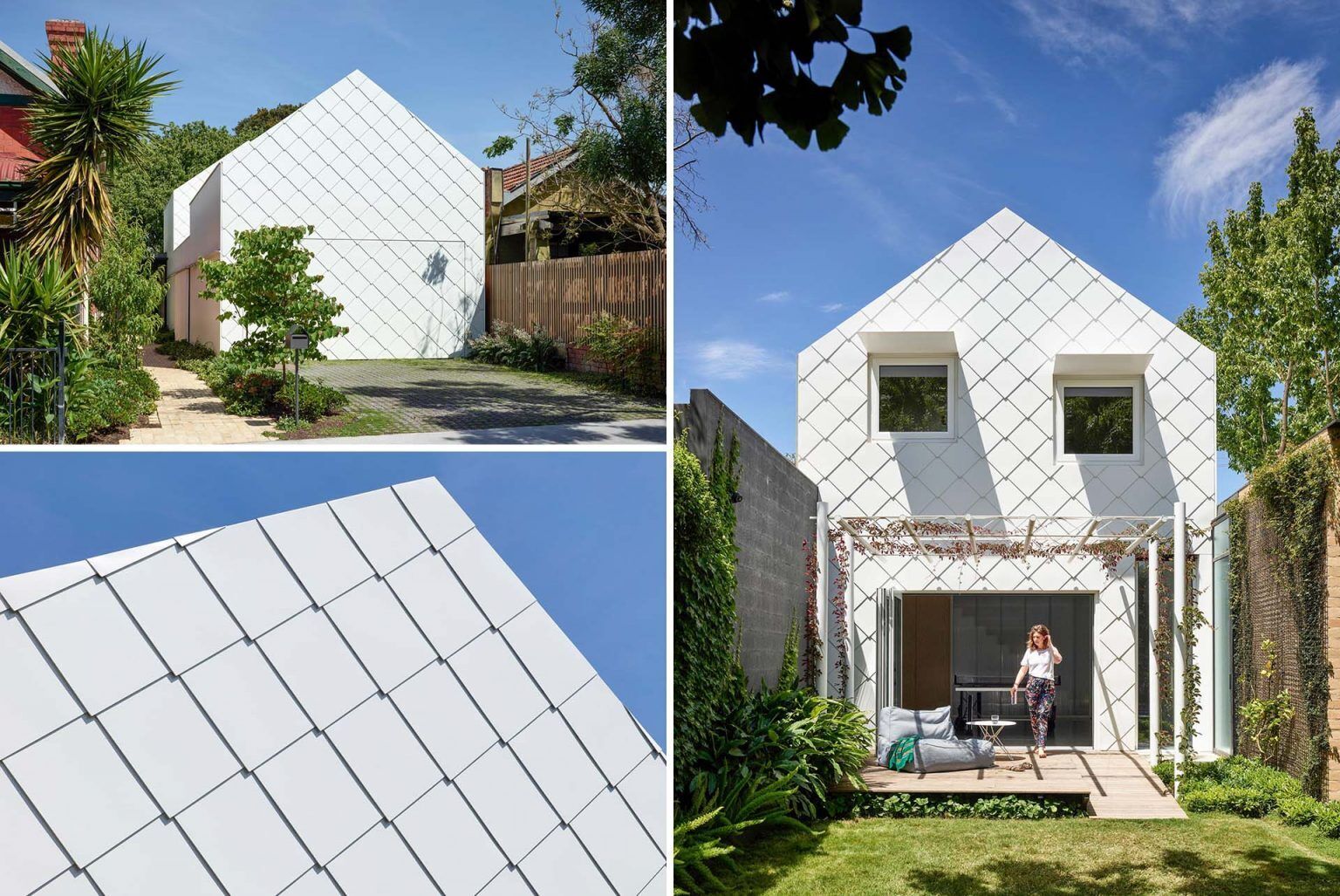
Structured Editorial Report
This report is based on coverage from Contemporist.com and has been structured for clarity, context, and depth.
Key Points
- Austin Maynard Architects designed the 'Garden House' in inner-city Melbourne, blending privacy with natural integration.
- The residence features a unique exterior with white shingles and recycled brick, presenting a modest street facade.
- Innovative internal design maximizes natural light and ventilation through extensive glass and strategic openings.
- Multiple courtyards and garden spaces are integrated, blurring indoor-outdoor boundaries and enhancing urban living.
- The project exemplifies sustainable urban architecture, addressing density challenges with thoughtful material use and spatial planning.
- It serves as a model for future urban developments seeking to combine privacy, nature, and efficiency in compact settings.
Introduction
In a notable architectural development within inner-city Melbourne, Australia, Austin Maynard Architects have unveiled a distinctive residential project dubbed the 'Garden House.' This dwelling, initially presenting a modest and unassuming facade from the street, conceals a complex and innovative design that prioritizes both privacy and integration with its natural surroundings. The project stands out for its strategic use of materials, including white shingles and recycled brick, which contribute to its unique aesthetic and sustainable ethos. The Garden House represents a contemporary approach to urban living, demonstrating how architectural ingenuity can transform a compact site into a spacious and light-filled sanctuary.
The design successfully navigates the challenges of a dense urban environment by creating a series of interconnected spaces that blur the lines between indoor and outdoor living. Its gabled form, while simple in appearance, belies a sophisticated interior layout that maximizes natural light and ventilation, fostering a sense of openness despite its inner-city location. This architectural endeavor by Austin Maynard Architects provides a compelling example of how thoughtful design can enhance residential quality within constrained urban footprints, offering a model for future developments in similar contexts.
Key Facts
The Garden House, located in inner-city Melbourne, Australia, was designed by Austin Maynard Architects. From the street, the residence presents a simple gable-front form, characterized by its clean, compact, and quiet aesthetic. The exterior features a distinctive combination of white shingles and recycled brick, contributing to its unique material palette. Internally, the design emphasizes natural light, with a significant use of glass and strategically placed openings to illuminate the living spaces. The architects incorporated a variety of outdoor spaces, including courtyards and gardens, to integrate nature into the urban dwelling.
The project addresses the challenge of urban density by creating a sense of spaciousness and privacy within a limited footprint. Key design elements include a central courtyard, which serves as a focal point for the home, and a carefully curated landscape that enhances the residents' connection to nature. The use of recycled materials underscores a commitment to sustainability, while the overall aesthetic balances modern minimalism with a warm, inviting atmosphere. The design prioritizes both functional living and aesthetic appeal, aiming to create a serene retreat within the bustling city.
Why This Matters
The Garden House project by Austin Maynard Architects holds significant relevance for several reasons, particularly in the context of global urbanization and sustainable architectural practices. As cities worldwide continue to grow denser, the challenge of creating livable, aesthetically pleasing, and environmentally responsible housing becomes paramount. This project offers a tangible solution, demonstrating that innovative design can transform seemingly restrictive urban plots into expansive and comfortable homes. Its approach to maximizing natural light and integrating green spaces within a compact footprint provides a valuable blueprint for architects, urban planners, and developers grappling with similar challenges in other metropolitan areas.
Furthermore, the deliberate choice of materials, such as white shingles and recycled brick, highlights a growing trend towards sustainable construction and the circular economy within the building industry. By utilizing recycled components, the project not only reduces its environmental impact but also showcases how reclaimed materials can contribute to a sophisticated and contemporary aesthetic. This commitment to sustainability is crucial as the construction sector faces increasing pressure to reduce carbon emissions and resource consumption. The Garden House serves as a practical example of how design choices can align with broader environmental goals, influencing future material selections and construction methodologies.
Beyond its environmental and urban planning implications, the Garden House also addresses the human need for connection to nature, even in highly urbanized settings. The integration of multiple courtyards and garden spaces within the home's design speaks to a desire for biophilic design principles—an approach that seeks to connect building occupants with nature. This focus on well-being and quality of life within an inner-city dwelling is increasingly important for residents facing the stresses of urban living. The project demonstrates that privacy, tranquility, and a strong sense of place can be achieved without sacrificing the benefits of city proximity, offering a compelling vision for the future of urban residential architecture.
Full Report
Austin Maynard Architects' Garden House in inner-city Melbourne embodies a thoughtful response to the complexities of urban residential design. From the street, the dwelling presents a deceptively simple gable-front form, characterized by its pristine white shingles and a quiet, unassuming presence. This initial impression belies a meticulously crafted interior and a series of interconnected outdoor spaces that redefine urban living. The architects' primary goal was to create a sanctuary that felt expansive and private, despite its compact inner-city location, a challenge they met with innovative spatial planning and material selection.
The exterior's white shingles provide a clean, modern aesthetic that contrasts subtly with the warmth of recycled brick used in other sections, creating a dynamic yet harmonious facade. This material choice is not merely aesthetic; it also speaks to a commitment to sustainability, integrating reclaimed elements into a contemporary structure. The gabled roofline, a nod to traditional residential forms, is reinterpreted with a minimalist approach, allowing the house to blend seamlessly into its surroundings while maintaining a distinct identity. The careful consideration of the building's envelope ensures privacy from neighboring properties while maximizing natural light penetration.
Internally, the Garden House is a masterclass in spatial efficiency and the manipulation of light. Large expanses of glass and strategically placed skylights flood the living areas with natural illumination, creating a bright and airy atmosphere throughout the day. The layout is designed to foster a fluid transition between indoor and outdoor spaces, with multiple courtyards and garden zones integrated directly into the home's plan. A central courtyard often serves as the heart of the dwelling, providing a private oasis that connects various rooms and enhances cross-ventilation, reducing the reliance on artificial cooling.
The architectural narrative of the Garden House is one of discovery and unfolding. What appears compact from the exterior reveals a rich tapestry of spaces upon entry, each designed with a specific function and aesthetic in mind. The design prioritizes human scale and comfort, ensuring that even within its urban context, residents experience a profound connection to nature and a sense of tranquility. This project stands as a testament to Austin Maynard Architects' ability to blend innovative design with practical considerations, delivering a home that is both visually striking and eminently livable.
Context & Background
The design of the Garden House by Austin Maynard Architects is situated within a broader context of evolving urban planning and architectural trends in Australian cities, particularly Melbourne. Melbourne, consistently ranked among the world's most livable cities, faces ongoing pressure from population growth and increasing urban density. This has led to a demand for innovative housing solutions that can maintain quality of life and environmental standards within shrinking plot sizes.
Historically, inner-city Melbourne homes often featured traditional Victorian or Edwardian terrace houses, characterized by their narrow frontages and deep plots. While charming, these homes often present challenges in terms of natural light, ventilation, and contemporary living requirements. The Garden House represents a modern reinterpretation of urban dwelling, moving beyond mere renovation to a ground-up design that addresses these inherent limitations. It reflects a growing desire among urban residents for homes that offer both privacy and a strong connection to nature, even in bustling environments.
Furthermore, the project aligns with a global shift towards sustainable architecture and the use of recycled materials. The Australian architectural scene, in particular, has seen a rise in projects that prioritize environmental responsibility, energy efficiency, and the integration of biophilic design principles. The choice of recycled brick and white shingles for the Garden House is not an isolated incident but rather indicative of a broader movement within the industry to reduce construction waste and promote resource efficiency. This background underscores the Garden House as not just an isolated architectural achievement, but a significant contribution to the ongoing discourse on sustainable and livable urban design.
What to Watch Next
Future developments in urban residential architecture, particularly within dense metropolitan areas like Melbourne, will likely continue to draw inspiration from projects such as the Garden House. Observers should monitor upcoming policy changes from local councils regarding sustainable building practices and density regulations, as these will directly influence the feasibility and design of similar projects. The adoption of recycled and locally sourced materials in new constructions will be a key indicator of the industry's commitment to environmental goals.
Architectural firms specializing in urban infill and compact housing solutions, including Austin Maynard Architects, will be watched for their next innovative designs that further push the boundaries of spatial efficiency and integration with nature. Additionally, the long-term performance and resident satisfaction with homes like the Garden House will provide valuable data on the success of these design principles. This will inform future planning and development, potentially leading to widespread adoption of similar architectural strategies in other urban centers facing similar challenges of density and sustainability.
Source Attribution
This report draws on coverage from Contemporist.com.
Found this story useful? Share it:
Sources (1)
Contemporist.com
"White Shingles and Recycled Brick Shape a One-of-a-Kind Garden House"
April 18, 2026