
Irving Oil Refinery Faces Challenges Amid Global Energy Shifts and Geopolitical Tensions
AI-Summarized Article
ClearWire's AI summarized this story from Financial Post into a neutral, comprehensive article.
Key Points
- Irving Oil's Saint John refinery, Canada's largest, is a critical energy supplier for Atlantic Canada and the U.S. Northeast.
- The refinery is impacted by global geopolitical tensions, particularly the conflict in Ukraine, which has reshaped global oil markets and increased crude costs.
- The company faces challenges related to adapting its crude sourcing strategies and managing increased operational costs due to global supply chain issues.
- Irving Oil must navigate the long-term energy transition towards decarbonization while maintaining its role in current energy supply.
- The refinery's operations are vital for regional employment and economic stability in New Brunswick.
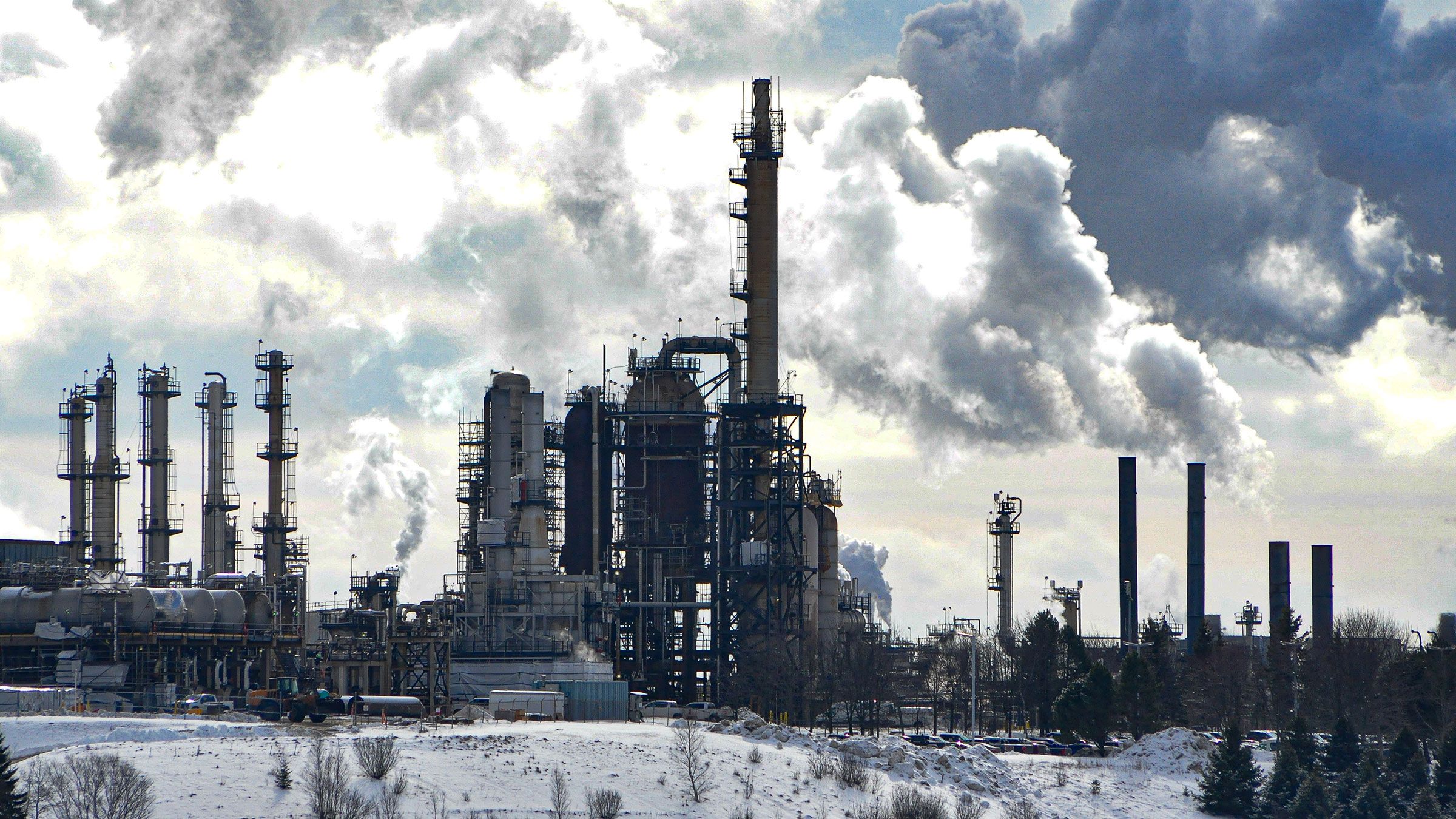
Irving Oil Ltd.'s Saint John refinery, Canada's largest, is navigating a complex global energy landscape marked by geopolitical tensions and shifting market dynamics. The refinery, a critical component of Atlantic Canada's economy and a significant employer, is grappling with the repercussions of the ongoing conflict in Ukraine and its impact on global oil markets. Historically, Irving Oil has been a major supplier of refined products to the U.S. Northeast, a role that has become increasingly vital as energy security concerns mount.
The conflict has led to a significant redirection of global oil flows, with Russian crude being shunned by many Western nations and finding new markets in Asia. This shift has tightened global supplies and driven up prices, affecting refineries like Irving Oil that rely on international crude imports. The company has had to adapt its sourcing strategies to ensure a continuous supply of crude, often at higher costs. Furthermore, the war has exacerbated existing supply chain issues and inflationary pressures, impacting the operational costs of the refinery.
Beyond immediate geopolitical concerns, Irving Oil is also confronting long-term challenges related to the energy transition. The global push towards decarbonization and renewable energy sources presents an existential question for traditional fossil fuel infrastructure. While the refinery continues to play a crucial role in meeting current energy demands, particularly for transportation fuels and heating oil in the region, it must also consider its future in a world aiming for net-zero emissions. This involves evaluating potential investments in lower-carbon technologies or diversifying its product portfolio.
The refinery's operations are not only critical for energy supply but also for regional employment and economic stability in New Brunswick. The facility supports thousands of direct and indirect jobs, making its long-term viability a significant concern for the provincial economy. Managing the balance between maintaining profitability in a volatile market, adapting to new environmental regulations, and ensuring energy security for its customers remains a primary focus for Irving Oil amid these multifaceted global and domestic pressures.
The company, known for its discreet corporate culture, faces the challenge of communicating its strategies and adaptations effectively to stakeholders while navigating these complex internal and external pressures. The interplay of global conflicts, market volatility, and the imperative for energy transition creates a unique set of circumstances for Irving Oil, mirroring broader trends within the international energy sector.
Found this story useful? Share it:
Sources (1)
Financial Post
"How the Iran war energy crisis is echoing across Canada"
April 9, 2026